
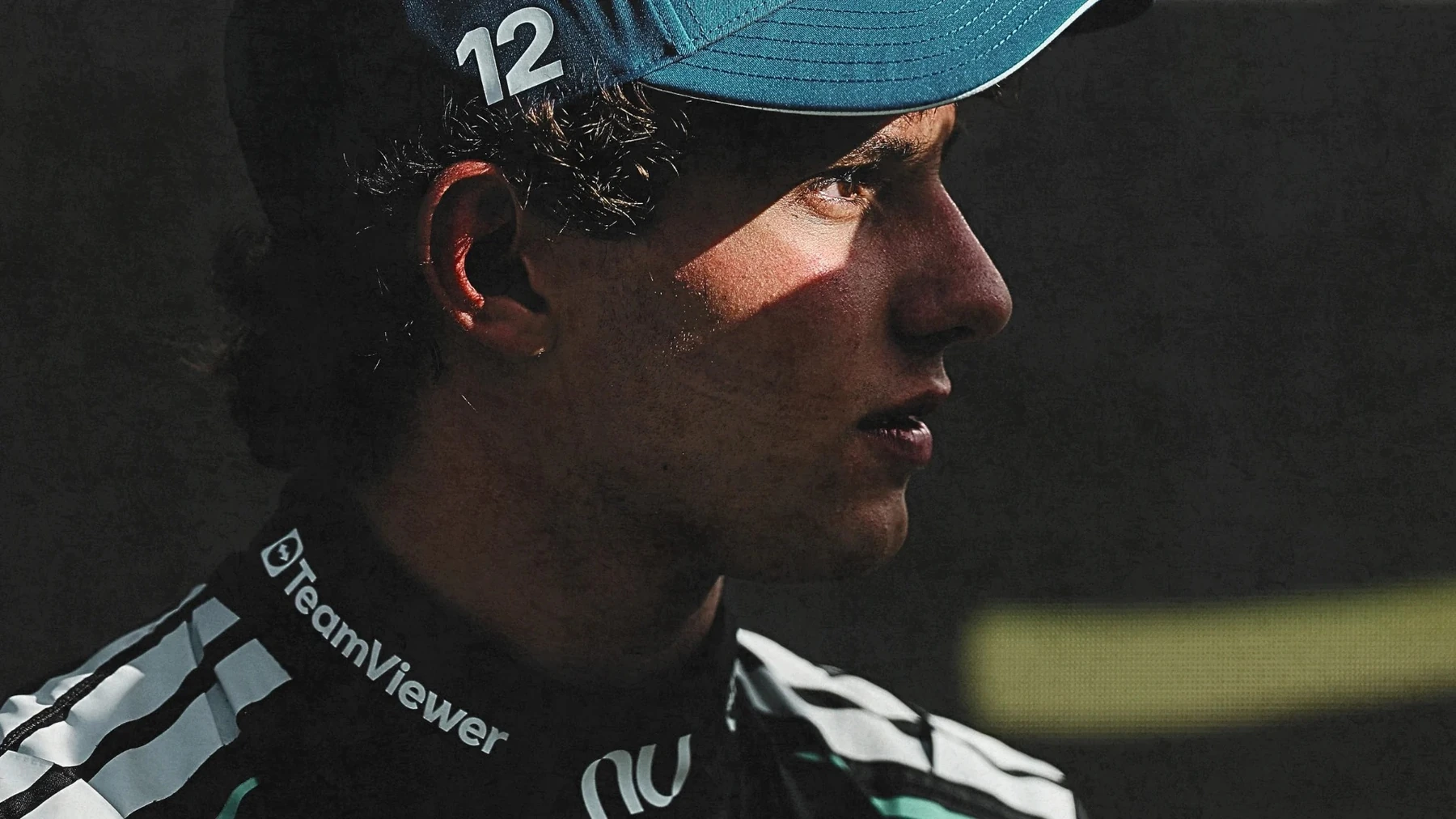
The Mercedes driver leads the standings by 59 points but will start his home race from a reduced grid position after a planned power-unit change.
The championship position is strong but not comfortable
Antonelli arrives at his home race with a 59-point lead over George Russell and Lewis Hamilton. He has six victories in his second Formula 1 season and became the youngest championship leader. The margin gives him room, but Mercedes have already lost points through reliability problems.
A large lead can change how risk is judged. Antonelli does not need to win every corner, yet protecting the advantage does not mean driving passively. The team must choose when a safe finish is valuable and when a chance to extend the lead deserves more attack.
Mercedes chose Monza for the engine change
Mercedes plan to fit additional power-unit components and accept a grid penalty. Toto Wolff explained that the circuit was selected through the team’s calculations. Monza’s long straights and overtaking opportunities can make recovery more realistic than at a track where passing is limited.
The decision is technical rather than ceremonial. Antonelli is Italian and Monza is his home race, but Mercedes are prioritising the championship and future reliability. A fresh unit may reduce the chance of a repeat of the technical failure that ended his Barcelona race.
| Season detail | Confirmed figure |
|---|---|
| Championship lead | 59 points |
| Wins in 2026 | 6 |
| Latest result | Second at Zandvoort |
| Monza factor | Planned power-unit grid penalty |
The start position changes the weekend plan
A penalty means qualifying pace may not translate into the expected grid place. Mercedes still need a clean Friday and Saturday because each position gained before the penalty can reduce the final loss. Long-run preparation becomes especially important when the race is likely to include more overtaking.
The opening laps will require restraint. Gaining several places is useful, but contact in the first chicane would remove the benefit of the new engine. Antonelli needs clear exits, strong straight-line speed and patience when two cars fight ahead.
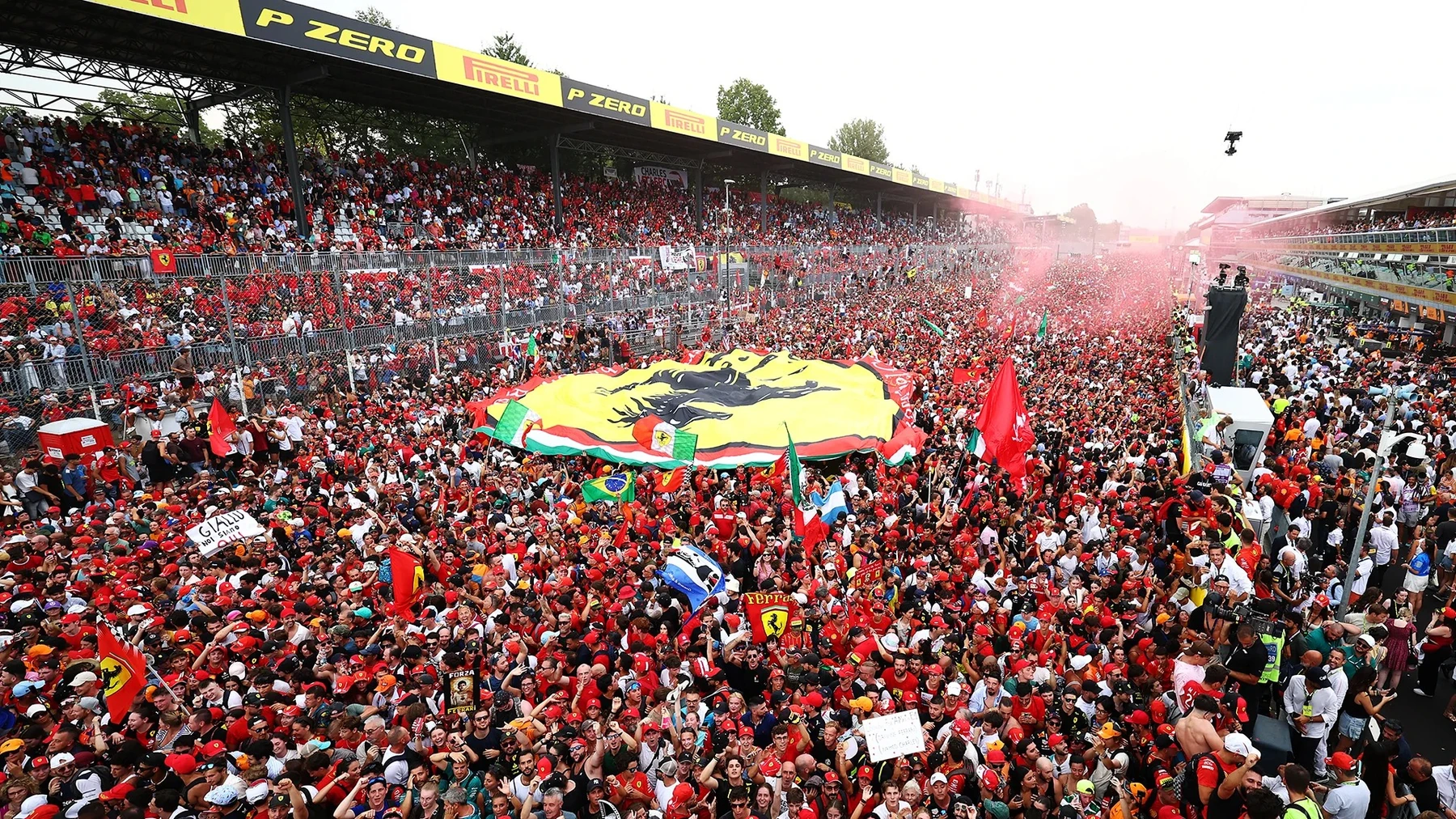
Zandvoort showed his ability to recover points
Antonelli finished second at Zandvoort after the summer break. The result expanded his lead and showed that he can collect a major score without winning. He also finished third in Hungary after a difficult Mercedes weekend.
Those races support a measured Monza approach. A podium from a reduced starting position could be a strong championship result. The target should respond to the race as it develops instead of being fixed around a home victory before the start.
Home support can help or distract
Antonelli has described a different mindset for Monza. The attention will be greater than at a normal round, and every session will carry extra noise. Keeping preparation familiar can stop that energy from affecting braking points and communication.
Mercedes can also reduce pressure by defining a simple objective for each session. Friday is for the car and tyres, Saturday for execution, and Sunday for recovery through the field. The championship is decided across the season, not by one popular result.
The penalty creates a clear test
Antonelli leads because he combined speed with six wins and enough strong finishes around his setbacks. Monza will test the second part of that formula. He must turn an imposed disadvantage into the best score available.
The facts are separate and clear: he leads by 59 points, finished second at Zandvoort and is expected to take a grid penalty for a planned engine change. The race has not happened yet, so no finishing position should be presented as known.
No Comments