
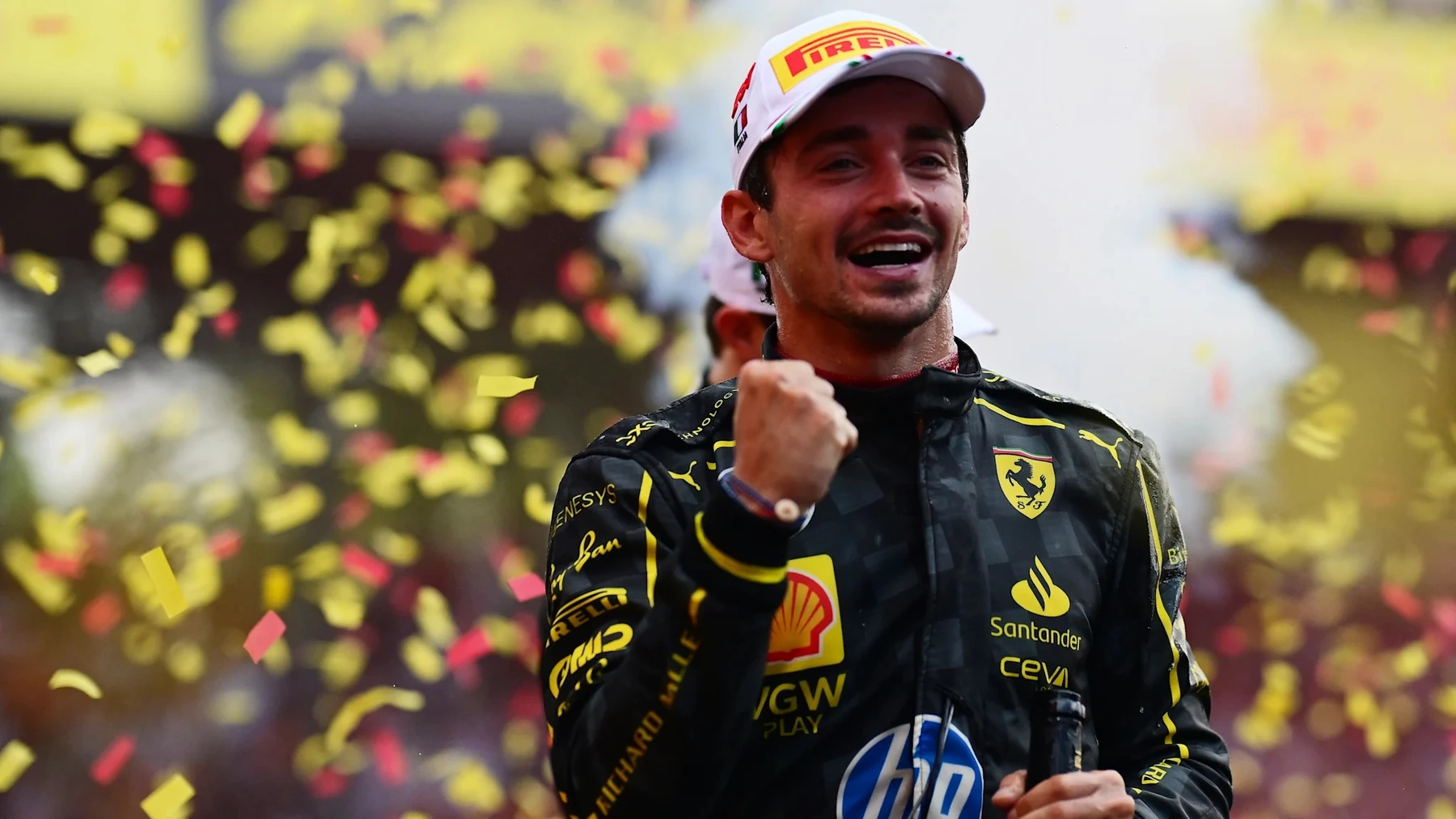
Monza’s long straights and heavy braking zones have produced races that changed how drivers were seen. Formula 1’s official selection ranges from Sebastian Vettel’s first victory in 2008 to Charles Leclerc’s first win for Ferrari in 2019 and McLaren taking the top two finishing positions in 2021.
Schumacher’s 2000 win carried more than points
Michael Schumacher won at Monza in 2000 and reached 41 career victories, drawing level with Ayrton Senna at the time. The result also came during Ferrari’s title pursuit. His emotion in the press conference showed how a statistical milestone, personal memory and the pressure of driving for Ferrari could arrive in the same moment.
The victory was not the championship itself, but it strengthened the campaign that later ended Ferrari’s long wait for a drivers’ title. Describing it as one completed Italian Grand Prix keeps the timeline clear. The race helped the season turn; it did not decide every remaining event on that afternoon.
Vettel changed his reputation in wet conditions
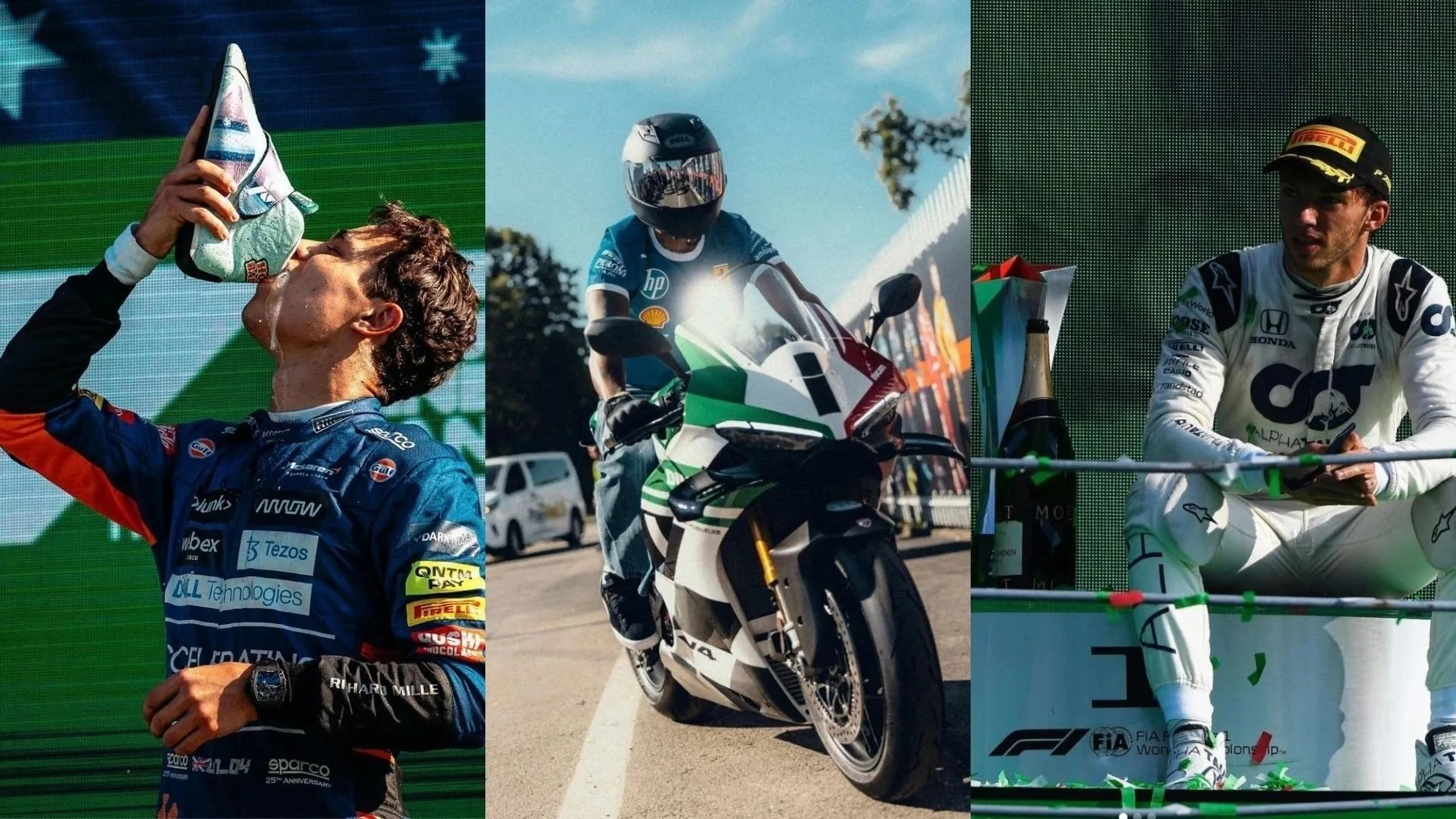
Sebastian Vettel started from pole for Toro Rosso in 2008 and converted the opportunity into his first Formula 1 win. Rain made the conditions difficult, yet the result was not a lottery created only by weather. Vettel controlled the race, managed the restart periods and delivered the pace needed to keep a smaller team at the front.
The victory made him the youngest Grand Prix winner at that point and gave Toro Rosso its first win. It also showed why a Monza result can alter a career quickly. A young driver moved from promise to proven winner in one weekend, while the team achieved a result that its normal position did not predict.
| Season | Moment |
|---|---|
| 2000 | Michael Schumacher earned his 41st win |
| 2008 | Sebastian Vettel took his first F1 victory |
| 2019 | Charles Leclerc won for Ferrari |
| 2020 | Pierre Gasly claimed his first victory |
| 2021 | Daniel Ricciardo led a McLaren one-two |
Leclerc’s first Ferrari win at Monza met the largest expectation
Charles Leclerc arrived in 2019 one week after winning at Spa, but Monza asked a different question. Ferrari supporters had waited for a home victory since 2010. Leclerc defended under sustained pressure from Mercedes and completed his first Italian Grand Prix win for the team.
The race became important because the context matched the performance. A Ferrari driver did not simply win another round; he won at the circuit where the team’s result receives the closest attention. The pressure did not replace the racing. Leclerc still needed to protect position through braking zones and avoid a mistake over the full distance.
Gasly turned an unusual race into a controlled finish
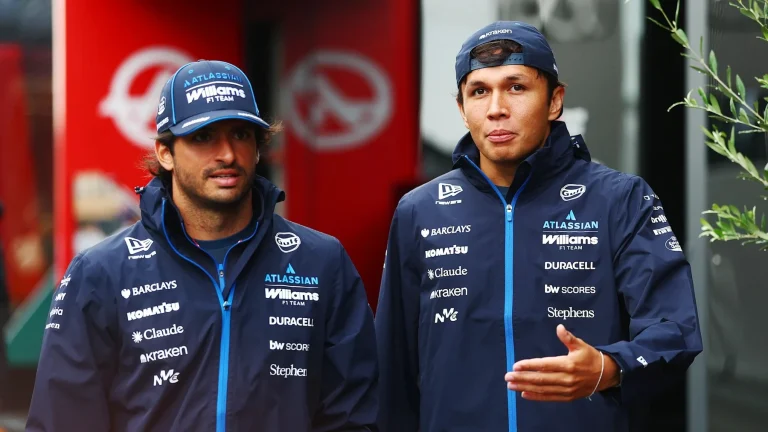
Pierre Gasly won in 2020 after a race shaped by a safety car, a red flag and penalties. The interruptions opened an opportunity, but he still had to hold Carlos Sainz behind in the closing laps. A surprise result requires a driver to recognise the changed race and execute once the expected leaders are no longer in control.
Gasly’s first victory also carried personal weight after a difficult period in his career. The strongest account does not need to claim the result was inevitable or purely fortunate. Circumstances created the opening, AlphaTauri placed him in position, and Gasly defended the lead until the finish.
The 2021 race combined contact with McLaren’s return
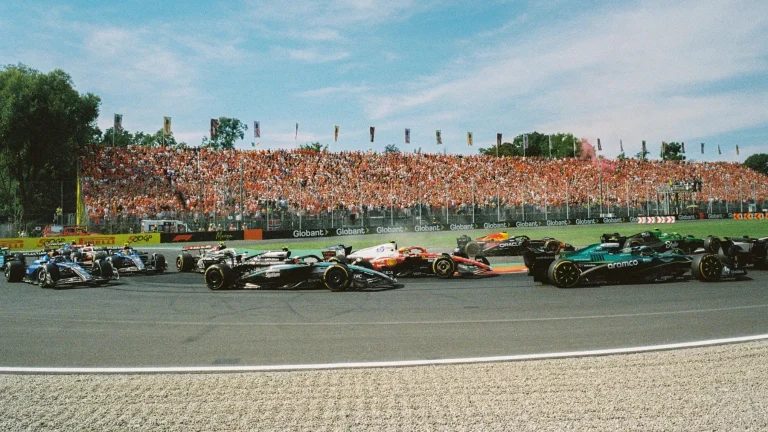
Lewis Hamilton and Max Verstappen collided at the first chicane and both retired. The image dominated the race, but another completed story unfolded ahead. Daniel Ricciardo led Lando Norris to a McLaren one-two, giving the team its first victory since 2012.
Ricciardo had taken the lead at the start and remained in position to benefit when the title rivals collided. McLaren still needed pace and clean execution to keep both cars ahead. The one-two was not created by contact alone. It was secured by a team that converted track position throughout the rest of the race.
Monza rewards confidence but punishes small errors
The common link between these moments is not one type of winner. Monza has rewarded a dominant champion, a young driver in a smaller team, a Ferrari favourite and a driver rebuilding his career. Long straights make speed visible, while the chicanes demand precise braking after the highest velocities of the lap.
That combination gives one mistake a large cost. A missed braking point can erase the advantage built across a straight. A clean exit can decide whether a rival receives a slipstream. The historic races remain memorable because the drivers handled those simple but severe demands when the surrounding pressure was at its highest.
No Comments