
Kimi Antonelli recovered to fifth place in the Azerbaijan Grand Prix after starting near the back following a Q1 exit. His result limited the damage from a difficult qualifying session and gave Mercedes a strong second score on the day George Russell won the race.
The opening laps were about survival and position
Starting in traffic left Antonelli exposed to congestion and debris before the field spread out.
He gained ground without forcing a narrow move that could have ended the recovery against the barriers.
The confirmed starting point for Kimi Antonelli’s Baku recovery is simple: the Mercedes driver climbed from the rear group to fifth place. Any assessment that begins from a different premise will confuse what has happened with what might happen next. The strongest conclusion is the narrow one supported by the source and the visible result. Later evidence can expand the picture, but it should not rewrite the confirmed fact merely because a more dramatic interpretation looks attractive.
A final check of Kimi Antonelli’s Baku recovery should separate the confirmed outcome from what still needs to be observed. The source establishes the event, while later evidence will show whether its wider effect lasts. This distinction keeps the conclusion precise and prevents one uncertain detail from altering facts that are already clear. It also leaves room for a later update without making the current account sound incomplete.
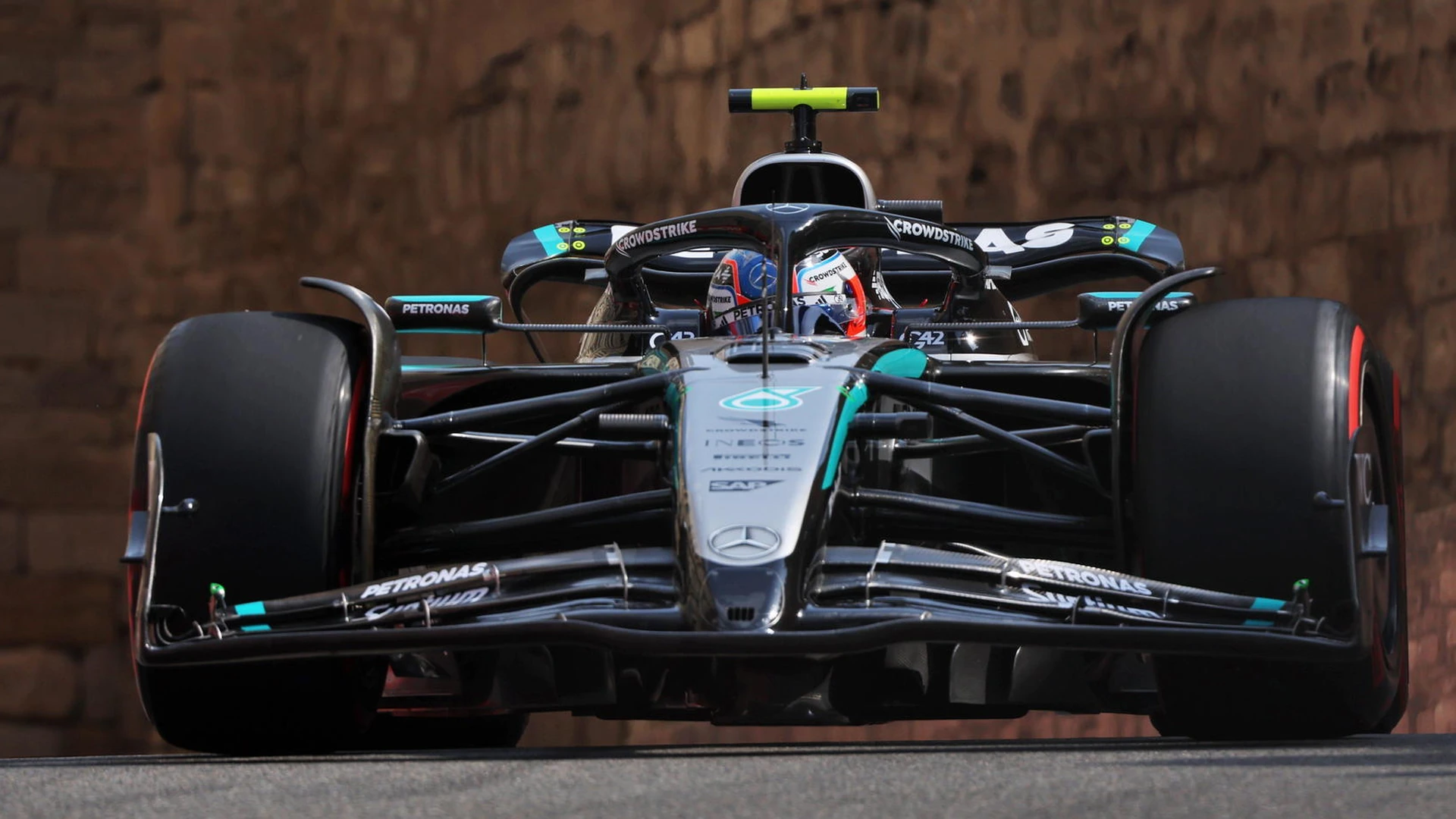
Tyre management created later opportunities
A driver moving through the field can lose the useful edge of the tyres by attacking every car at the first possible corner.
Antonelli kept enough grip to continue progressing after the early excitement had settled.
The main advantage connected to Kimi Antonelli’s Baku recovery is that patient tyre use allowed progress to continue beyond the opening laps. Its value appears in practical choices rather than in a broad promise. A useful advantage creates another workable option, preserves time for a response and remains understandable when pressure rises. If it can be seen in several comparable situations, it becomes part of a reliable pattern; if it appears once, it should remain a positive sign rather than a final verdict.
The Mercedes pace remained visible
Russell’s victory showed the potential of the car, while Antonelli demonstrated that the same platform could move forward from a poor starting position.
The comparison also makes the Q1 exit an execution problem to study rather than proof that the race setup was fundamentally wrong.
The central risk around Kimi Antonelli’s Baku recovery is that forcing every passing chance can damage the tyres or the car. That weakness matters before the decisive moment because it can narrow the available choices without an obvious warning. A rushed correction often creates a second problem and makes the original cause harder to identify. The safer review isolates the first point at which control was lost, checks what support was still available and changes only the part that failed.

Fifth place protects the wider campaign
The recovery did not match the value of fighting for the win, but it prevented one difficult qualifying session from becoming an empty weekend.
Championship pressure rewards that restraint because points saved on a bad Saturday can matter as much as maximum points on a perfect one.
The practical response for Kimi Antonelli’s Baku recovery is to divide the recovery into clean starts, stable stints and chosen overtaking zones. The order is important: confirm the starting condition, make the intended move and inspect its immediate effect before committing more resources. This process does not guarantee success, but it makes the result easier to explain and repeat. It also prevents frustration from turning one specific weakness into a complete change of direction.
The review should separate reliability from execution
A hydraulic problem reduced useful practice time before qualifying, yet the race pace was strong enough for a major recovery.
Mercedes can now examine preparation, tyre timing and the Q1 run without confusing those questions with the performance Antonelli produced in the race.
The clearest measure for Kimi Antonelli’s Baku recovery is positions gained without losing the balance needed for the final stint. One highlight cannot answer that question because it may depend on timing, a favourable matchup or an isolated mistake. Several comparable examples reveal which part remains dependable and which part weakens as the conditions change. A stable pattern supports the conclusion; a sharp decline identifies the phase that needs the next correction.
No Comments