
Charles Leclerc enters the Azerbaijan Grand Prix weekend with four Baku pole positions, the circuit record for qualifying starts from the front. His next challenge is to turn single-lap speed into a complete result across a race shaped by slipstream, tyre temperature and late braking.
The lap rewards confidence under braking
Leclerc can gain time by placing the car close to the wall and completing rotation before the long acceleration zones. Four pole positions show that Leclerc understands how to build confidence through Baku’s braking zones. The achievement concerns single-lap speed, while the heavier car and changing tyre temperature create a different task after the start. A strong finish would not require Leclerc to attack every lap at qualifying intensity. Protecting the tyres through the middle phase can preserve the braking confidence needed when the fuel falls and the final strategic fight begins.
The same commitment leaves little room for a lock-up when grip changes or a gust reaches the braking area. Ferrari must compare the undercut with the value of track position and a possible safety car. A fixed pit lap is risky at Baku because one interruption can change the cost of stopping within seconds.
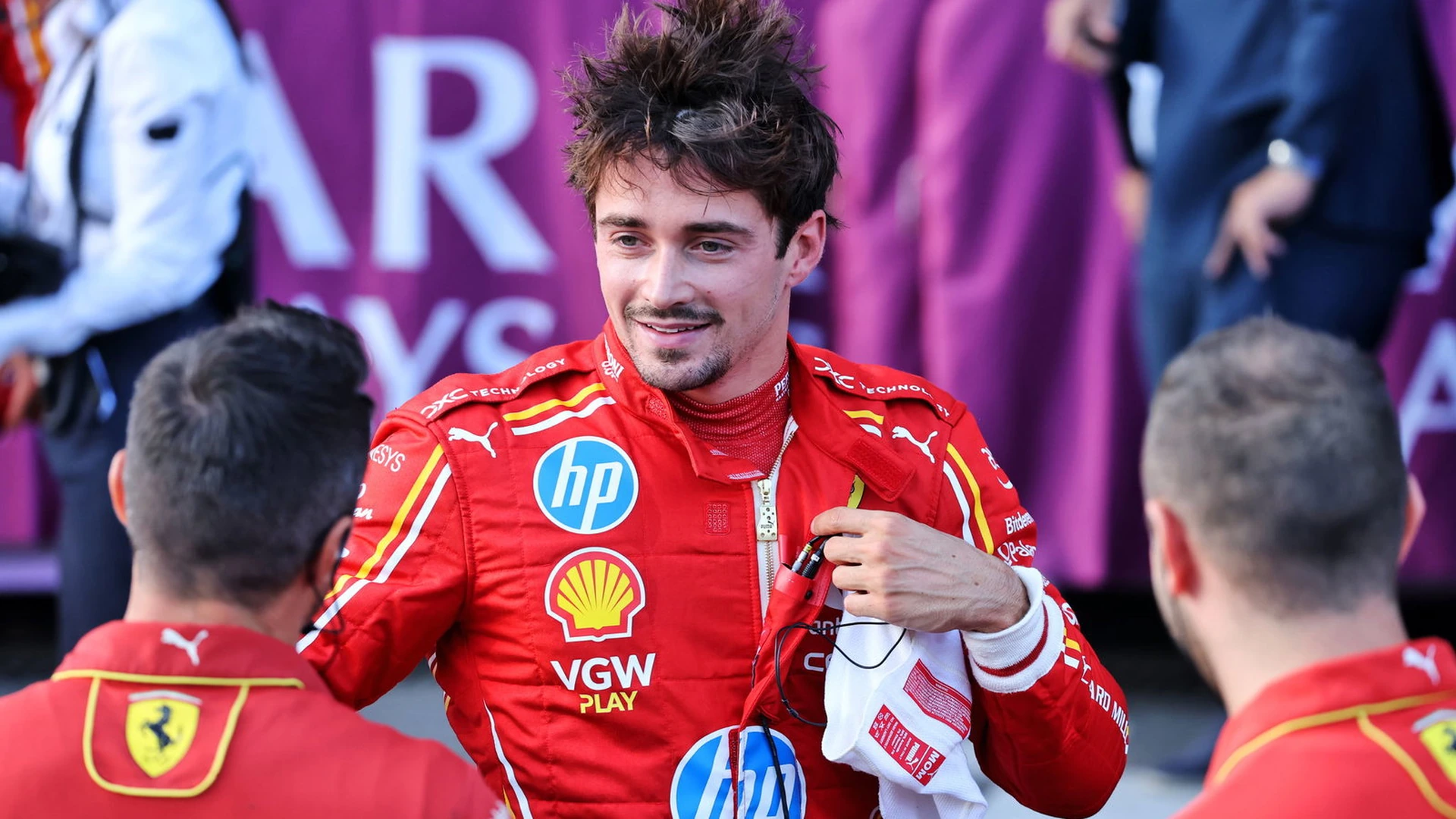
Qualifying position still carries special value
The run from pole to the first braking point is short, helping the leader protect the inside line at the start. Leclerc’s strongest weekend would connect the two disciplines. Another front-row start would confirm his qualifying reference, while a stable final stint would show that the same setup can protect tyres and braking confidence under race fuel.
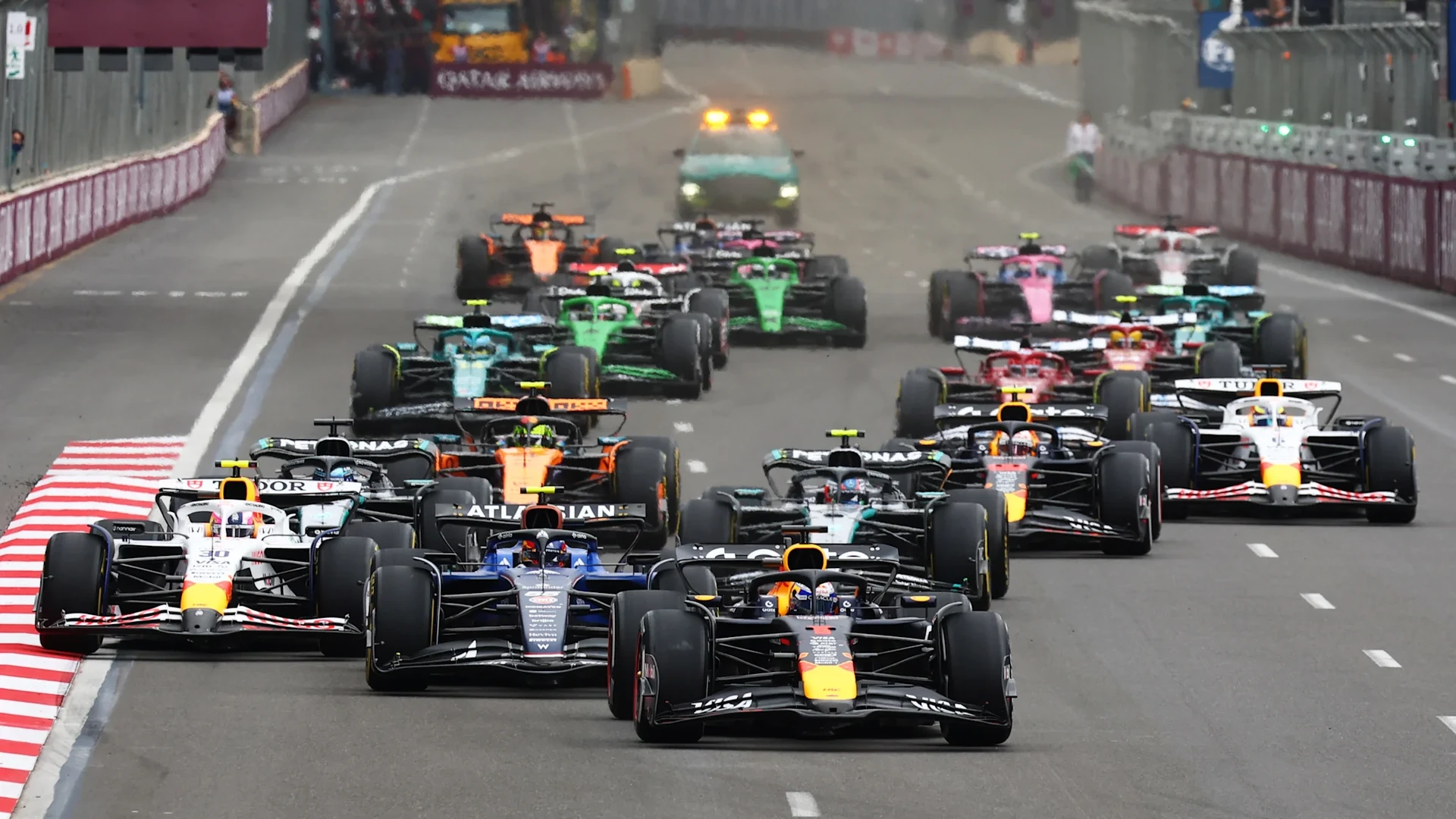
Baku’s long main straight later creates a strong slipstream, so first place does not remove the need for race pace. The short run to the first braking point protects some of the value of pole. Later laps are less secure because the long main straight gives a following car a strong slipstream and creates another overtaking opportunity.
Ferrari need predictable balance on both low and high fuel
A car that feels precise on low fuel must remain predictable when extra weight changes braking distance and tyre load. Ferrari need rear stability when fuel weight increases the load under braking. If the car moves unexpectedly on entry, Leclerc cannot use the late, committed turn that helps him extract time in qualifying.
If rear confidence disappears, the driver cannot use the same corner entry that produced the qualifying advantage. Wind deserves attention because it can alter the car’s approach to the wall from one lap to the next. Leaving a small margin early in the weekend may produce a cleaner qualifying commitment once the direction and grip become predictable.
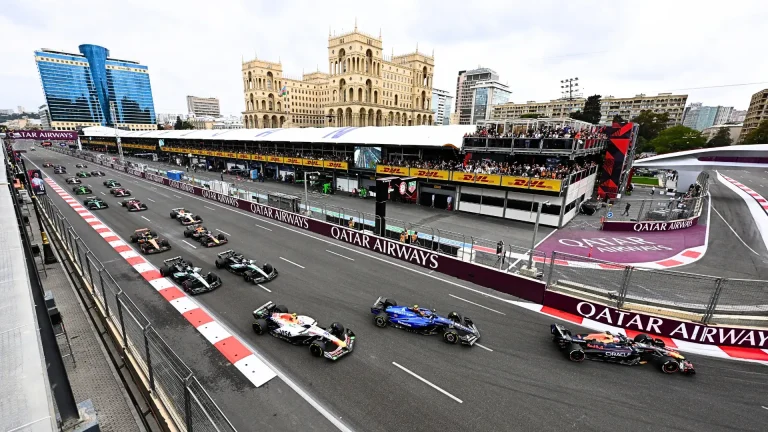
Strategy can expose a fast car to traffic
An early stop may create clean air, but it can also place Leclerc behind cars that are difficult to pass through the narrow middle sector. The teammate’s long-run data can help Ferrari separate driver confidence from car balance. Similar tyre loss or braking behaviour across both cars provides stronger evidence than one spectacular sector from a low-fuel lap.
The pit wall needs to compare tyre loss with track position rather than following one fixed lap. Tyre preparation for the grid lap is another delicate point. Baku’s long circuit can leave only one clear attempt, so the out-lap must create temperature without using the grip needed for the final braking zones.
The weekend offers a clear measure
Another strong qualifying result would confirm Leclerc’s connection with Baku, while the race will test whether Ferrari protects that advantage. Race strategy can trade clean air for traffic. An early stop may protect the tyre from further loss, but returning behind a slower car can remove the advantage through the narrow middle sector where passing is difficult.
A complete performance requires pace, tyre control and calm decisions during any safety-car period. The record of four poles is already secure, but the weekend’s real objective is broader. Pace, tyre control, pit timing and calm decisions during any neutralisation must all support the starting position.
No Comments