
Five Formula One writers selected ideal teams from different periods of the championship. Each choice included two drivers and one team principal. The selections produced several famous names, but the five complete teams were not identical.
Ayrton Senna appeared in three driver pairings, more than any other driver. The other choices covered champions, race winners and drivers from several eras. Every writer also chose a different leader for the team.
Schumacher and Senna form the first pairing
Lawrence Barretto selected Michael Schumacher and Ayrton Senna as his two drivers. He chose Frank Williams to lead the team. The pairing combines two drivers who won championships in different periods. Schumacher won seven world titles and helped build successful technical groups around him. His work included detailed physical preparation and extensive testing. Those habits supported long periods of success with Benetton and Ferrari.
Senna brought exceptional qualifying speed and three world championships. His strongest Formula One seasons came before Schumacher became a regular title contender. They never completed a full championship as direct rivals in equal periods. Frank Williams led his team through repeated changes in drivers and technical partners. Williams won constructors’ titles across several eras. His selection adds an experienced manager to two demanding driver personalities.
Senna and Andretti offer different experience
Chris Medland also selected Senna, but paired him with Mario Andretti. Niki Lauda was his choice as team principal. This team combines Formula One success with experience from several racing categories. Andretti won the 1978 Formula One championship and also achieved major results in American racing. His career included victories in different cars and competition formats.
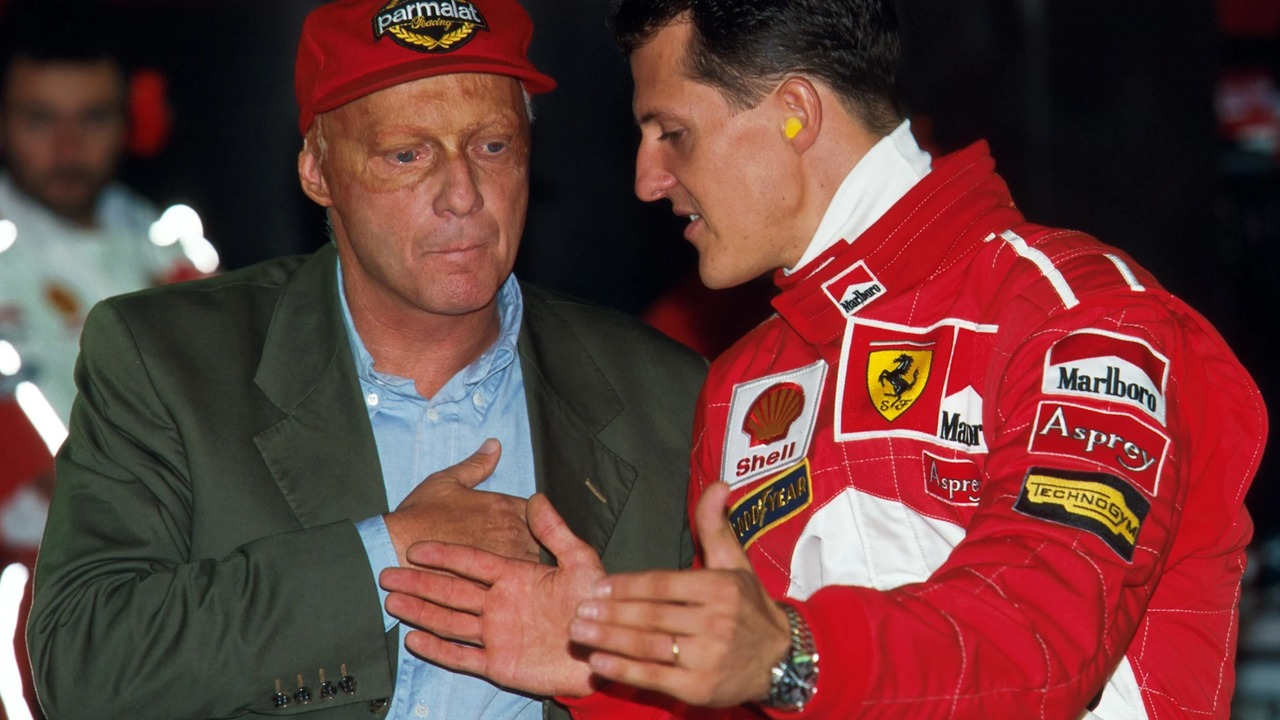
That range explains his place beside a specialist with Senna’s speed.
Lauda won three drivers’ championships before taking senior roles away from the cockpit. He later contributed to Mercedes during its championship period. His direct style would provide clear authority inside the team. The selection values adaptability as well as raw Formula One results. Andretti changed machinery throughout his career, while Senna produced outstanding qualifying laps. Lauda adds experience as both a driver and senior team figure.
Villeneuve and Prost provide contrasting skills
Mark Hughes selected Gilles Villeneuve and Alain Prost. Colin Chapman completed his team as the leader. None of these names appeared in the other four complete combinations. Villeneuve was known for speed, commitment and control in difficult situations. Prost used careful race management and detailed technical judgement. Their different approaches could provide broad feedback during car development.
Prost won four championships and worked with several leading teams. Villeneuve won six Grands Prix before his career ended in 1982. Their careers overlapped briefly, but they never became regular team-mates. Chapman founded Lotus and combined management with technical design. His cars introduced important ideas during several Formula One periods. The choice therefore gives the team a leader closely connected to engineering decisions.
Antonelli represents the current Formula One field
David Tremayne selected Kimi Antonelli and Carlos Sainz. Andrea Stella was his choice as team principal. It is the only complete team built entirely from active Formula One figures in 2026. Antonelli leads the current championship after several victories with Mercedes. His selection reflects completed speed and further development ahead.
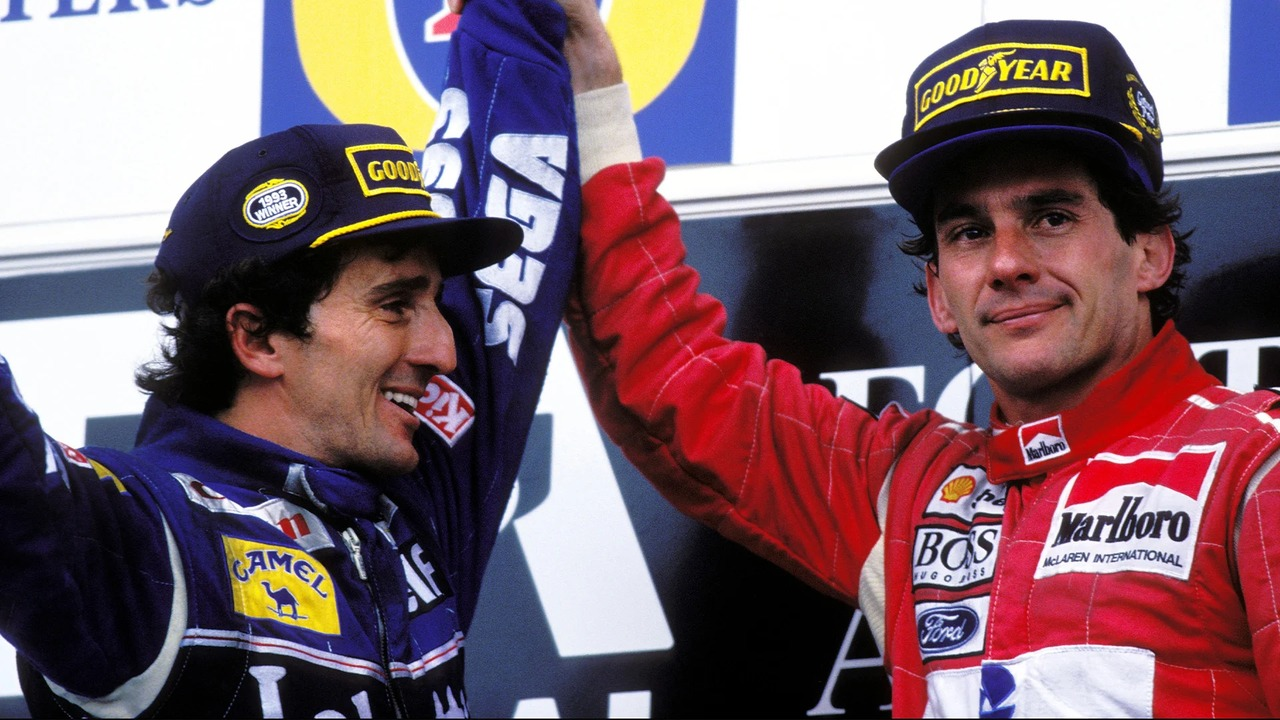
Sainz adds experience from different teams and several regulation periods.
Sainz has won Grands Prix and provided detailed technical feedback throughout his career. He has worked beside several highly rated team-mates. That record offers a stable reference next to a younger championship leader. Stella has managed McLaren‘s return to regular front-running form. His work includes technical organisation and calm handling of two competitive drivers. The combination gives this team current knowledge of Formula One operations.
Button joins Senna in the final team
Mike Seymour selected Senna and Jenson Button as his drivers. Ross Brawn completed the group as team principal. Senna’s third appearance confirmed his popularity across the five selections. Button won the 2009 championship with Brawn GP. He later raced beside Lewis Hamilton and Fernando Alonso at McLaren. Those seasons showed his ability to work inside teams containing other world champions.
| Selection | Driver one | Driver two | Team principal |
|---|---|---|---|
| Lawrence Barretto | Michael Schumacher | Ayrton Senna | Frank Williams |
| Chris Medland | Ayrton Senna | Mario Andretti | Niki Lauda |
| Mark Hughes | Gilles Villeneuve | Alain Prost | Colin Chapman |
| David Tremayne | Kimi Antonelli | Carlos Sainz | Andrea Stella |
| Mike Seymour | Ayrton Senna | Jenson Button | Ross Brawn |
Brawn held important technical or leadership roles at Benetton, Ferrari, Honda and Mercedes. His own team won both championships in 2009. That record links directly with Button’s strongest Formula One season. The five selections are personal choices rather than an official ranking. They show how different qualities influence team construction. Speed, feedback, adaptability and leadership all appear repeatedly, even when the final names change.
No Comments