
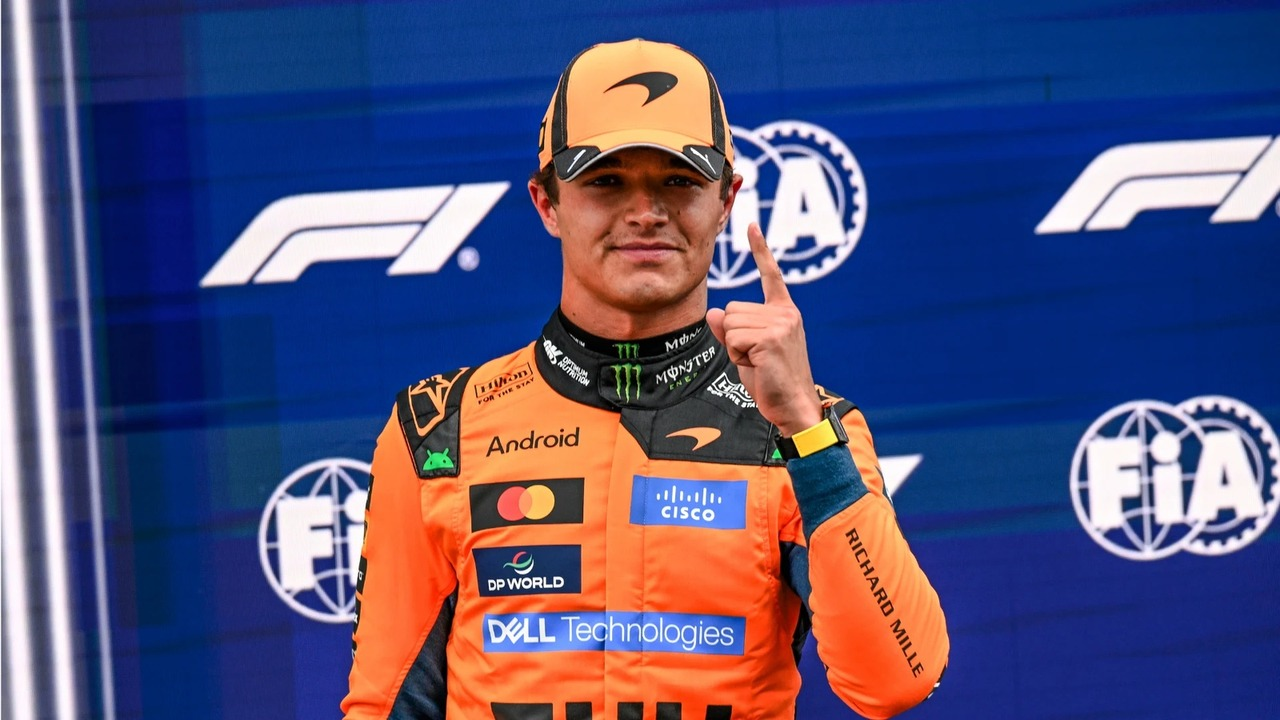
Norris has raced for McLaren since his Formula 1 debut in 2019 and won the 2025 drivers’ title with the team. That shared history gives the long agreement a clear sporting context.
McLaren have secured continuity at the centre of the project
Norris joined McLaren’s Formula 1 race team in 2019 and has developed with the organisation through several car generations. Keeping him for another long period gives the team a stable driver reference while engineers continue to change the car. The announcement is about a contract extension, not a new race result. No future championship position should be attached to the deal before those races take place.
The agreement also reduces the chance that a driver-market story will interrupt McLaren’s season. Questions about an expiring contract can influence every press conference and create speculation around other teams. With the duration now public, Norris and McLaren can direct those conversations toward the car and the races. Contract details beyond the announced end point remain private and should not be invented.
The new agreement follows a championship season
Norris became the 2025 World Champion, which gives the extension a different context from his earlier McLaren contracts. The team is retaining a driver who has already completed the final step in the standings. That achievement remains separate from the length of the new agreement. The contract protects the working relationship, while performance in each coming season will still depend on the car, rivals and reliability.
The title season gives both sides a common reference for pressure. They have worked through difficult qualifying sessions, changing weather and late championship decisions together. That experience can improve how they prepare for another close campaign. It does not mean the same solution will work every year, because rivals and technical rules continue to change.
A long contract supports development planning
Formula 1 teams plan upgrades months before they reach the circuit. A driver who knows he will be part of that process can provide feedback across more than one rules cycle. McLaren can compare simulator work, track data and race debriefs without preparing for an immediate change in its lead driver.
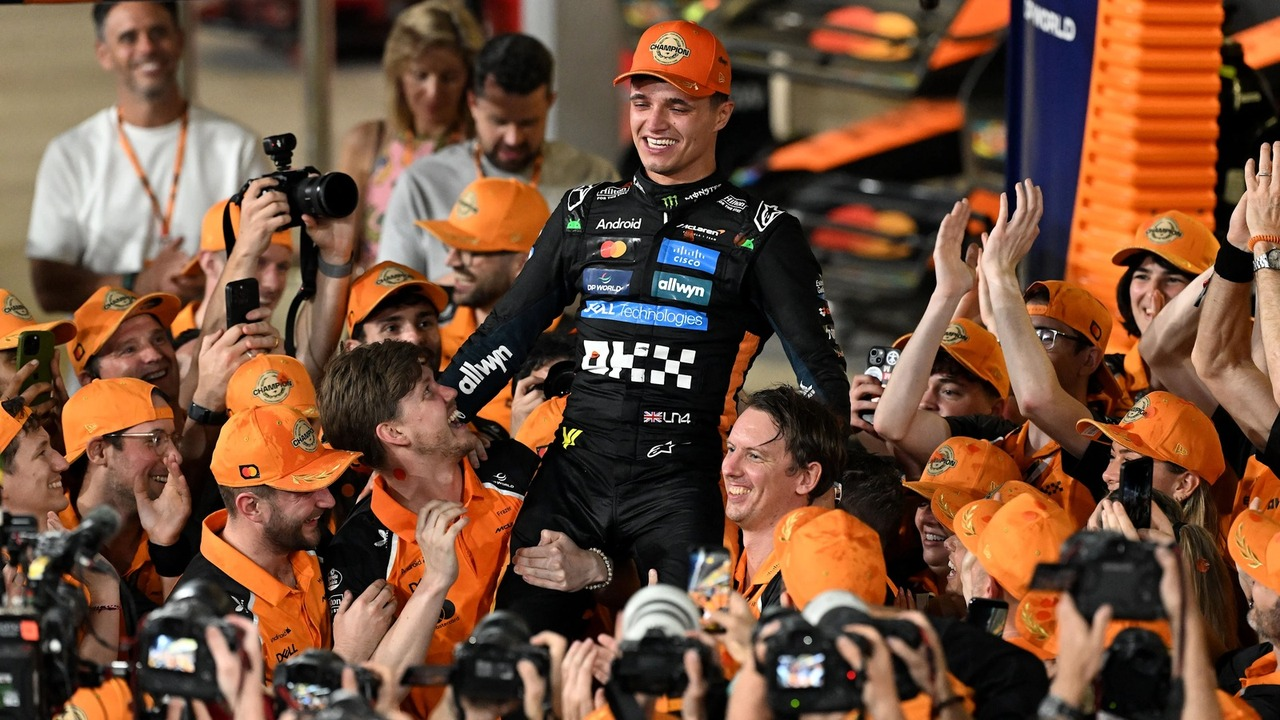
This does not guarantee that every design decision will succeed. It gives the organisation more time to evaluate a direction and correct it when the data disagrees.
Continuity also helps the engineers distinguish a new problem from a familiar characteristic. If Norris reports a balance change, the team can compare it with years of simulator and circuit data. That history shortens the first stage of diagnosis. The final answer still depends on measurements from the current car rather than on memory alone.
Norris has built a clear record with McLaren
The driver scored his first Grand Prix victory with the team and later added the results that led to his 2025 title. Those milestones show why the relationship has become central to McLaren’s public identity. They also explain why a contract announcement attracts attention even when it contains no details about a particular weekend. Past wins describe what has already happened; they do not promise a repeat at the next circuit.
McLaren’s driver plan must continue to serve the complete team. Engineers share information across both cars, while each driver has an individual setup and race situation. Norris’s extension secures one part of that structure. The team still needs clear responsibilities, reliable operations and equal attention to any problem that can cost constructors’ points.
The extension does not remove the daily competitive pressure
Norris will still need to qualify well, manage tyres and convert opportunities when the field is close. A secure contract can change the horizon, but it cannot decide a pit-stop call or a battle on track. McLaren’s second car will also provide a separate comparison at every round. The team must keep developing both sides of the garage instead of treating one driver agreement as a substitute for race preparation.
McLaren can now plan around a familiar feedback style
Drivers describe balance in different ways and build different relationships with engineers. Long-term work lets a team interpret that feedback with more context. A comment about front grip, tyre warm-up or braking stability can be compared with earlier data from the same driver. This is useful during development, although it still has to be tested on track.
The confirmed point is the duration of the commitment
McLaren have announced that Norris will stay until at least the end of 2030.
No Comments