
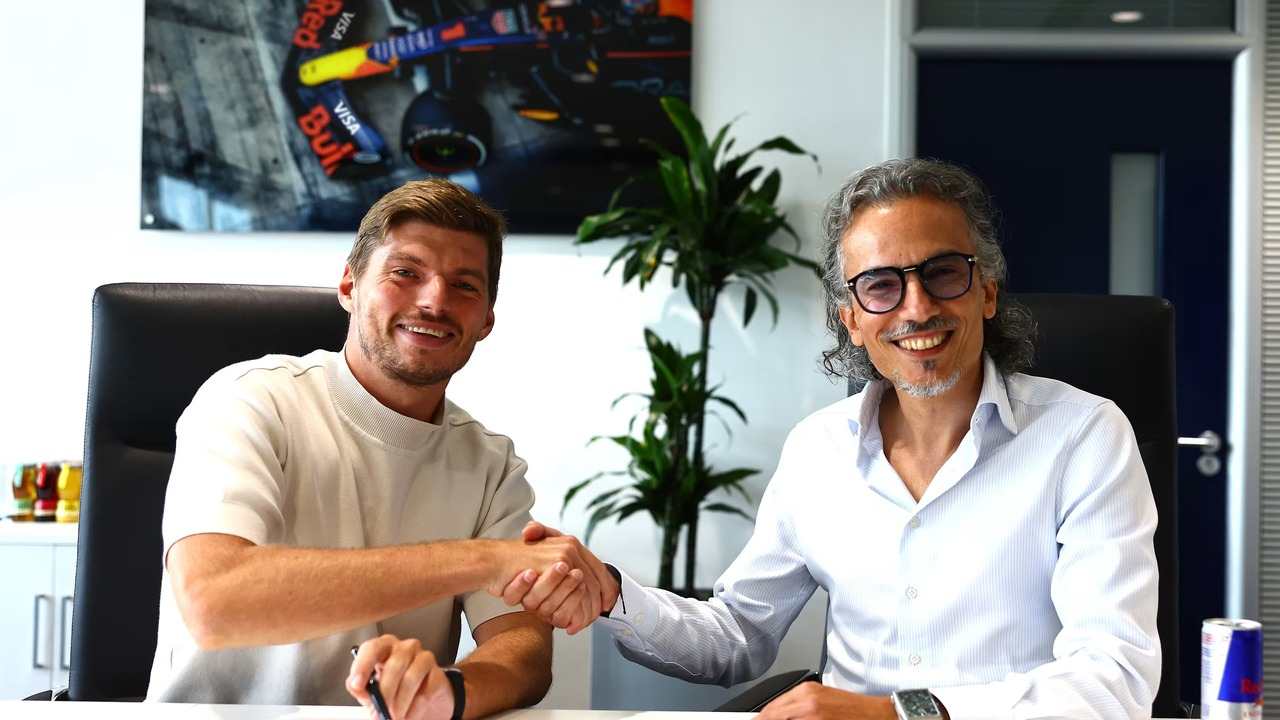
Max Verstappen has extended his Red Bull contract through the 2030 Formula One season. The agreement adds two years to the deal that previously ended after 2028. Red Bull announced the extension before the Dutch Grand Prix at Zandvoort.
Verstappen has raced for Red Bull since the 2016 Spanish Grand Prix. He has earned 71 victories and four world titles with the team. The new contract keeps that partnership together through another major technical cycle.
Red Bull and Verstappen extend a ten-year partnership
Verstappen joined Red Bull‘s senior team during the 2016 season. He won his first race for the team on his debut weekend. The victory made him Formula One‘s youngest race winner at 18. The driver later won four consecutive championships between 2021 and 2024. Those titles followed several seasons spent building experience beside stronger Mercedes cars. Red Bull then produced the leading package for the championship run.
His previous agreement covered every season through the end of 2028. Recent performance questions created discussion about possible exit clauses. The new announcement removes that uncertainty for two additional seasons. Red Bull now has a confirmed lead driver during long-term car development. Verstappen also receives a stable base for the next four campaigns. Neither side has left the decision dependent on one difficult season.
The 2026 season explains the timing of the decision
Red Bull has started the 2026 season behind the leading teams. Verstappen has recorded four podium finishes without a Grand Prix victory. Reliability problems also affected several races before the summer break. The team sits outside the championship lead under the new technical regulations.
Its current position differs sharply from the dominant 2022 and 2023 seasons. Verstappen still chose a longer agreement during that difficult period.
Laurent Mekies has led Red Bull since July 2025. His group now works with a driver whose future remains fixed through 2030. That detail matters during decisions about staff, upgrades, and future car concepts. The extension does not change the current points table. It gives Red Bull time to improve without another driver negotiation. Track results remain the only evidence of whether the recovery succeeds.
| Detail | Value |
|---|---|
| Red Bull debut | 2016 Spanish Grand Prix |
| Race victories for Red Bull | 71 |
| World titles | 4 |
| Contract valid through | 2030 season |
Red Bull announces the agreement before the Zandvoort race
The Dutch Grand Prix starts with practice on Friday, 21 August. Zandvoort also hosts a Sprint during the 2026 weekend. Teams receive one practice session before Sprint Qualifying begins. Verstappen arrives at his home race without a victory this season. He has previously won at Zandvoort before large Dutch crowds. The circuit’s narrow layout places strong value on qualifying position.
Red Bull still faces the same setup and reliability questions this weekend. A contract announcement provides no extra lap time or tyre grip. The drivers and engineers require a clean Friday session. The home event gives Verstappen an immediate competitive task after the announcement. His future now extends through 2030, while the next result arrives within days. Those timelines remain separate inside the team’s work.
The contract affects future decisions about Red Bull drivers. Several leading teams had watched Verstappen’s contract position during recent months.
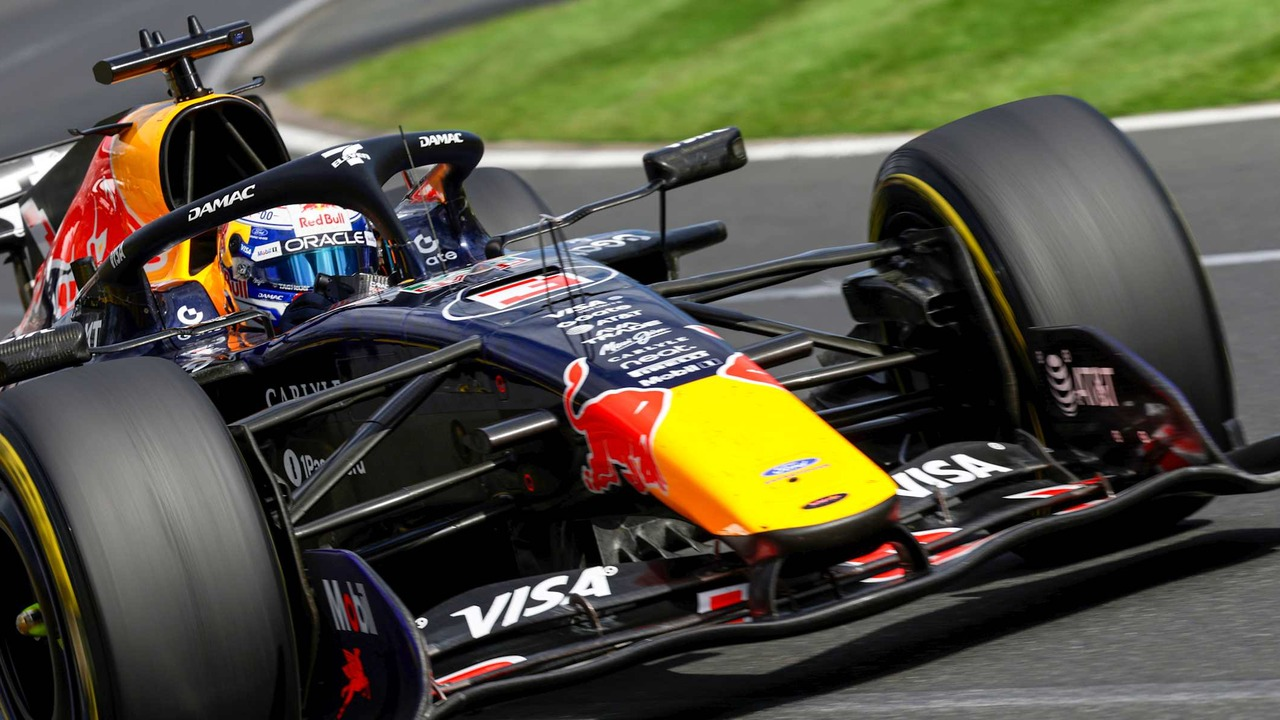
A fixed Red Bull deal removes one major option from future negotiations. Other teams now plan around drivers who remain available. Red Bull also avoids replacing its most successful Formula One driver. Verstappen understands the factory, engineering group, and race operation. That knowledge reduces disruption during technical development.
The agreement takes Verstappen beyond his 32nd birthday in September 2030. It does not state what happens after that season. Both sides have defined the period that matters now. Red Bull has secured four additional campaigns with its lead driver. Verstappen has chosen continuity during a demanding year. Their next objective is improving the car that starts the Dutch Grand Prix.
Verstappen’s results provide Red Bull with long-term continuity
Verstappen’s 71 victories cover several different Red Bull car generations. His feedback therefore includes successful and difficult technical periods. Engineers retain that reference while developing later specifications. Four titles also give the team a measured competitive standard. Past trophies do not improve the current car. They show which working details supported earlier championship campaigns.
The 2030 end date covers five seasons including the current campaign. Each season still requires a separate entry and competitive car. The contract only confirms who Red Bull plans to place inside one seat. That distinction keeps the announcement in proportion. Red Bull has settled an important staffing decision. Its performance work continues at Zandvoort under the same sporting pressure.
No Comments