
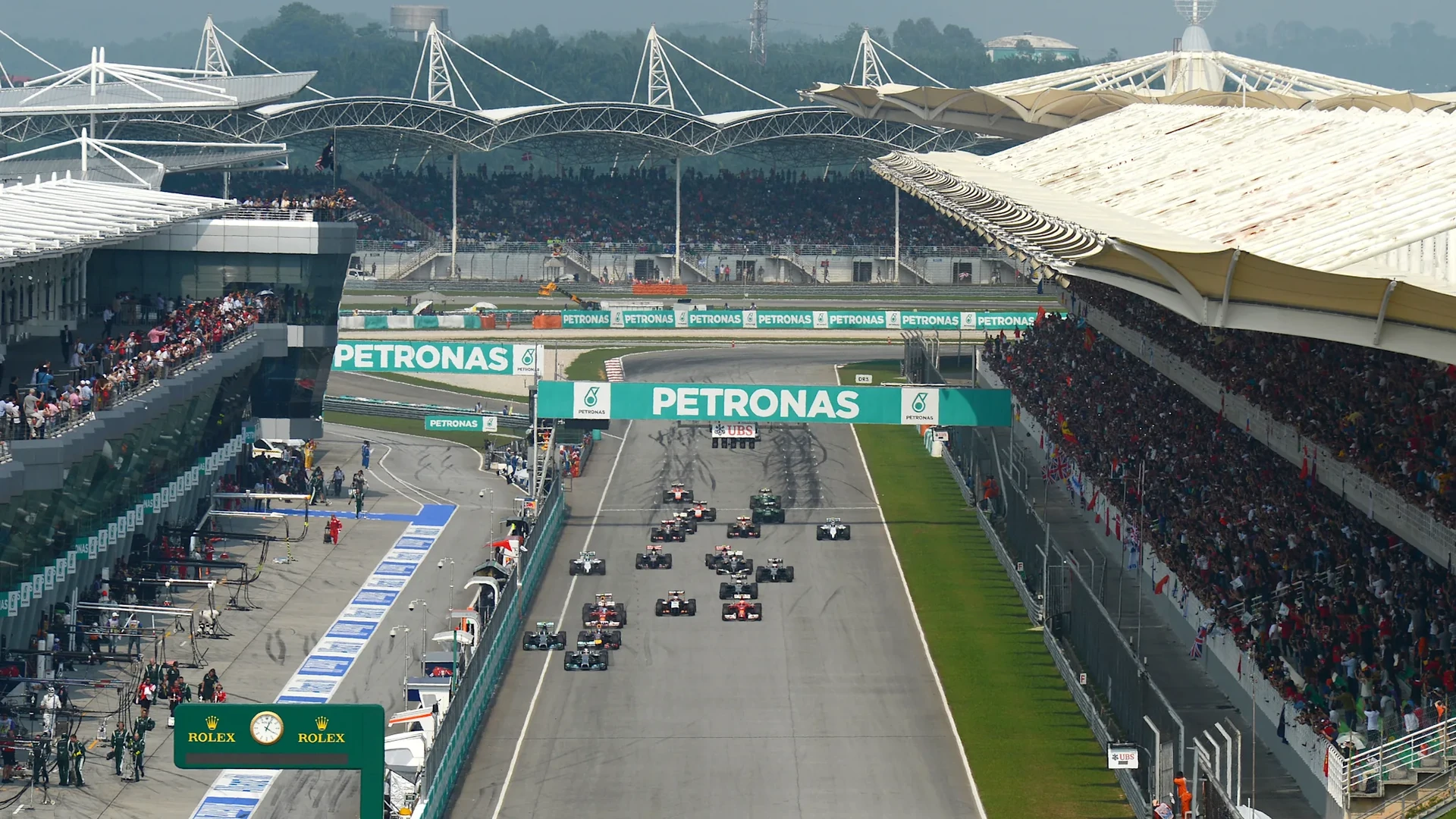
Formula 1 has returned to Sepang for the relocated Bahrain Grand Prix, nine years after the Malaysian circuit last hosted a championship race. Ten current drivers have competed there before, including former winners Fernando Alonso, Lewis Hamilton and Max Verstappen, but old experience is only a starting point. Different cars, tyres and procedures mean the weekend will reward drivers who recognise the circuit while quickly discarding references that no longer match the machinery.
Familiar corner names do not create a current setup
Sepang still combines two long straights with linked medium- and high-speed corners, heavy braking and elevation changes. A driver who remembers the sight lines can reach a useful rhythm sooner, particularly through the opening sequence and the technical middle sector. The braking point and minimum speed from an earlier Formula 1 generation, however, cannot simply be copied into a modern car with different downforce and tyre behaviour.
That makes first practice an exercise in controlled recalibration. Experienced drivers can predict where the circuit will load the outside tyres, while newcomers can approach the same sections without defending an outdated habit. The quickest adaptation will come from treating historical knowledge as a map, then allowing current data to decide the exact line, ride height and energy management required.

Alonso brings three victories from three different eras
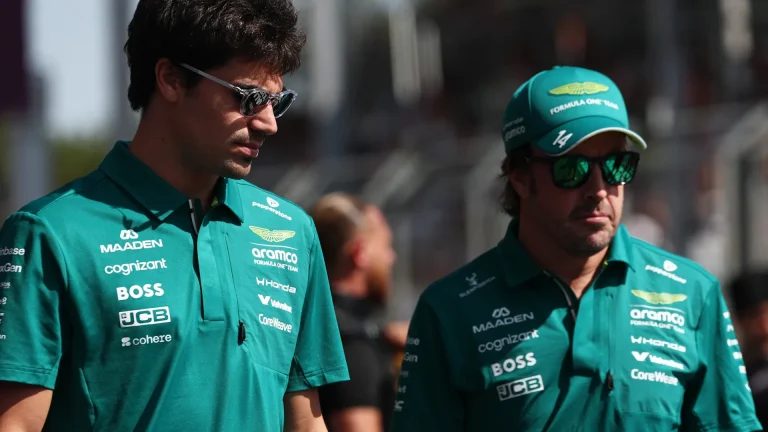
Alonso won at Sepang in 2005, 2007 and 2012, each time with a different team. The spread demonstrates how well he has read changing grip and race conditions at the circuit. It does not guarantee Aston Martin a competitive result in 2026, especially while the team sits at the bottom of the championship, but it gives the engineers a driver who can distinguish the character of the track from the limitations of the current car.
His most useful contribution may be in the details: where crosswind changes the entry, which kerb destabilises traction and when a dry line begins to disappear in rain. Lance Stroll can compare that description with his own experience and the simulator programme. The pair’s newly confirmed 2027 continuity makes this weekend another development reference rather than a standalone visit.
| Sepang factor | Why it matters in the current Formula 1 weekend |
|---|---|
| Previous F1 race | 2017, nine years before the return |
| Current drivers with prior starts | Ten |
| Active former winners | Fernando Alonso, Lewis Hamilton and Max Verstappen |
| Strategic pressure | Heat, degradation and a realistic multi-stop race |
| Weather variable | Tropical rain can affect different sectors at different times |
Hamilton and Verstappen know how victory at Sepang feels
Hamilton won the 2014 Malaysian Grand Prix, while Verstappen took the final Formula 1 race at the circuit in 2017. Their memories cover very different car concepts, yet both understand the concentration required when heat, tyre wear and changing weather overlap. A fast qualifying lap is only one part of the challenge; the race can shift when a driver overheats the tyres during an early attack or reacts too slowly to a local shower.
That experience is valuable to Ferrari and Red Bull because it supports decision-making under uncertainty. The driver can report not only that grip is falling but where the decline begins and whether changing line can protect the tyre. Teams still need current telemetry, but a precise description shortens the route from symptom to setup response.
Heat and humidity turn tyre management into a physical task
Sepang’s climate raises cockpit temperature and places sustained strain on the driver. Hydration and cooling preparation influence consistency late in a stint, when braking precision is already being challenged by tyre degradation. A small mistake at that stage can cost more than the time lost at one corner because it adds sliding and raises surface temperature for the next sequence.
Kimi Antonelli has suggested that the conditions could support two or even three pit stops. The exact strategy will depend on compounds, safety cars and weather, but the observation captures the circuit’s main demand: teams cannot assume that a one-stop pattern will survive simply because track position is valuable. Preserving flexibility may be worth more than committing early to the mathematically shortest route.
Rain can divide the circuit rather than cover it evenly
Tropical rain at Sepang can arrive quickly and affect one sector before another. That makes the crossover decision difficult because a driver may report standing water while the pit wall sees a dry final sector. The long lap increases the cost of discovering the wrong tyre at the farthest point from the pits. Communication must therefore include location and intensity, not only the statement that rain has begun.
A team with two cars can use them as separate sensors, but only if the calls remain concise. One driver may test slick grip while the other protects the option to stop. Previous winners know that patience can be as important as bravery when the circuit changes by the minute. The modern challenge is to combine that instinct with radar and surface-temperature data without allowing either source to dominate after conditions have already moved.


No Comments