
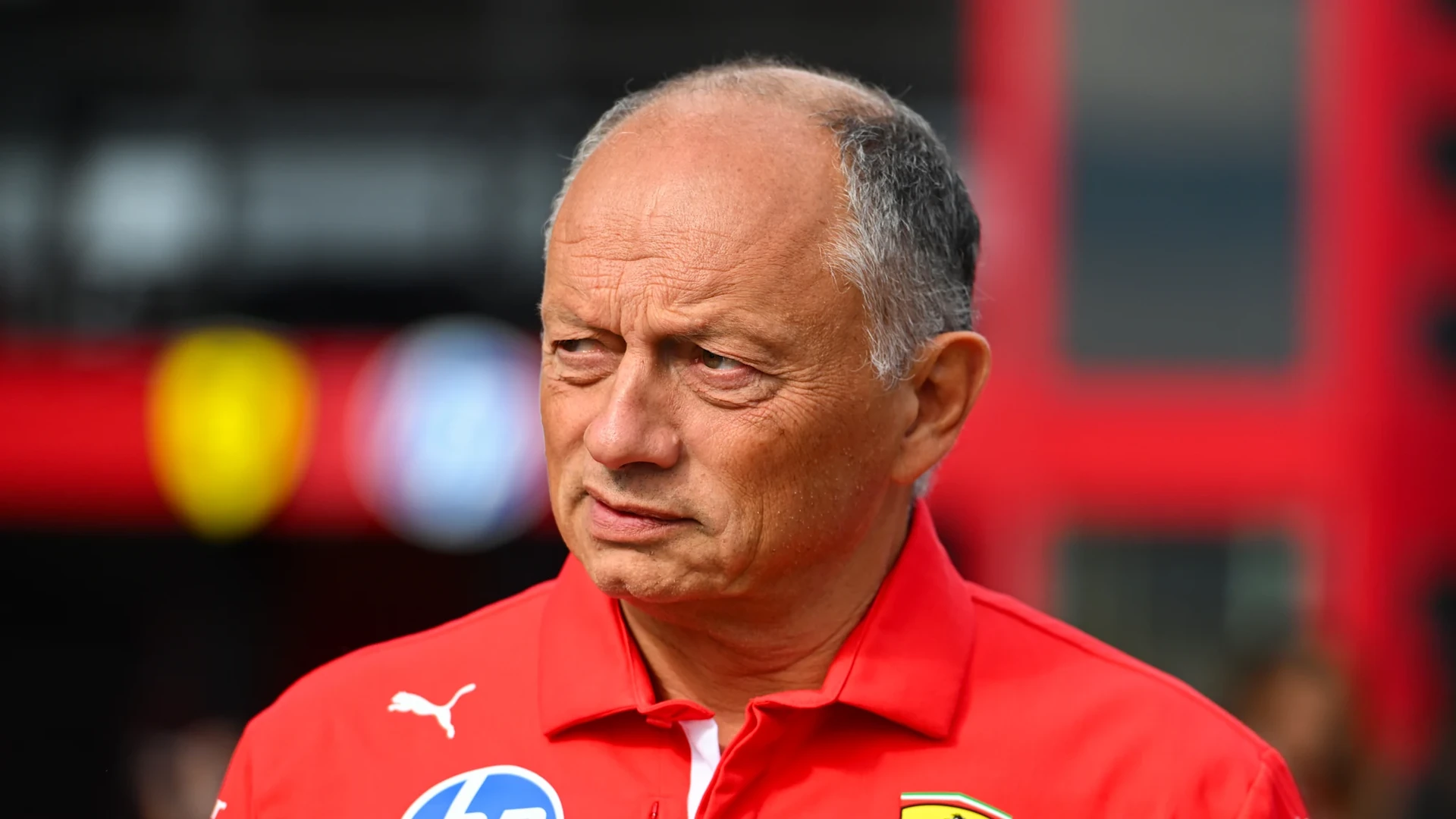
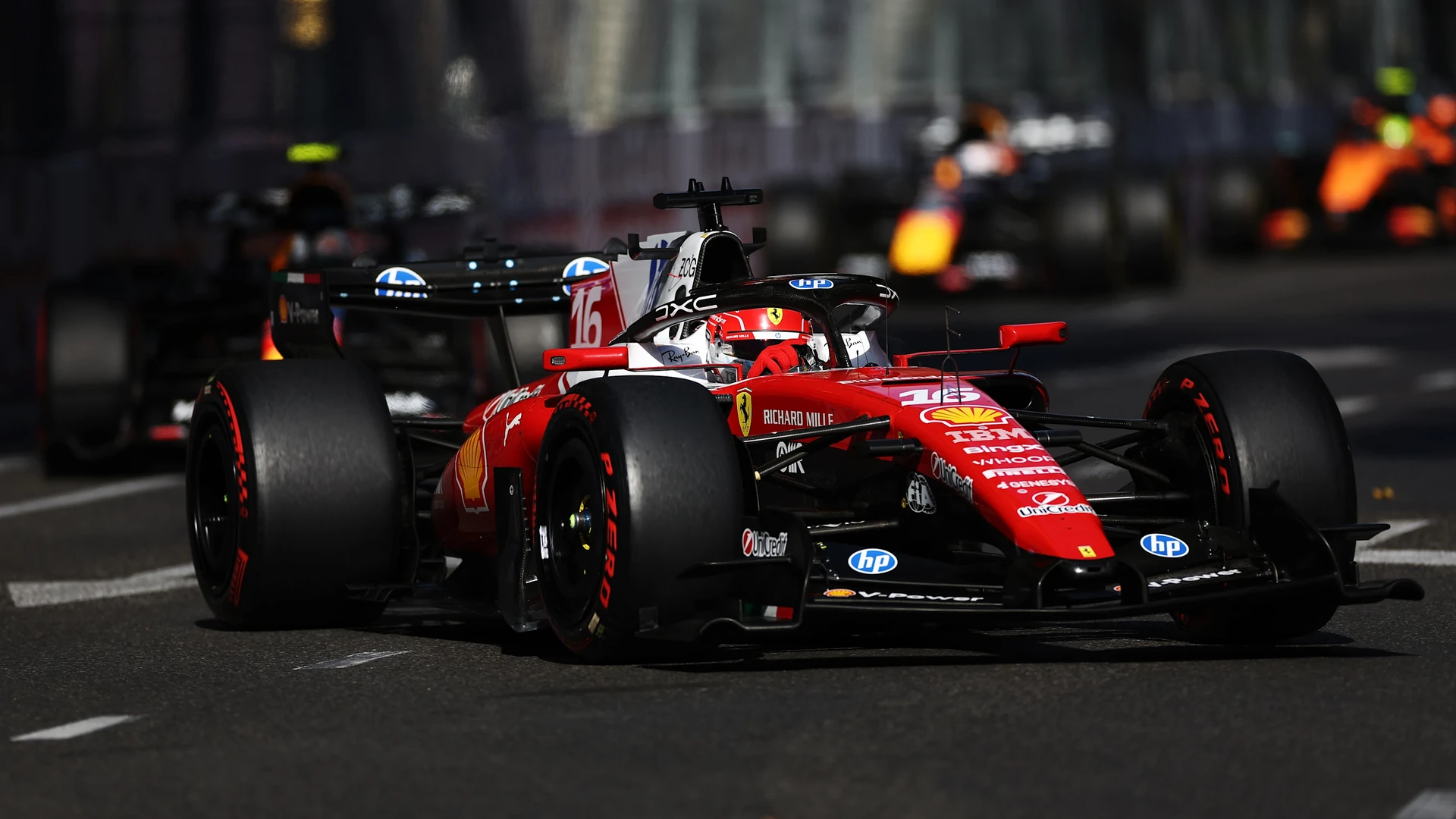
Ferrari team principal Frédéric Vasseur said upgrades are coming soon after Charles Leclerc finished fourth and Lewis Hamilton sixth at the Azerbaijan Grand Prix. Both cars scored, yet Leclerc’s frustration reflected a larger concern: Ferrari could take useful points without sustaining the pace required to control the podium fight. The promised development now has to improve a specific performance limitation rather than serve as a general answer to every difficult phase of the weekend.
Fourth and sixth provide a baseline, not a complete verdict
A double points finish shows that Ferrari maintained reliability and enough race pace to remain near the front. It also hides differences between phases of the weekend. One car may lose time in qualifying balance, another in tyre preparation or traffic. Engineers need to identify where the gap first appeared instead of treating two finishing positions as one technical diagnosis.
Leclerc’s fourth place kept him close to the podium but outside the result Ferrari expect when the car is genuinely competitive. Hamilton’s sixth added valuable points while confirming that the second car did not have a separate route to challenge the leaders. The shared limitation makes an upgrade relevant, but it does not prove that one new component will solve every issue.
Baku punishes a car that cannot combine confidence and efficiency
The street circuit asks for stability under braking, traction from slow corners and low enough drag for the long flat-out section. Adding downforce can improve confidence in the technical sector while reducing straight-line performance. Removing wing can protect speed but make the tyres slide and overheat. The fastest package is the compromise that preserves lap time across both environments.
Ferrari’s analysis should therefore compare where Leclerc and Hamilton lost time, not only the final maximum speed. A weak exit before the straight can look like an engine or drag problem at the speed trap. A nervous rear axle can force an earlier brake application and reduce confidence several corners before the visible loss. The upgrade target must follow the cause rather than the symptom.
| Ferrari measure | Azerbaijan result |
|---|---|
| Charles Leclerc | 4th |
| Lewis Hamilton | 6th |
| Team response | Upgrades promised soon |
| Validation need | Compare new package against a clear baseline |
Leclerc’s frustration should be converted into usable detail
A driver’s immediate reaction contains information but also the emotion of a missed result. Debriefing turns that reaction into corner numbers, steering traces and repeatable conditions. Leclerc can explain whether he lacked front response on entry, rear support during rotation or traction when returning to power. Those distinctions determine whether the solution is mechanical setup, aerodynamic development or operating procedure.
The team must also compare his feedback with Hamilton’s. Agreement can strengthen the case for a shared car limitation; disagreement may reveal driving-style sensitivity or a setup direction that helped one phase and hurt another. Treating both perspectives as data avoids asking either driver to provide a complete engineering answer alone.
An upgrade needs a clean validation plan
New parts are useful only when the team can establish what changed. Running the previous specification on one car during practice, gathering flow data and repeating comparable tyre programmes can separate the component’s effect from track evolution. Installing several changes at once may offer more performance, but it also makes a disappointing result harder to understand.
Correlation is the central question. If the real car behaves as the simulator and wind tunnel predicted, Ferrari can build on the same development direction. If the improvement appears only in one corner type or operating window, the package may require setup work before its full value is available. Calling the upgrade successful after one headline lap would be premature.
Hamilton’s sixth place gives Ferrari another reference
Hamilton’s experience across different car generations can help describe how the platform changes through a stint. His feedback is most useful when tied to measurable events: when the balance moves, which tyre becomes limiting and whether traffic exaggerates the problem. That can guide both the upgrade and the way the existing car is prepared for the next race.
The sixth-place result also shows the importance of execution while development continues. A team cannot pause the championship until new parts arrive. Starts, pit stops, tyre calls and communication still decide whether an imperfect car finishes fourth and sixth or loses positions through avoidable errors. Operational points remain available even when outright pace is missing.

No Comments