
Kimi Antonelli finished fifth in Azerbaijan after beginning the race from 16th and carrying floor damage from an early incident. He called it his worst weekend of the season but still recovered a useful result, reducing rather than surrendering the points available to Mercedes. The damage changed the car’s balance and made the comeback a management exercise: Antonelli had to pass slower cars while protecting a platform that no longer behaved as it had in the pre-race setup.
Sixteenth on the grid changed the purpose of the opening stint
From a front-row start, the first laps can be used to control tyre temperature and settle into the planned strategy. From 16th, Antonelli had to make progress before the field spread out, yet an overly aggressive move could end the race immediately. The useful approach was selective: take positions when the exit remained protected and avoid becoming trapped on the outside of a narrow sequence.
Traffic also changes cooling and grip. Following several cars raises temperatures and removes front downforce, so the Mercedes could not produce its isolated qualifying balance. Antonelli had to anticipate braking points rather than react to the car ahead. That workload increased before the floor damage made the platform still less predictable.

Floor damage affects more than one fast corner
The floor produces a large share of a modern Formula 1 car’s downforce. Damage can reduce load and disturb the balance between the front and rear axles. A driver may feel the limitation under braking, through direction changes and when applying power, not only at maximum speed. The setup prepared overnight is no longer the setup available during the race.
Antonelli therefore needed to relearn the car while competing. A corner that accepted one entry speed in practice may produce understeer or instability after the damage. Adjustments on the steering wheel can shift brake balance and differential behaviour, but they cannot restore missing aerodynamic surface. The objective becomes finding a consistent compromise that protects the tyres and still permits an attack.
The recovery depended on completing passes efficiently
Each additional lap behind a slower car increases temperature and consumes the best part of the tyre. Antonelli could not wait indefinitely for a perfect opportunity. At the same time, a lock-up or contact would have magnified the original problem. His progress required good exits, disciplined energy deployment and braking from a distance that allowed both cars to complete the corner.
Clean passes also helped the damaged floor. Once ahead, Antonelli could use clearer air to stabilise temperatures and choose his own line. That made the next chase more manageable. The fifth-place result was created not only by the number of cars passed but by avoiding a long fight with each one.
| Indicator | Baku outcome |
|---|---|
| Starting position | 16th |
| Finishing position | 5th |
| Car condition | Floor damage after an early incident |
| Championship lead | Reduced from 81 points to 66 |
Mercedes protected points without pretending the pace was normal
Strategy after damage must use real lap times rather than the expected performance from simulations. Extending a stint can be useful if the driver is still competitive, but costly if the altered balance accelerates degradation. Stopping early may provide grip while returning the car to heavy traffic. Mercedes needed Antonelli’s feedback to distinguish a temporary temperature issue from a permanent aerodynamic loss.
The eventual finish suggests that the team found a workable window. Fifth did not match the potential of a clean weekend, but it prevented qualifying and early damage from producing a near-zero return. In a championship, that distinction matters. Strong operations are visible when the original target disappears and the team identifies the best remaining one.
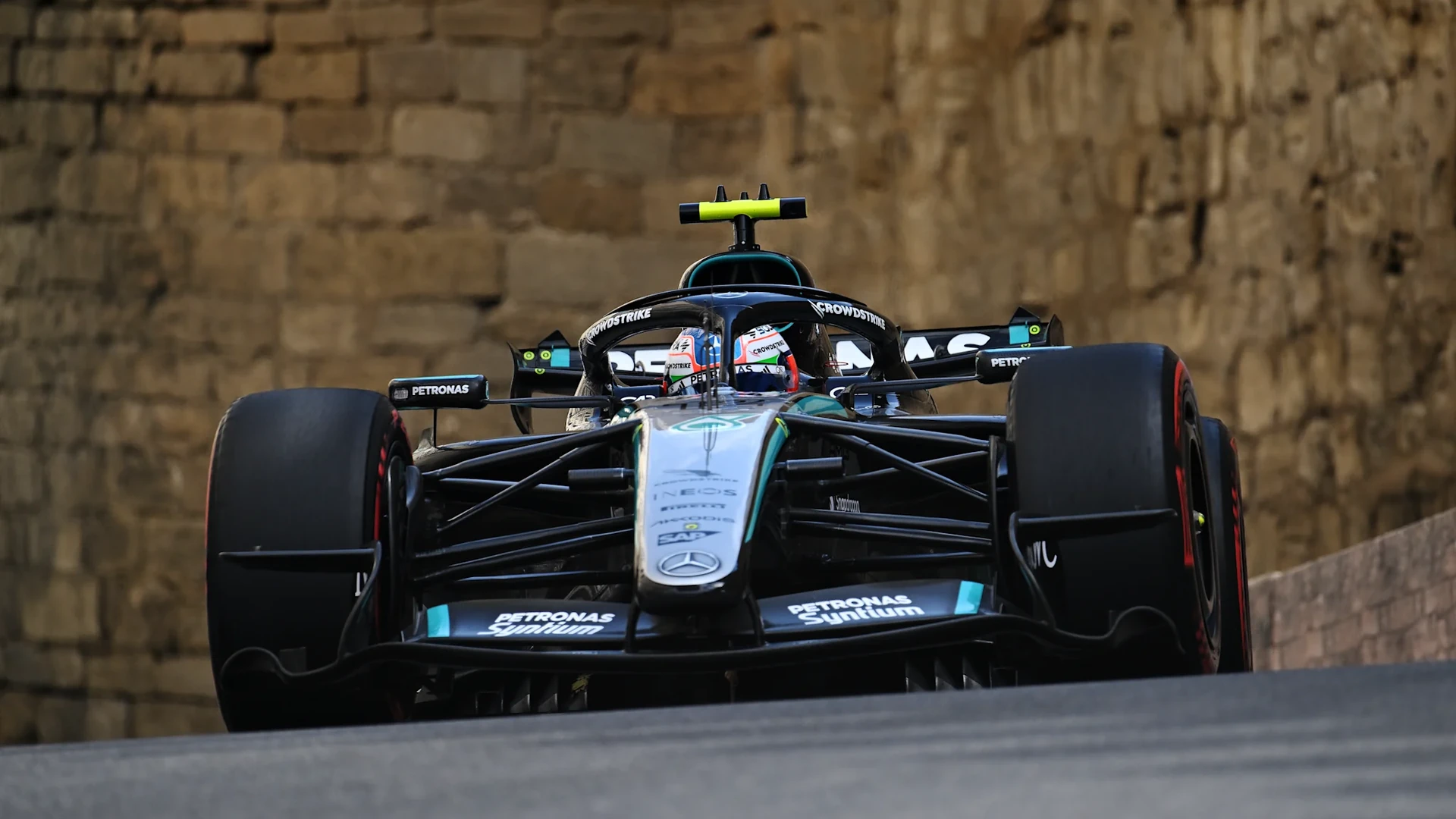
The championship loss was contained, not reversed
Antonelli’s advantage in the standings was reduced from 81 points to 66, according to Formula 1’s post-race assessment. That remains a significant margin, but the change shows how quickly one difficult weekend can alter the shape of a campaign. The correct response is not to drive the next event as if every lost point must be recovered immediately.
A large lead rewards consistency. Antonelli can review the qualifying errors and early-race incident while keeping the habits that delivered the advantage in the first place. Changing the entire approach after one fifth place would give the weekend too much influence. The useful lessons are specific: preparation for street circuits, traffic management and recognition of the car’s limit after damage.
Calling it the worst weekend can support a precise review
The phrase is valuable only if it leads to identifiable causes. Engineers can separate qualifying execution, the early damage, tyre behaviour in traffic and the quality of the recovery. Lumping every problem into one bad feeling would make improvement difficult. Each phase has different evidence and may require a different correction.
Antonelli leaves Baku with an unusual combination: personal frustration and a result many drivers would accept from 16th. Both can be true. Fifth place demonstrates resilience; the damaged floor and poor start position explain why satisfaction would be misplaced. The strongest response is to preserve the recovery standard while preventing the weekend from becoming difficult so early.
No Comments