
McLaren failed to score in Baku for only the third time this season. Andrea Stella said the circuit exposed the car’s straight-line weakness, while separate incidents removed both drivers from contention. Oscar Piastri lost a possible podium after a mistake, and Lando Norris retired following contact. The team also dealt with a fuel-injection and deployment problem during the weekend.
Baku exposed McLaren’s lack of speed on the straights
The circuit combines a narrow technical section with one of the longest full-throttle runs on the calendar. A car that gives away speed on the straight cannot recover all of it through a good corner exit because the following driver receives a slipstream for a long period. McLaren’s weakness therefore affected attack, defence and the freedom to choose wing level.
Electrical deployment must also last through the complete acceleration zone. If energy arrives too early, the car can become vulnerable before the braking point. The reported issue with fuel injection and deployment complicated that task. Engineers need to separate a hardware or control fault from the underlying aerodynamic limitation before choosing the next response.
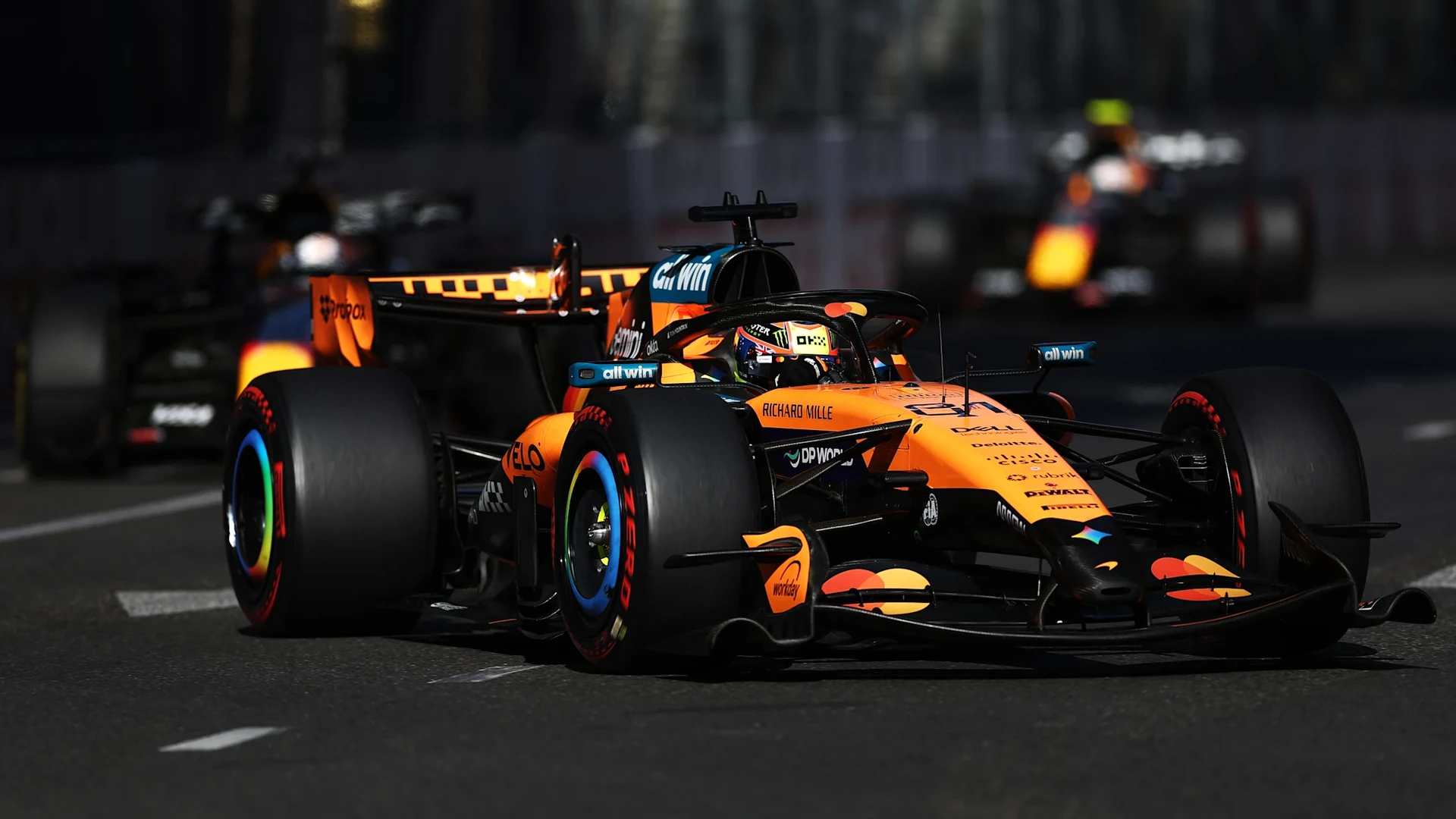
Piastri lost a possible podium after a driving error
Stella believed Piastri had the pace for a podium. That possibility makes the retirement more painful but also gives the team a useful distinction: the car was not incapable of reaching the front group on every part of the lap. A driver error removed the chance before strategy could convert the available pace.
The review should remain specific. Calling the entire weekend poor would mix a competitive cornering balance with the straight-line deficit and the mistake. McLaren needs to know which setup choices produced confidence, which created vulnerability and whether the driver was compensating for the speed loss when the error occurred.
Norris retired after contact and left McLaren without points
Norris also left without points after a collision. Once one car has retired, the remaining driver can feel pressure to recover the team result immediately. That urgency must not change the size of an available gap or the expected behaviour of another car. A move that is reasonable with margin becomes costly when the front wing or suspension has no escape space.
For the team, two different incidents require two different corrections. Piastri’s sequence concerns the approach to a limit, while Norris’s concerns interaction with traffic. Combining them under a general demand to be more careful would produce little practical improvement. Each driver needs a clear trigger that can be recognised in the next race.
| Baku issue | Consequence |
|---|---|
| Straight-line performance | Attack and defence limited |
| Oscar Piastri | Possible podium lost after mistake |
| Lando Norris | Retired after contact |
| Team result | No points |
McLaren still collected useful data from the new parts
Stella said the new parts produced positive information despite the result. An upgrade should be judged through measured load, balance and correlation, not only the points scored on its first weekend. If the components behaved as the simulation predicted, the engineers can continue developing from a reliable model even though the race ended badly.
Some parts also had to be replaced, which complicates the sample. Two cars may not complete identical programmes, and damage can change the comparison. McLaren should use the cleanest practice runs and qualifying traces before deciding whether the package helped the slow corners, the straight or the consistency across a stint.
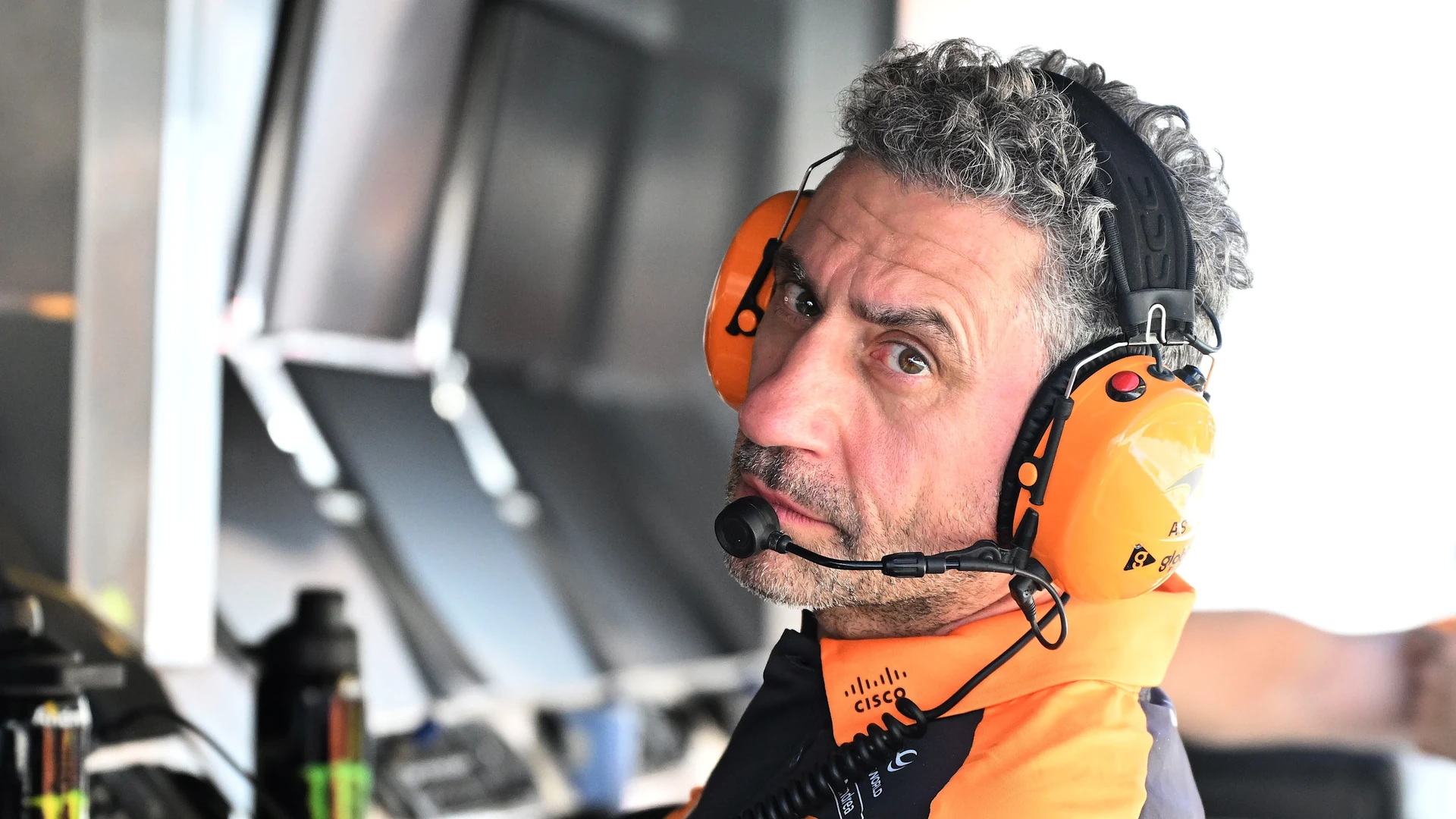
McLaren must apply the Baku lesson to the next car
With resources moving toward the following season, McLaren cannot answer every 2026 weakness with a large new package. The remaining work should target understanding and operational improvements that also transfer forward. Efficient cooling, deployment logic and setup methods can benefit the next design even when the current bodywork changes little.
Baku was costly because the weaknesses and incidents arrived together. The circuit exposed speed loss, a technical problem reduced confidence and both cars failed to finish in the points. The useful response is not to erase the whole concept. McLaren must preserve the positive upgrade correlation, correct the two driver sequences and make sure the straight-line lesson appears in the architecture of the next car.
McLaren need a reliable reference setup at the next race
When an upgrade, a technical fault and two incidents occur on the same weekend, the data become difficult to interpret. McLaren should begin the next event with at least one known configuration and a fixed run plan. That gives engineers a reference for drag, electrical deployment and tyre behaviour before more experiments are added. Without that reference, an apparent improvement can be confused with a change in track conditions or fuel level.
The drivers also need confidence that the straight-line limitation has a defined size. If they know where the car will be vulnerable, they can position it earlier and avoid defending reactively at the final braking point. Engineering information therefore changes racecraft. Baku’s scoreless result becomes useful only when the measured weakness produces a simpler decision at the next circuit.

No Comments