
Isack Hadjar finished third at the Azerbaijan Grand Prix on his return from a wrist injury. He qualified fourth, started ahead of Max Verstappen after beating him on Saturday and converted the position into a podium. Red Bull team principal Laurent Mekies praised Hadjar’s calm execution and the way he worked for the team during a demanding weekend.
Baku placed repeated braking and steering loads on Hadjar’s wrist
A street circuit places repeated load through the driver’s hands. Heavy braking transfers force into the wheel, kerbs create sharp impacts and corrections arrive without much warning. Hadjar therefore needed more than permission to race. The wrist had to remain stable through a full qualifying session and a Grand Prix without changing how he held the car in the fastest sections.
Pain management can also affect precision before it affects outright strength. A driver may be physically capable of turning the wheel but hesitate during a quick countersteer or release the brake differently. Hadjar’s fourth place in qualifying was the first strong sign that the injury was not controlling those fine movements.
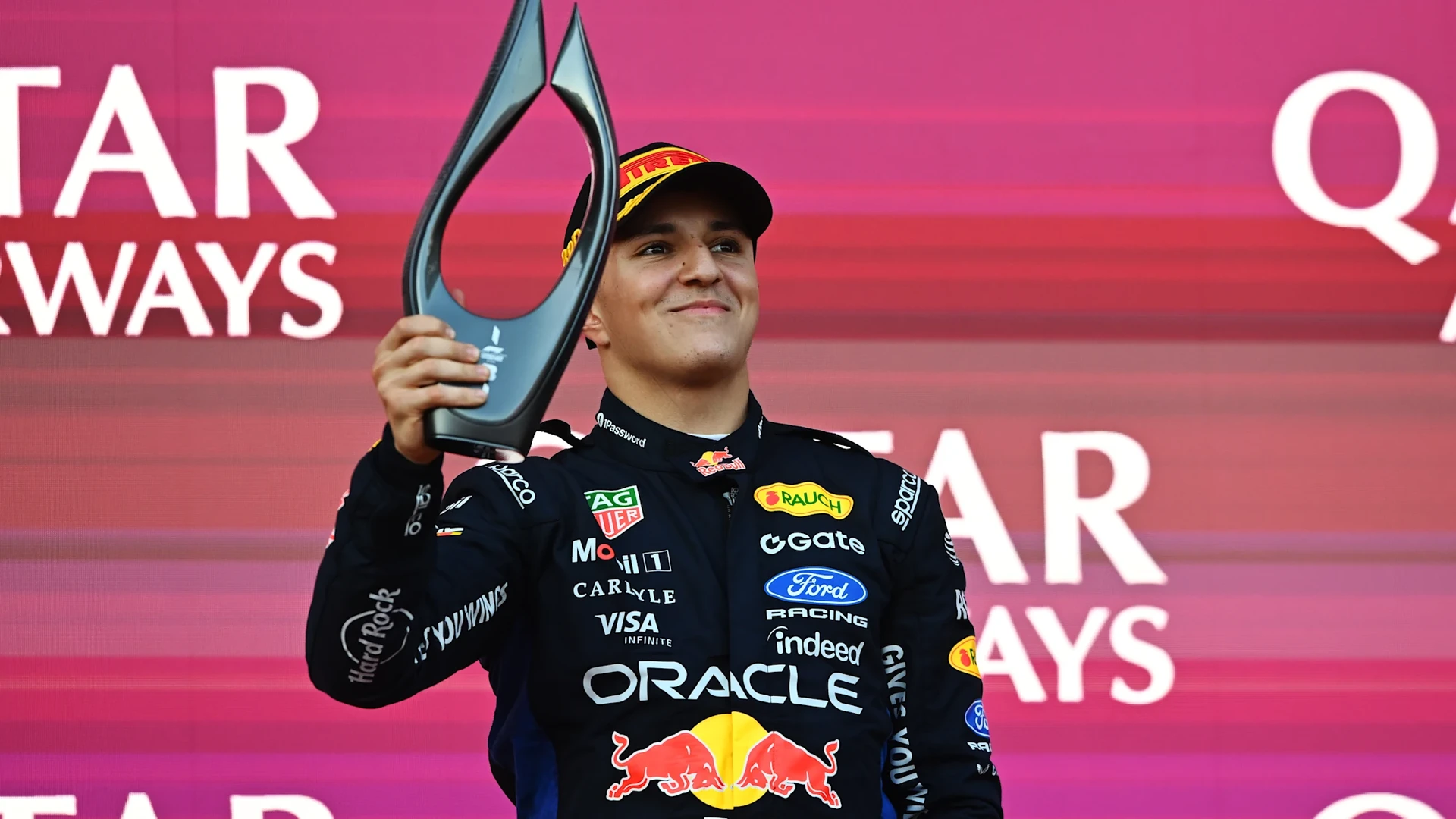
Fourth place in qualifying reduced Hadjar’s race-day risk
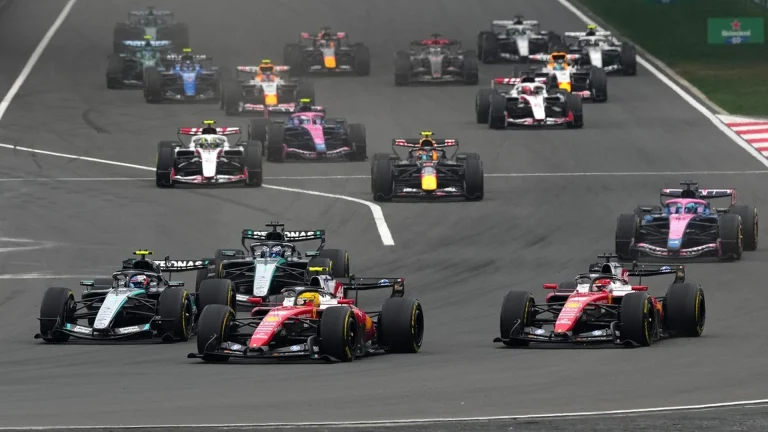
Starting near the front reduced the amount of dirty air and the number of early overtakes required. In Baku, that is especially valuable because a pass can expose the tyres and brakes before the race has settled. Hadjar placed the car in a position where patience could score more than an aggressive recovery from the middle of the grid.
Beating Verstappen in qualifying also showed that the lap was not merely safe. Hadjar had to attack the braking zones and carry speed through the narrow middle sector. The result gave Red Bull two useful reference points and forced rivals to consider both cars when planning the opening phase.
Hadjar protected tyre life and avoided unnecessary contact
Mekies highlighted the driver’s composure. A podium drive from fourth often depends on recognising what not to fight. Hadjar needed to protect tyre temperature, avoid unnecessary contact and remain close enough to benefit when the order ahead changed. Every lap completed cleanly increased the value of his starting position.
Teamwork matters when cars from the same organisation occupy the leading group. The drivers cannot sacrifice their own races, but they can avoid slowing each other in ways that invite another rival into the fight. Clear radio instructions and predictable positioning allowed Hadjar to pursue the podium without turning the team result into an internal collision risk.
| Weekend element | Hadjar’s result |
|---|---|
| Qualifying | 4th |
| Race | 3rd |
| Context | Return from wrist injury |
| Team status | Confirmed for 2027 |
The podium supports Red Bull’s decision to retain Hadjar for 2027
Hadjar has already been retained for 2027, so the Baku weekend is evidence rather than an audition decided by one race. It shows that he can return after a physical interruption, qualify under pressure and manage a result when the car begins near the front. Those are different skills from producing a fast lap in a lower-stakes session.
The team still needs to monitor recovery. A podium does not prove that the wrist will feel identical after several consecutive weekends or on a circuit with different steering loads. Training and simulator work should use the driver’s feedback rather than the trophy as a medical conclusion.
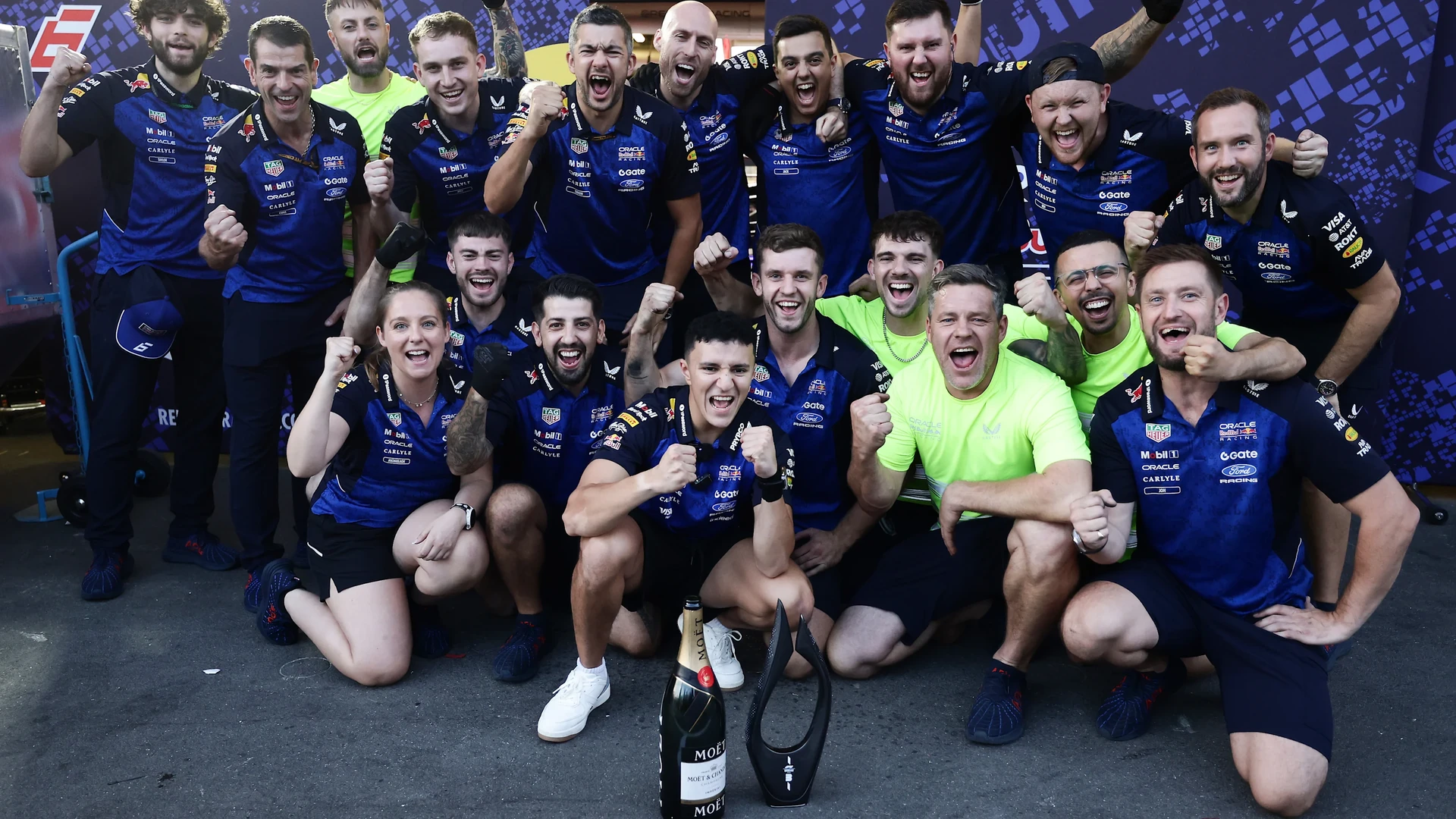
The controlled drive showed that Hadjar was ready to return
The most convincing part of Hadjar’s return was the absence of visible drama in his driving. He did not need a risky final move or a strategy gamble to justify the weekend. The pace was present in qualifying, and the race was completed with enough control to take third. That normality is a sign that preparation covered the main demands.
Baku also gives him a useful baseline for the next event: how the wrist responded to braking, how tyre management changed during a long stint and where fatigue appeared. The podium is the result, but the repeatable gain is that information. Red Bull can now increase the load carefully while preserving the calm process that produced it.
Red Bull must monitor Hadjar’s wrist after the race weekend
The medical review should include how Hadjar’s wrist reacted later that evening and the following morning. Adrenaline can hide discomfort during a race, while swelling or reduced movement appears after the load ends. Comparing those responses with steering force and braking data will help the team decide whether the next training block can grow normally or needs another restriction.
Hadjar’s podium gives Red Bull confidence, but it should not change that method. The driver has already shown that he can produce speed while managing the comeback. Protecting the next step is now more valuable than proving the same point again in practice. A measured workload can keep the performance available through the remaining races instead of concentrating it into one impressive return.
No Comments