
The Formula 1 Commission has discussed a package of sporting changes for 2027. The proposal would reduce the standard race distance from 305 kilometres to 290, remove the three-hour elapsed-time limit while retaining two hours of active racing, and create a fixed finishing time. Gearbox homologation would also be removed, subject to World Motor Sport Council approval.
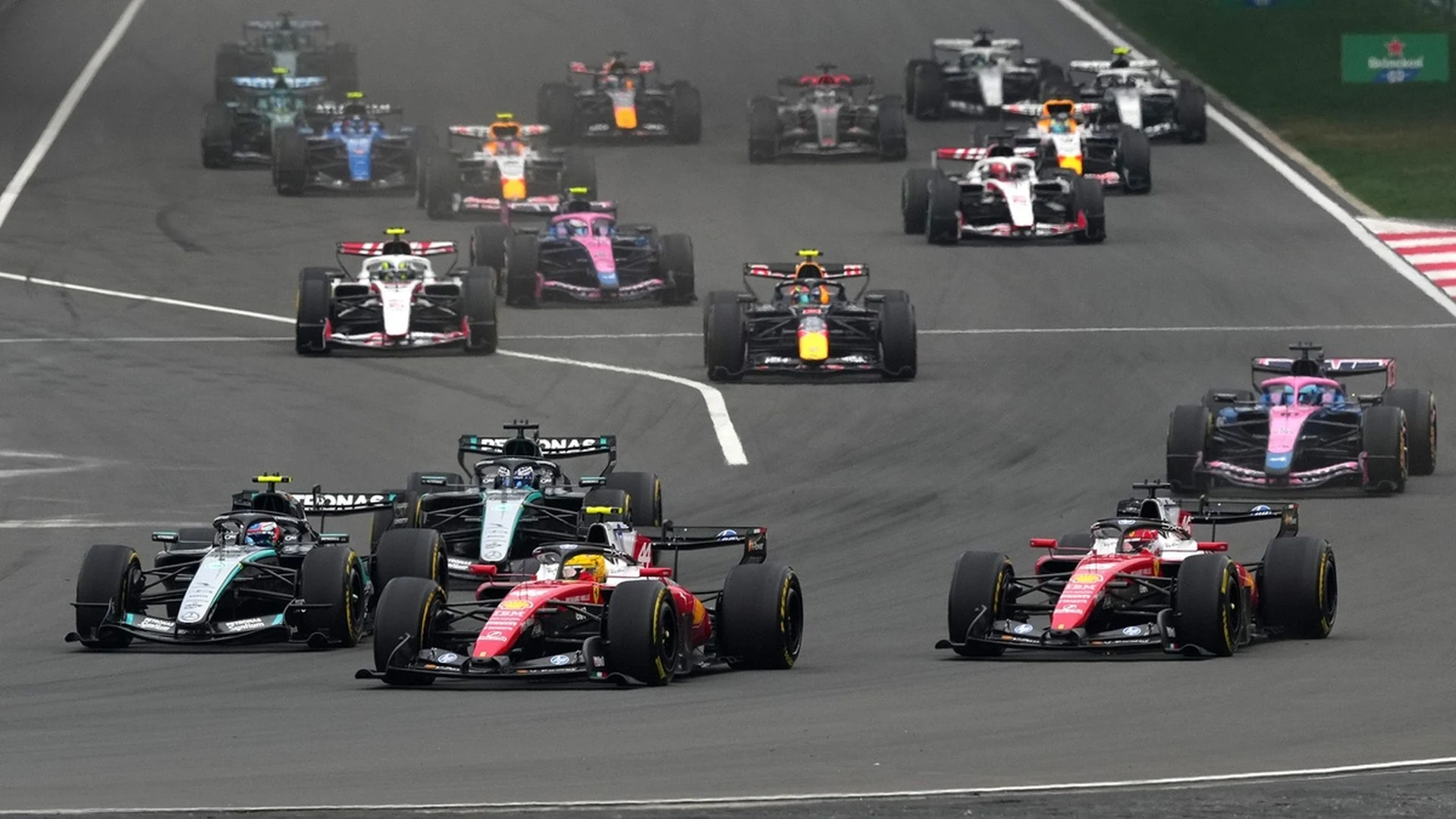
The shorter distance supports the new fuel rules
The proposed reduction is roughly two or three laps at many circuits, not a change to a sprint-length event. It is connected to refinements in the 2027 fuel-flow framework. A shorter target can reduce total energy demand while preserving the strategic structure of a Grand Prix.
The effect will vary by track. At a circuit with short laps, the number removed may be larger; at Spa, one lap represents a much greater distance. Strategy models must use the official race distance for each venue rather than applying one universal lap reduction. Fuel targets, tyre life and pit-stop windows all move when the finish arrives earlier.
The two-hour racing limit would remain
The Commission does not propose unlimited active racing. Two hours of racing time would still apply. The change concerns the separate three-hour elapsed limit, which includes stoppages. Removing it and defining a fixed finishing time aims to make interrupted events easier to manage when a red flag consumes a large part of the original window.
Clarity matters for teams, broadcasters and spectators. A restart decision should not depend on several overlapping time limits that are difficult to explain. The final regulation will need precise wording for suspension, resumption and the latest possible finish. A fixed finishing time is useful only when everyone can calculate it from the same information.
| Rule topic | Current regulation | Proposal for 2027 |
|---|---|---|
| Race distance | 305 km | 290 km |
| Maximum racing time | Two hours | No change |
| Overall time limit | Three hours | A fixed finishing time |
| Gearbox approval | Mandatory homologation | Homologation removed |
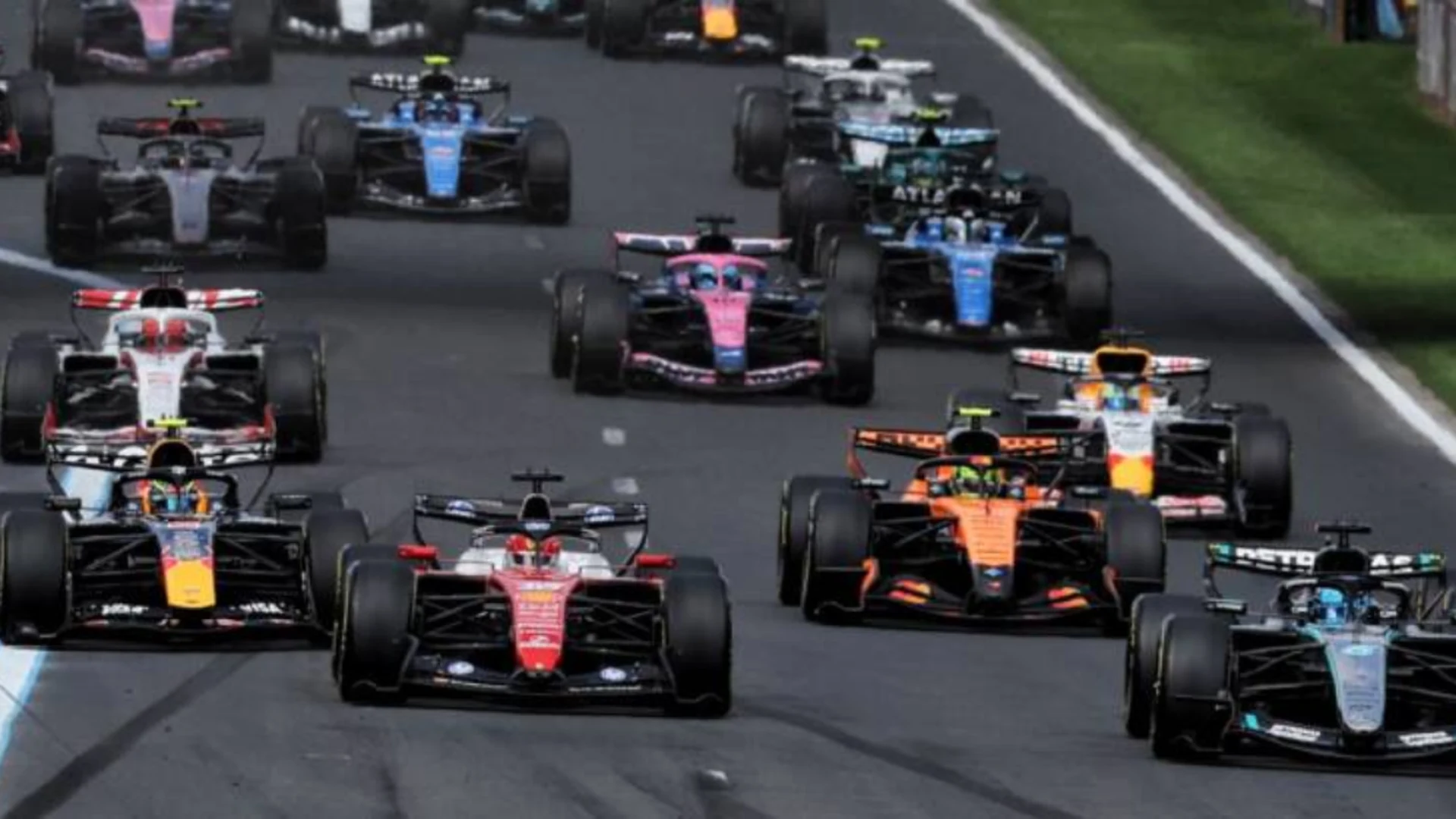
Interrupted practice sessions could receive extra time
The meeting also supported more flexibility when a practice session is interrupted. A blocked circuit or technical problem can remove much of the available track time, especially during a Sprint weekend. Allowing an extension in defined circumstances could restore useful running without changing the rest of the schedule casually.
Any extension needs consistent criteria. Teams must know whether a red flag, weather delay or circuit repair qualifies and how much time can be added. Selective decisions would create a competitive concern. The rule should protect meaningful preparation while keeping the event timetable predictable.
Gearbox homologation may end
The proposal would end gearbox homologation for 2027. Modern reliability and cost controls have changed the reason for freezing every design detail. Removing homologation can give teams more freedom to correct a weakness, but financial rules still need to prevent an expensive development race around a component with limited visible value for fans.
The practical benefit is repairability and technical flexibility. A team should be able to address a proven reliability problem without navigating an outdated approval barrier. The risk is that open development consumes resources that could be directed elsewhere. Cost-cap rules and reporting will determine which outcome dominates.
These remain proposals until formal approval
The Commission’s support is an important step, but the World Motor Sport Council must approve the regulations. Articles about the meeting should therefore distinguish a proposed 2027 framework from a rule already in force. Teams can model the effects now while waiting for final text.
The package has a coherent theme: reduce ambiguity and align sporting rules with the next technical phase. Shorter races, one clear stop condition and flexible recovery of lost practice all change how time is managed. The final judgement should follow the approved wording and circuit-specific implementation, not only the headline distance. The commission’s task is to separate a genuine sporting improvement from a change that only looks attractive in a timetable. A different race distance affects fuel targets, tyre life, television windows and the amount of strategic variation available after a safety car. The same rule can work differently at a street circuit and a high-speed permanent track. Any proposal therefore needs modelling across several venues, followed by clear criteria for success. Teams and viewers should be able to understand what problem the change solves before the regulation is approved. Teams therefore have time to model the consequences, but none of the proposed figures should be treated as a final regulation before the Council vote.
No Comments