
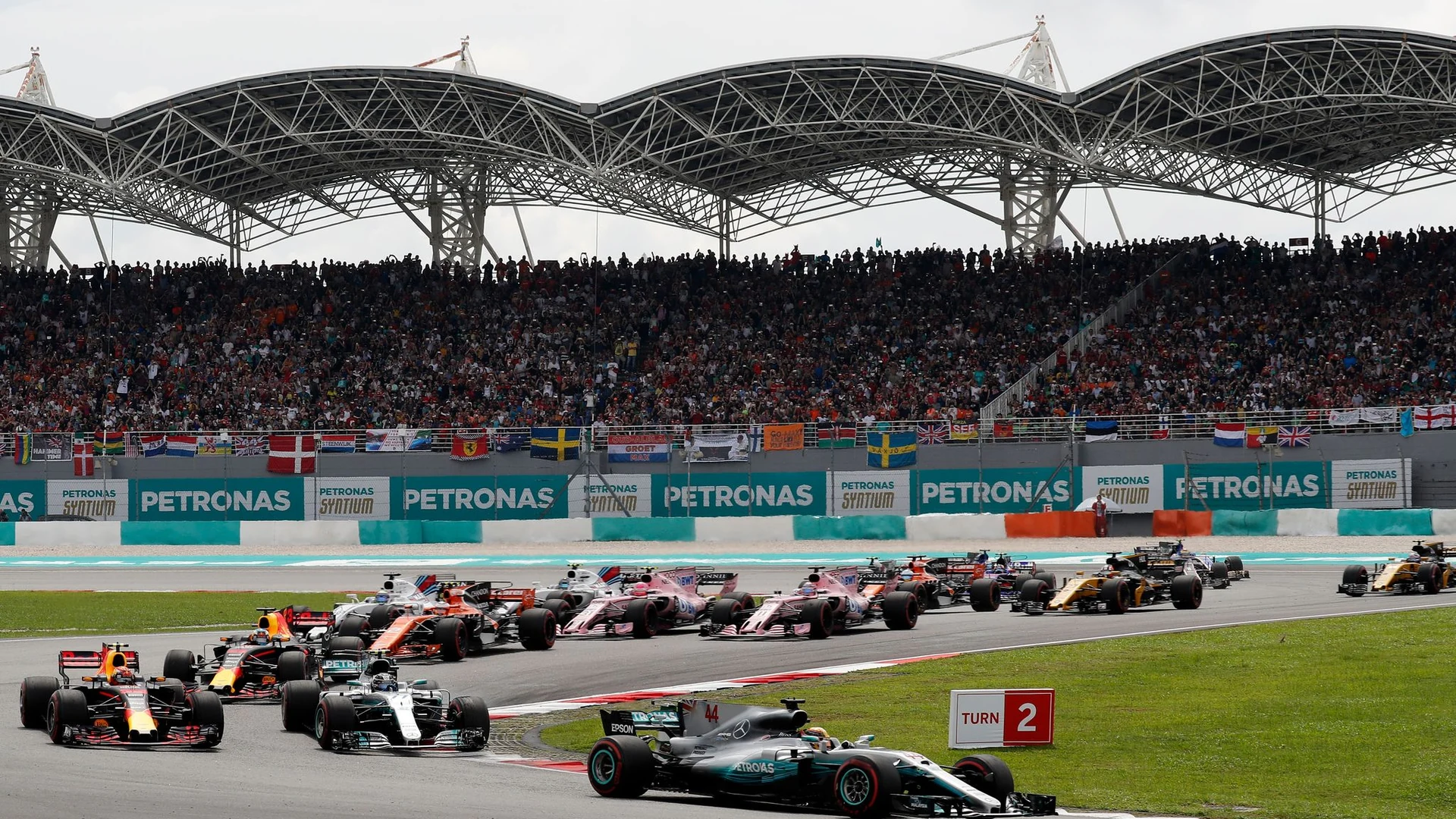
Formula 1 and the FIA have confirmed that the Bahrain Grand Prix will be held at Malaysia’s Sepang International Circuit from October 2 to October 4. The event keeps its Bahrain Grand Prix identity while moving to a track that last hosted Formula 1 in 2017. Final agreements and World Motor Sport Council approval remain part of the formal process.
The calendar position creates an immediate logistics test
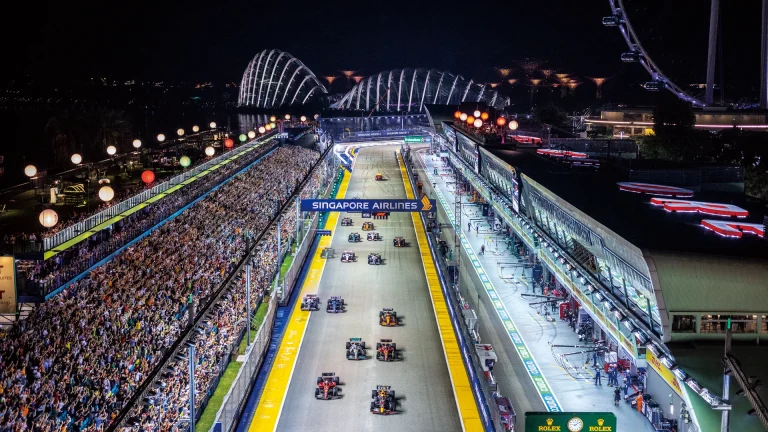
Sepang is placed between Azerbaijan and Singapore. Teams must move cars, garages and specialist equipment across a demanding sequence without the normal familiarity of the original venue. Freight plans cannot be treated as a simple airport change because tyre preparation, cooling equipment and spare-part priorities depend on the circuit and climate.
The short transition also affects people. Engineers need time to rebuild the garage and check every system after Baku, while drivers must adjust to heat, humidity and a different time zone. Good logistics are invisible when they work, but a late container or rushed inspection can influence a weekend before the first practice lap.
Sepang places special demands on the car
The circuit combines long straights with heavy braking, medium-speed direction changes and several corners that load the tyres for a long time. Teams need enough straight-line efficiency to attack or defend, yet cannot remove so much downforce that the car becomes unstable through the faster sections.
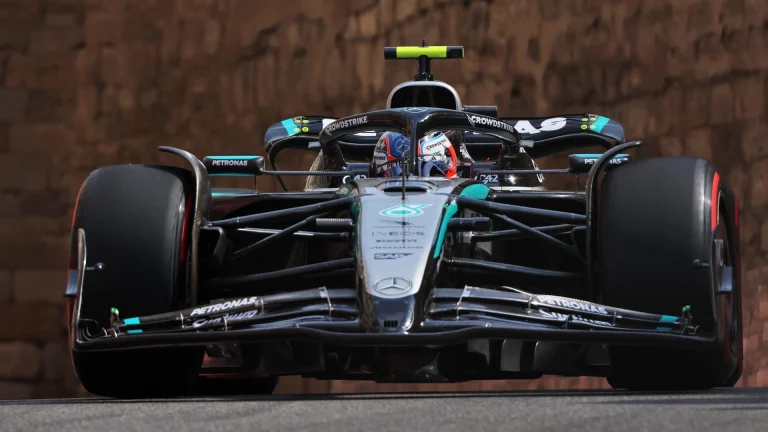
Cooling is another major variable. High ambient temperatures reduce the margin for the power unit, brakes and driver. Extra cooling openings can protect reliability but add aerodynamic cost. The best package will not necessarily produce the highest peak speed; it will keep temperatures and tyre performance inside a workable range during a long race run.
| Weekend | Venue | Calendar position |
|---|---|---|
| October 2-4 | Sepang International Circuit | Between Azerbaijan and Singapore |
| Previous F1 race | 2017 | Return after nine years |
Heavy rain can reshape every setup decision
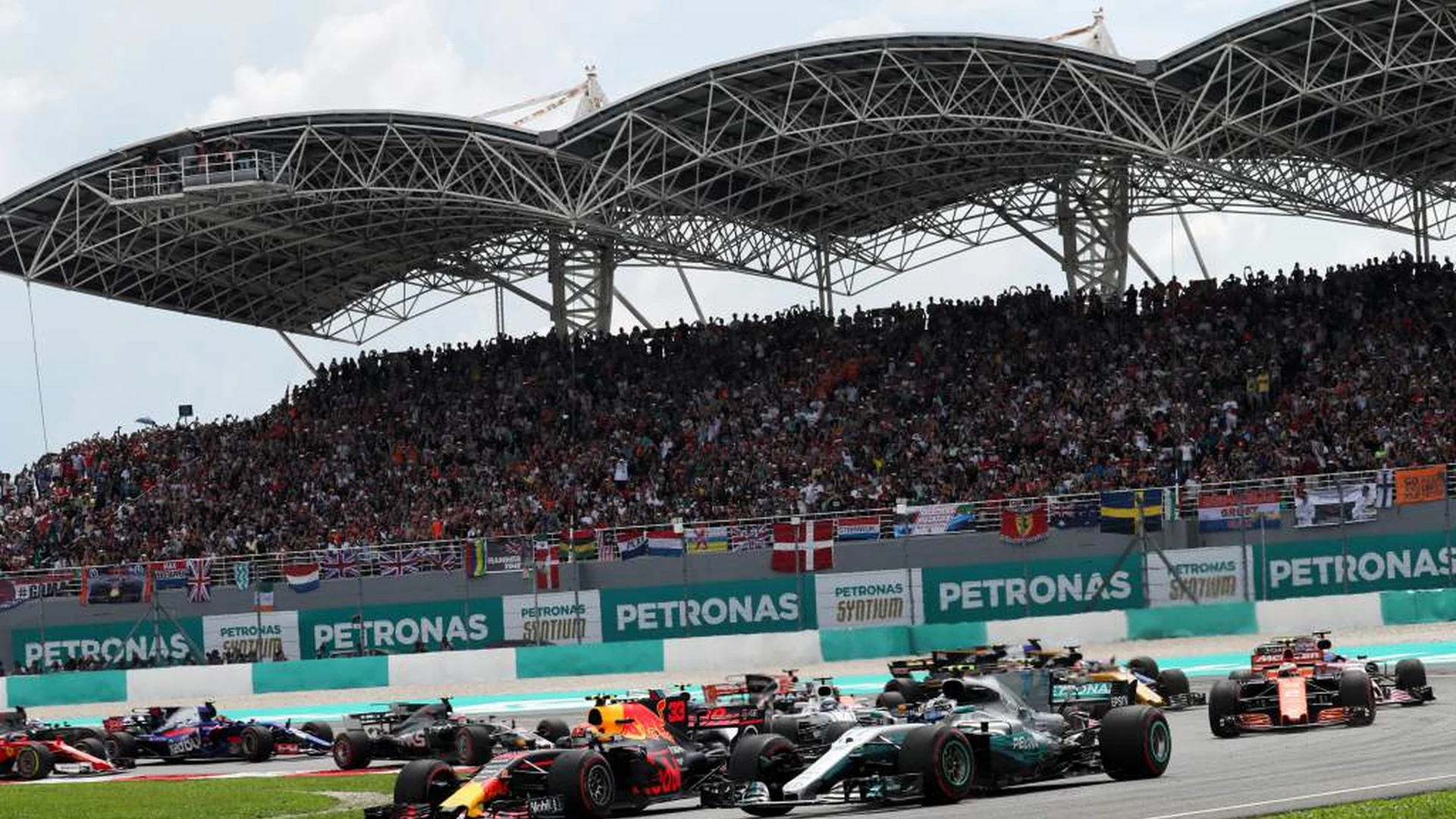
Sepang is known for sudden and heavy rain. A dry setup must therefore remain usable when grip disappears and visibility falls. Teams will study drainage, spray and crossover timing rather than relying only on historic lap data. The circuit has been absent from the championship for years, so old information needs careful interpretation with current cars and tyres.
Drivers also need reference points that remain visible in poor weather. Braking boards, kerbs and surface changes become more valuable when the normal racing line is covered by standing water. A flexible plan keeps both wet and dry tyre scenarios open until the radar and surface conditions provide enough evidence.
Sepang’s past does not predict the same kind of race
Formula 1 first raced at Sepang in 1999 and last visited in 2017. That history gives fans a clear memory of the venue, but the present event should not be judged as a recreation of an older era. The current generation of cars, modern operational rules and a revised championship context will create different racing decisions.
Teams can still use the archive to understand wind direction, weather patterns and the broad demands of the layout. The danger lies in turning an old solution into a current assumption. Simulator work and fresh track inspection must decide which lessons remain valid.
Final approval is still required
The announcement states that final agreements and World Motor Sport Council sign-off are required. That wording should remain visible because it defines the administrative status accurately. It does not mean teams should ignore the event; the confirmed plan is strong enough to begin operational preparation while the final governance steps continue.
For the championship, keeping the race preserves the calendar and restores a demanding circuit. For Malaysia, it returns Formula 1 to Sepang after nine years. The next evidence will come from the timetable, tyre allocation and weather forecast, not from speculation about whether the old races can simply be repeated. Sepang’s return changes preparation beyond the obvious difference in location. Long corners place sustained load on the tyres, while the two major straights punish a car that uses too much downforce to protect the middle sector. Tropical heat and sudden rain can change the ideal setup during the same weekend. Teams will therefore need a broad operating window rather than one qualifying-focused compromise. The replacement also affects cooling, brake management and driver conditioning, all of which must be planned before the first practice run. The circuit rewards a car that remains predictable as fuel load and track temperature change.

No Comments