
Max Verstappen recovered from eighth on the grid to finish second in the Azerbaijan Grand Prix, missing the victory after a race built around overtaking and tyre management. He described trying every available option as the gap remained close, but the final opportunity never became a clean move for the lead. The result converted a difficult starting position into major points while also showing why straight-line speed alone does not make passing simple on Baku’s long main section.
The recovery began by avoiding an expensive first lap
Starting in the middle of the pack creates opportunities and traps at the same time. Cars compress into the opening corners, drivers search for space and a minor contact can remove any benefit of race pace. Verstappen needed to gain positions without damaging the front wing or tyres. A patient exit can be more valuable than forcing the car into a gap that closes before the apex.
The opening phase also determined which cars would delay the later chase. Clearing a rival quickly reduces time lost in turbulent air; attempting an uncertain move and falling out of position can cost several laps. Verstappen balanced those priorities well enough to remain connected to the front. The recovery was not one continuous charge but a sequence of moments in which the risk was worth the expected gain.
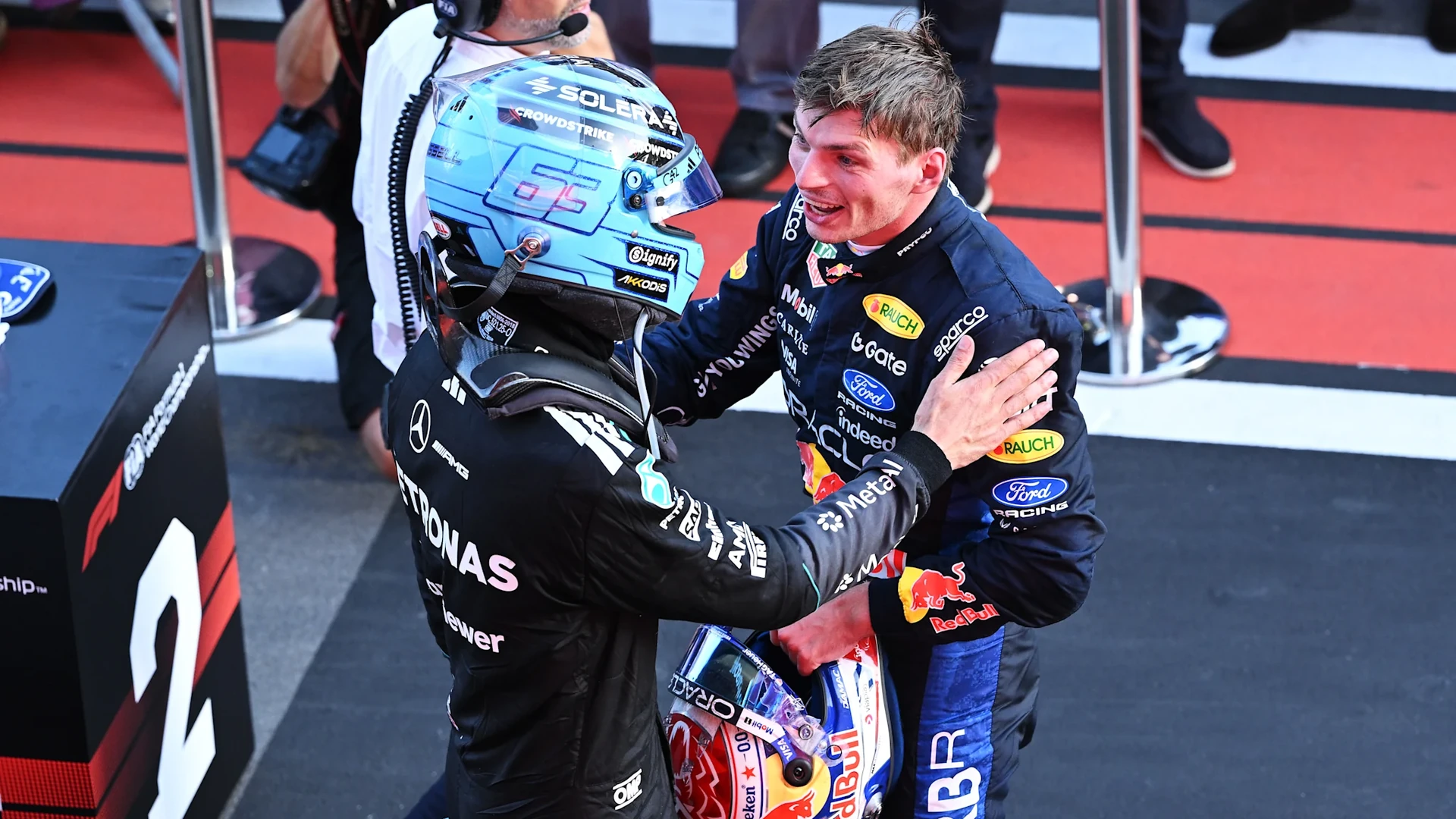
Baku’s long straight still depends on the corner before it
The main straight offers a clear overtaking image, yet the move begins through the final sequence of corners. A driver who follows too closely can lose front grip and reach the acceleration zone with a weaker exit. A driver who leaves a small gap can preserve the tyres and prepare the battery, but may begin the straight too far behind. That trade-off shaped Verstappen’s attempts to close on the leader.
Rear-wing assistance and stored electrical energy narrow the gap; they do not remove the need for positioning. The defending car can also deploy energy and choose a line that makes the braking zone difficult to attack. Verstappen’s speed kept the contest alive, but he still needed the preceding lap to create the exact distance required for a safe attempt.
Tyre condition limited how often the attack could be repeated
Following another Formula 1 car increases the temperature of the tyres and reduces aerodynamic stability. Each close lap therefore has a cost. Pushing through the technical section may place the car nearer at the start of the straight, while leaving too little grip for the final braking zone. Backing off restores some performance but gives the leader a quieter lap.
Verstappen had to alternate between pressure and preparation. The useful lap was not always the one with the fastest first sector; it was the one that preserved enough rear grip and battery for the final approach. That makes the chase less visible than the timing screen suggests. A small gap can represent maximum sustainable pressure rather than hesitation.
| Weekend point | Verstappen’s outcome |
|---|---|
| Grid position | 8th |
| Race finish | 2nd |
| Primary challenge | Passing without exhausting the tyres |
| Main lesson | Sunday pace could not fully erase Saturday’s cost |
Red Bull converted an imperfect Saturday into a strong Sunday
Eighth on the grid placed the team outside the normal control position, so strategy had to remain responsive. An early stop could gain clean air but expose the car to later tyre degradation. Extending the stint could create flexibility around a safety car while leaving more traffic to clear. The pit wall needed to judge the actual race rather than follow a pre-race model after the first laps changed the order.
The second-place finish shows that the car retained competitive pace once released into useful air. It does not make qualifying irrelevant. Every pass required time, tyre life and risk that the front-row starters did not spend. Improving the starting position remains the simplest way to turn similar Sunday speed into a victory opportunity.
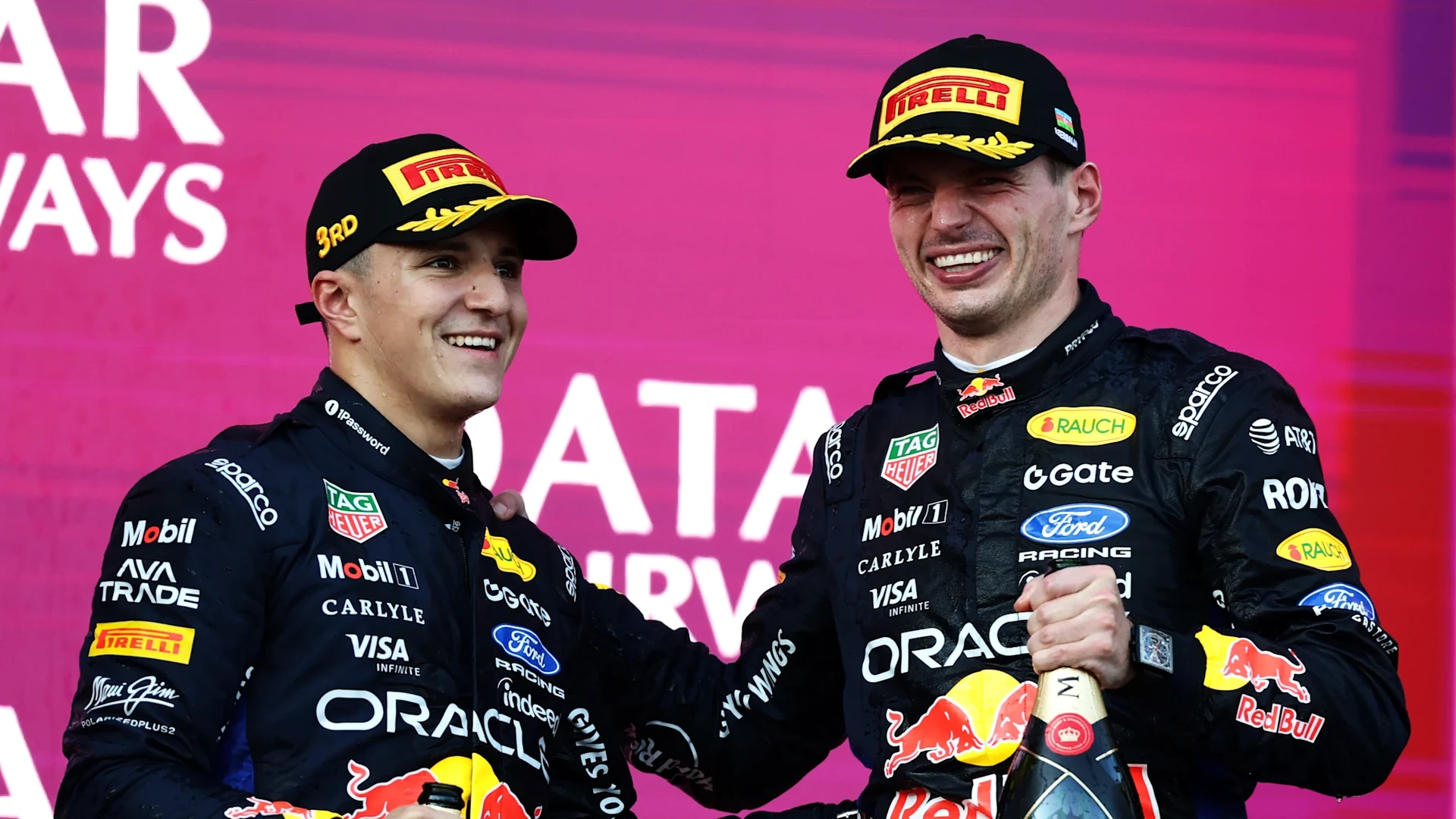
The final pass required a better setup lap, not a riskier dive
Verstappen said he tried everything, and the race supported that assessment. A driver can move to an alternate line, vary the distance before the final corner and change energy use, but cannot create grip that the car does not possess. Throwing the car from too far back would have endangered both results without making the manoeuvre more legitimate.
The narrow margin should be read as the limit of the available opportunity. Verstappen kept enough pressure on the leader to punish a lock-up or weak exit. When that error did not arrive, second was the strongest complete result. Restraint at the final braking zone was part of the performance rather than evidence that the attack lacked commitment.
Second place carries useful evidence for the next race
Red Bull can separate the weekend into two questions. The car was capable of progressing through traffic and sustaining a fight near the front, but the qualifying result placed unnecessary obstacles in the way. Engineers can use the overtaking phases to study cooling, balance in turbulent air and energy deployment, while Saturday analysis focuses on why a cleaner grid position was missed.
For Verstappen, the recovery protects the championship value of a weekend that could have produced far less. It also prevents the team from hiding behind the final podium. A two-place improvement in qualifying might have changed the entire race shape. Baku demonstrated both the strength of the recovery and the cost of needing one.

No Comments