
Formula One returns from its summer break at Zandvoort on Friday, 21 August. The Dutch Grand Prix is using the Sprint format for the first time. Teams have one practice session before Sprint Qualifying starts later in the afternoon.
This is also the last Dutch Grand Prix under the current agreement. The event returned to the calendar in 2021, but the promoter decided not to continue after 2026. That gives the weekend sporting value and a clear place in the circuit’s modern history.
Friday leaves little time to prepare the car
Practice begins at 12:30 local time and lasts for one hour. Sprint Qualifying follows at 16:30. The short gap means that teams must understand tyre behaviour, ride height and wind direction quickly. Zandvoort is narrow and has several banked corners. A small setup error can make the car unstable when the wind changes. Drivers also have limited space to move away from the racing line because sand often reduces grip near the edge of the track.
Engineers normally use several practice sessions to compare long runs and qualifying laps. The Sprint format removes that option. Each garage must choose which tests matter most and avoid wasting laps on changes that provide little useful data.
The Sprint creates two races in one weekend
Saturday starts with a 24-lap Sprint at noon. Grand Prix qualifying begins four hours later. A problem in the Sprint does not decide the main starting grid, but damage can reduce the time available to prepare the car for qualifying. Sunday remains the main event of the weekend. The Grand Prix covers 72 laps and a race distance of 306.587 kilometres. Tyre management matters because repeated high-load corners can raise surface temperatures even when the air is cool.
The timetable gives supporters competitive action on all three days. It also forces teams to divide their attention between immediate Sprint points and the longer Sunday race.
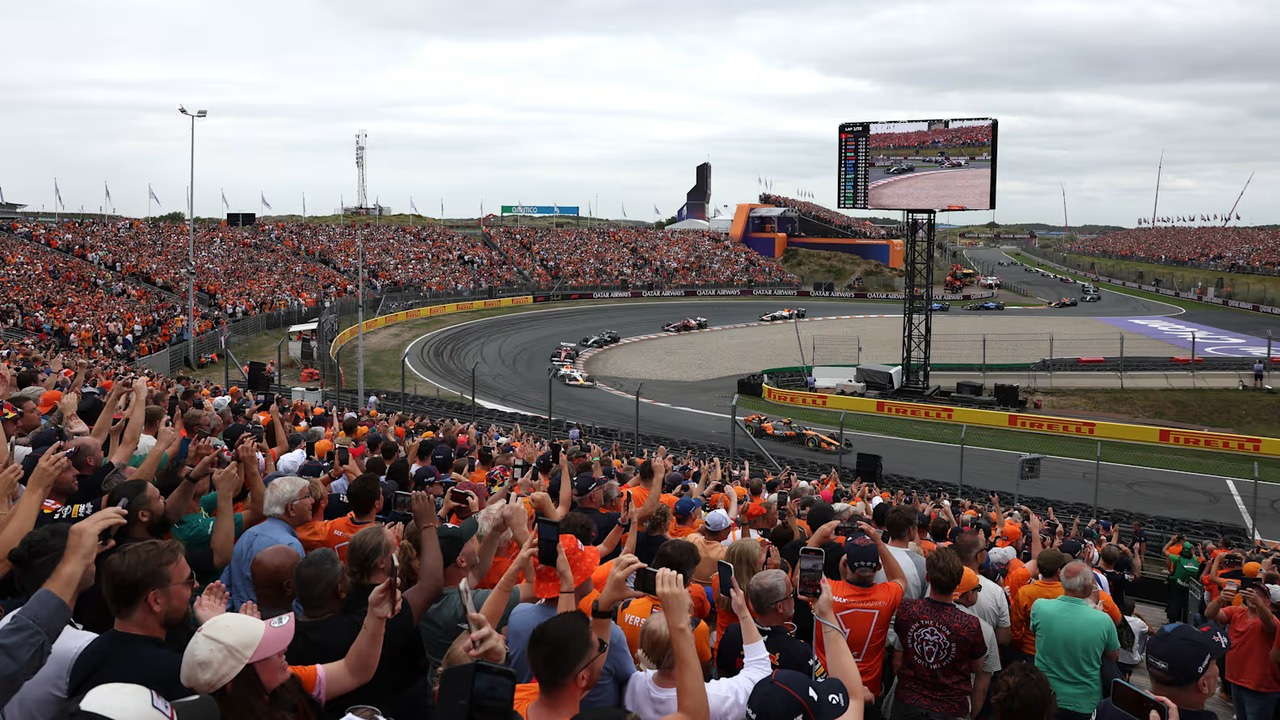
A clean first session is therefore more valuable than a dramatic but unclear practice programme.
| Day | Session on the track | Main task for teams |
|---|---|---|
| Friday | Practice and Sprint Qualifying | Choose car settings after one hour of practice |
| Saturday | Sprint and Grand Prix qualifying | Avoid car damage before Grand Prix qualifying |
| Race day: Sunday | The final Dutch Grand Prix | Tyre management throughout the race |
A fast qualifying lap at Zandvoort needs precision
The circuit is 4.259 kilometres long. Its short lap keeps the field close, while the narrow layout makes overtaking difficult. Grid position usually has more value here than at a circuit with long straights and wide braking zones. Drivers must link the first corners without overheating the tyres. The middle sector then asks for confidence through quick direction changes. The final banked corner allows early acceleration, but a poor exit reduces speed on the way to the first turn.
Traffic can also decide a session. Twenty cars share a compact track during the early qualifying phases. Teams must release each driver into a gap while leaving enough time to begin the lap before the clock reaches zero.
The last scheduled race closes a modern chapter
The Dutch Grand Prix first joined the Formula One championship in 1952. It disappeared from the calendar after 1985 and returned in 2021. The modern event quickly became known for full grandstands and strong local support for Max Verstappen. The promoter chose to finish after the 2026 edition rather than seek another long agreement. Formula One has not announced a replacement Dutch date. Any future return would require a new commercial and sporting arrangement.
For the current field, the immediate task is simple. Friday provides one hour to prepare for Sprint Qualifying. The final result will be decided through the same work as every other race: clean laps, reliable cars and correct decisions under pressure.
Three details can shape the opening day
Track evolution should be strong because the coastal wind moves sand onto the asphalt between sessions.
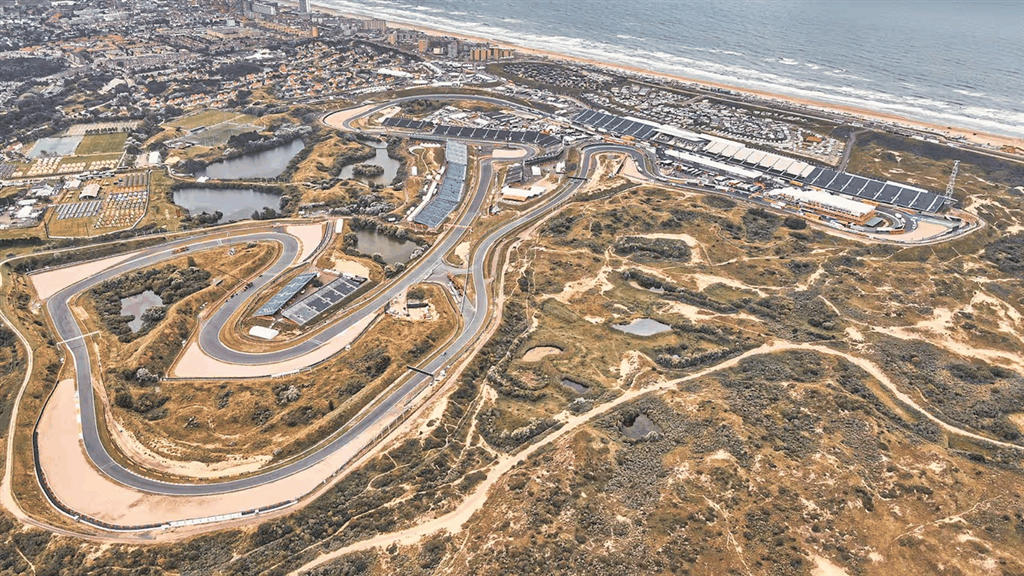
The first cars may find less grip than the drivers who run later. Teams must therefore compare lap times with track conditions instead of reading the timing screen as a simple ranking. Tyre preparation is another difficult choice. A driver needs enough temperature for the opening corners, but an aggressive out-lap can reduce grip before the final sector. The banking adds load to the tyres and makes a small temperature error more visible than it would be on a flat circuit.
The third factor is the Sprint parc ferme process. Once the competitive sessions begin, setup freedom becomes limited by the regulations. Engineers must distinguish a real weakness from a temporary change in wind or traffic before they commit to an adjustment. Friday will not identify the final winner by itself. It will show which teams arrived with a reliable simulation and which teams need track time to understand the car. At this format, preparation completed before the event can be as important as the work completed in the garage.
Weather information must reach the driver quickly
Conditions can differ between the pit lane and the far side of Zandvoort. Engineers receive wind and rain data from several points, while the driver reports grip from the previous lap. The team must combine those messages into one clear instruction. A forecast is useful for strategy, but the current track decides the next corner. Drivers need exact warnings about a wet sector or a stronger crosswind. A long radio message adds workload when the car is already close to the limit.
The compressed Friday makes that communication more important. One interrupted lap may remove the only planned comparison between two setups. A quick decision about whether to continue, cool the tyres or return to the garage protects the limited running time.


No Comments