
Kimi Antonelli arrives at the Azerbaijan Grand Prix with an 81-point championship lead after consecutive victories. Baku has not started yet: practice begins on September 24, qualifying follows on September 25 and the race is scheduled for September 26.
The lead changes the calculation
Antonelli can protect a large advantage without driving passively, because avoiding a major loss is now part of the title task. Track position, tyre condition and energy deployment will determine whether the planned advantage survives once the field reaches racing speed. The final decision should follow evidence from the car rather than the expectation created before the weekend began.
The team still needs pace that allows him to choose position rather than spend the race recovering through traffic. The engineering target is a predictable car through the full sequence, not a single impressive number produced in ideal conditions. A measured programme leaves enough laps to verify the change instead of reacting to one isolated sector time.

Baku punishes small errors
The circuit combines a very long straight with a narrow old-city section where confidence and precision must coexist. Any gain must remain available across changing fuel loads, because a narrow setup window can disappear as the circuit evolves. Small operational errors can erase a technical gain, so preparation in the garage and on the pit wall remains just as important.
A setup focused only on top speed can make direction changes and traction harder in the sections that create the run onto the straight. Drivers need confidence at the braking point before they can use the available performance without creating unnecessary tyre stress. Clear radio language matters because the driver must describe the balance before engineers can choose the correct adjustment.
Two consecutive wins create momentum
Victories in Italy and Madrid confirm strong recent form, but they do not provide a shortcut through a different street circuit. The first reliable comparison will come from repeated runs on the same compound with weather and traffic taken into account. Long-run consistency will show whether the car protects its tyres while maintaining the balance needed in the final sector.
The first practice sessions will show whether the balance transfers or requires a careful new baseline. A clean procedure gives the pit wall time to react instead of forcing several corrections into the same lap. The championship picture rewards steady points, but the weekend still demands precise decisions at every stage.
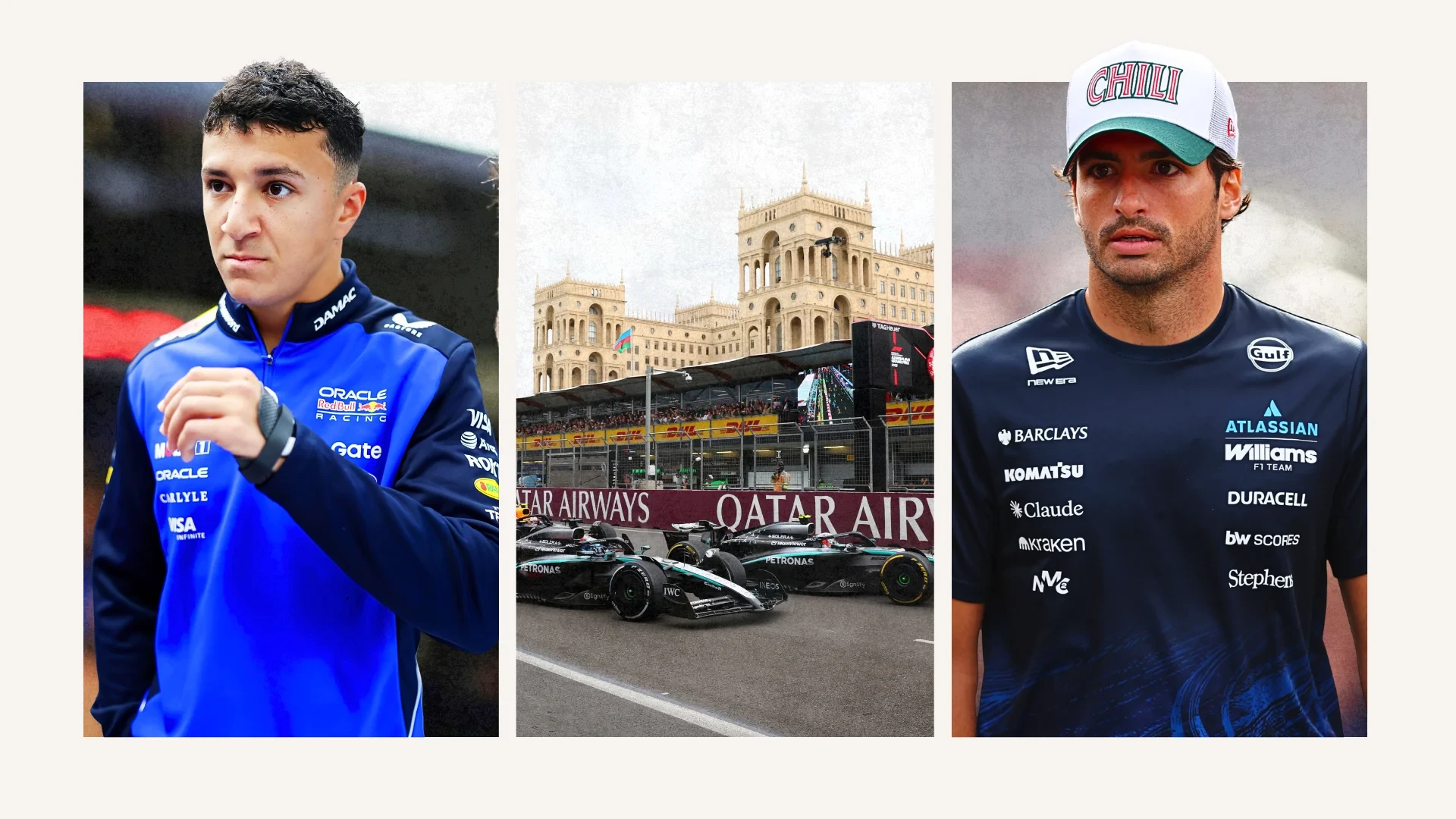
Rivals need a clean weekend
McLaren, Ferrari and Red Bull can reduce the margin only by converting their opportunities while Antonelli remains consistent. Teams will compare simulation targets with real track data before deciding whether the original setup direction remains valid. The team also needs a fallback setting in case wind, temperature or track evolution moves the car outside its preferred window.
That pressure may influence tyre timing and qualifying risk before the championship leader needs to react. The useful margin is the one a driver can reproduce through traffic, changing grip and the pressure of a competitive session. Traffic can hide the value of a setup change, so comparable laps are more useful than the fastest isolated sector.
The timetable leaves no room for confusion
No Baku result is available before the scheduled sessions, so the current picture is limited to the standings and preparation. Reliability remains part of performance because an aggressive target has no value if temperatures or components cannot sustain it. Practice data should narrow the choice, while qualifying and the race will provide the only meaningful verdict on execution.
Once the cars run, lap evidence can replace expectation and show whether the preparation worked. Qualifying pace and race pace can demand different compromises, especially when overtaking depends on straight-line efficiency. Brake temperature and tyre preparation must be ready together before the driver attacks the first timed lap.

No Comments