
Formula 1’s Azerbaijan Grand Prix weekend will run from Thursday, September 24 through Saturday, September 26. Practice begins on Thursday, qualifying is scheduled for Friday and the 51-lap race starts at 15:00 local time on Saturday. None of those sessions has happened yet. The unusual programme matters because teams and viewers must move their normal preparation one day earlier, while the Baku City Circuit still presents the familiar conflict between straight-line speed and control near the barriers.
The whole weekend moves forward by one day
Two practice sessions are scheduled for Thursday, with final practice and qualifying on Friday. The race follows on Saturday rather than the usual Sunday slot.
Teams must complete setup decisions sooner because there is no extra conventional day between opening practice and qualifying. Viewers should use the official local conversion instead of assuming the familiar weekly rhythm. The full programme moves one day earlier than a conventional Formula 1 weekend. Practice begins on Thursday, qualifying follows on Friday and the Grand Prix takes place on Saturday. Teams and viewers must adjust their routine because the decisive sessions arrive sooner. Preparation work that would normally continue into Friday evening has to be completed before qualifying begins, leaving less time to recover from a disrupted first day. The unusual timetable also changes recovery for mechanics and engineers. Work that normally follows Friday practice moves into Thursday evening, and any repair must be completed before an earlier qualifying day. Teams need spare parts and decision chains prepared in advance. A delay caused by one damaged component can consume a larger share of the available weekend than it would under the conventional Friday-to-Sunday pattern.
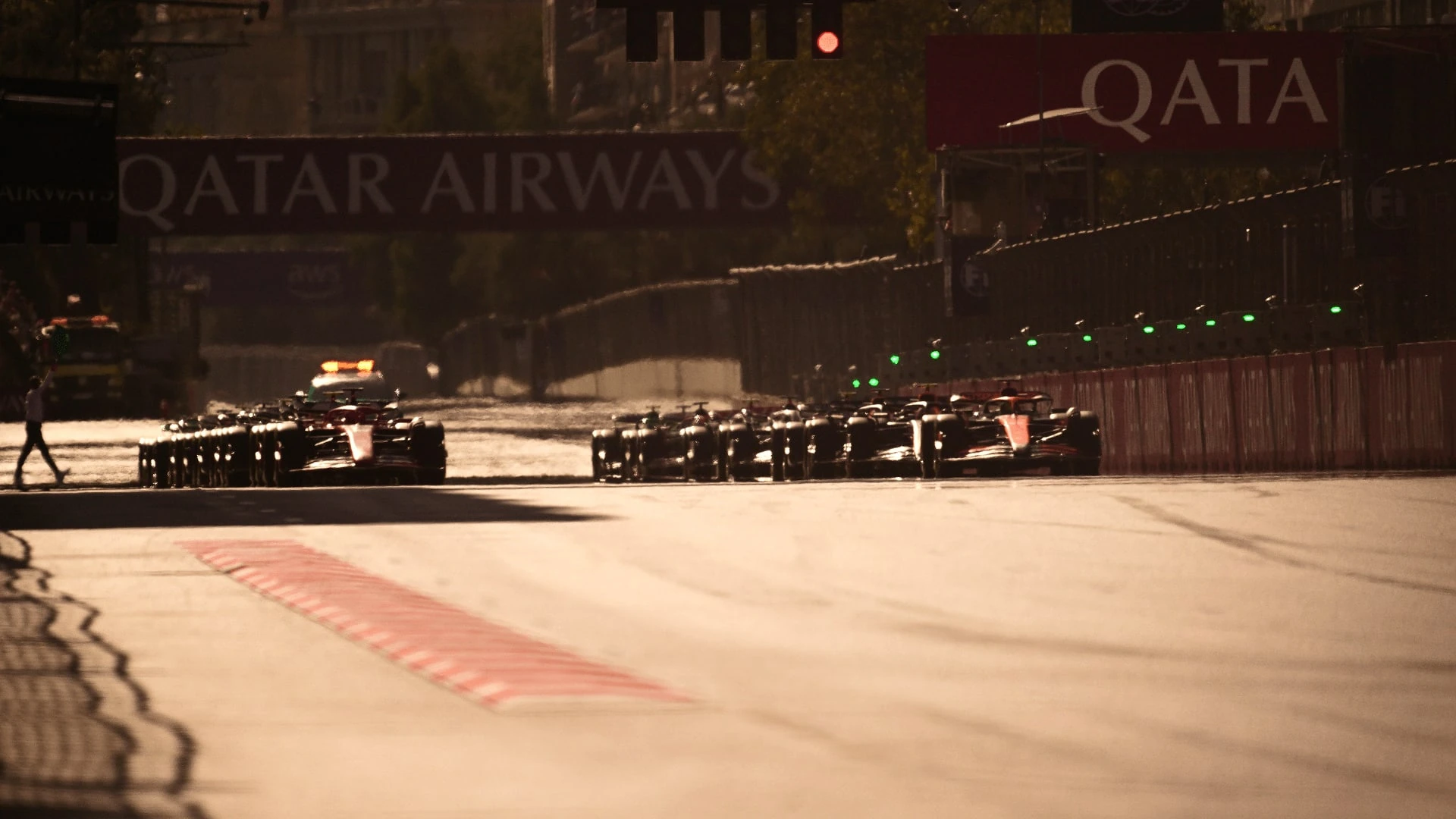
Six kilometres contain opposite demands
Baku’s long flat-out section rewards low drag and strong deployment from the power unit. The old-city sequence is narrow and asks for precise steering at lower speed.
A car trimmed only for the straight can become difficult under braking and through the tighter corners. Setup work is therefore a compromise whose value may change with wind and track temperature. The circuit’s long straight rewards low drag, while the castle section and slow ninety-degree corners demand braking stability and traction. A car that gains speed on the main section may become harder to place near the walls. Teams must choose a compromise that drivers can trust over a race distance, not merely the setting that produces the highest speed at one measurement point. Safety cars and red flags remain realistic possibilities on a narrow circuit with long recovery points. Strategy groups must prepare tyre and pit-stop responses without relying on a single predicted race shape. Track position matters, but an early stop can become expensive if the field is neutralised at the wrong moment. Flexible planning is more valuable than a perfect calculation built around uninterrupted running.
| Session | Baku local time |
|---|---|
| Practice 1 | Thursday 12:30 |
| Practice 2 | Thursday 16:00 |
| Practice 3 | Friday 12:30 |
| Qualifying | Friday 16:00 |
| Grand Prix | Saturday 15:00 |
Barriers increase the cost of lost preparation
A mistake can end a session and remove laps needed for tyre or fuel comparisons. Drivers must build speed while engineers complete programmes on a compressed schedule.
Traffic also complicates qualifying because a tow can help on the straight while a slow car damages preparation for the lap. Clean communication becomes as important as raw pace. Street-circuit barriers make every lost lap expensive. A small error can damage a suspension, interrupt another team’s run or remove the exact tyre data needed for race planning. Drivers should build speed in stages while engineers keep run plans simple enough to recover after a red flag. The compressed schedule increases the value of a reliable opening session because there is little spare track time before the grid is set.
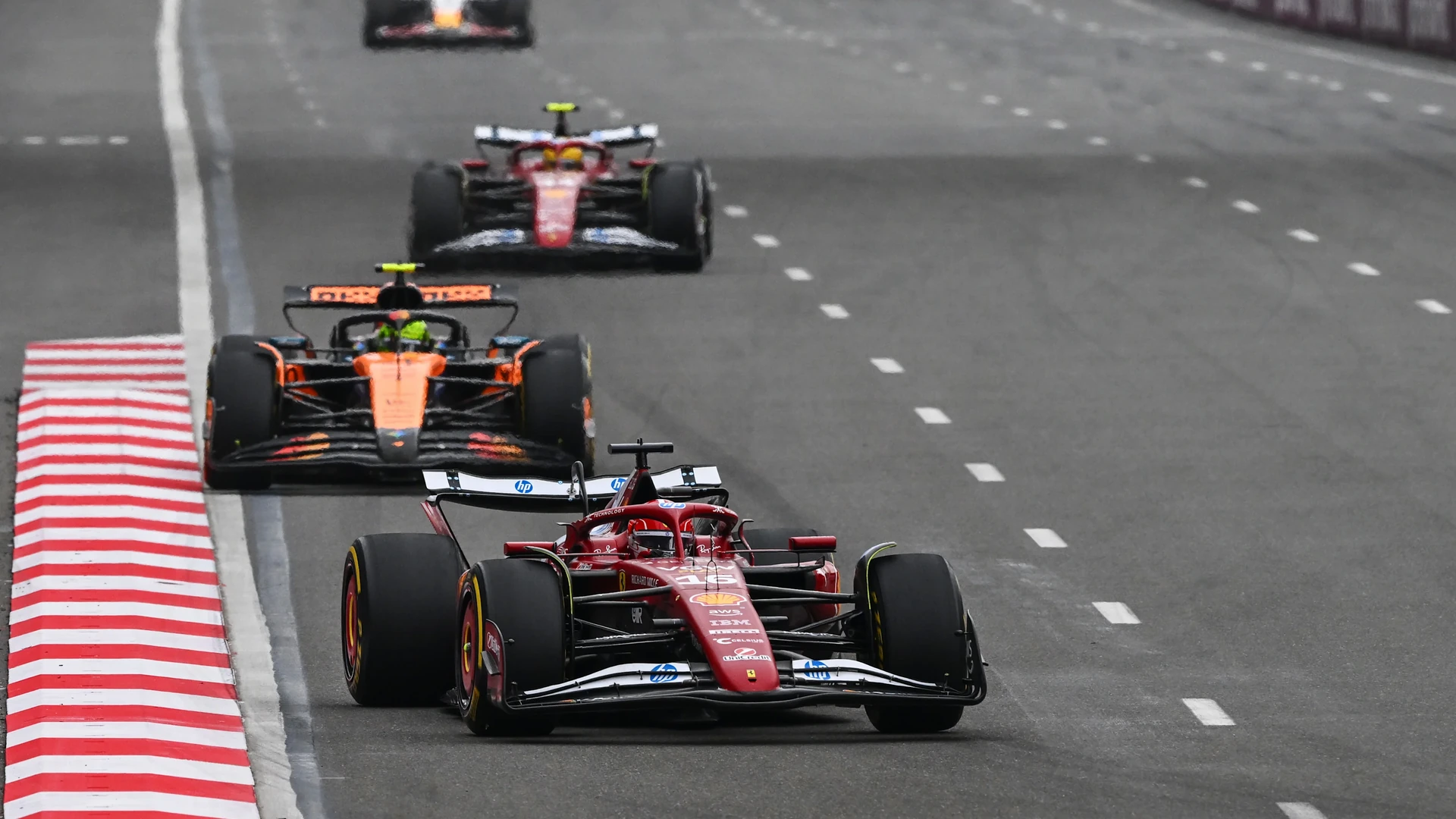
The preview must remain separate from the result
No 2026 Baku classification exists before the sessions begin. Past unpredictability explains the circuit’s reputation but does not identify this year’s winner.
Weather, reliability and the effect of new packages will become facts only on track. For now, the confirmed information is the timetable, the 51-lap distance and the challenge presented by the 6.003-kilometre circuit. This guide describes the confirmed timetable and the demands of the venue before competition starts. It should not imply that practice, qualifying or the race has already produced a result. Once cars run, official classification and current team reports must replace preview assumptions. Keeping that boundary clear allows the article to remain useful now without inventing a winner or treating a planned upgrade as proven performance.

No Comments