
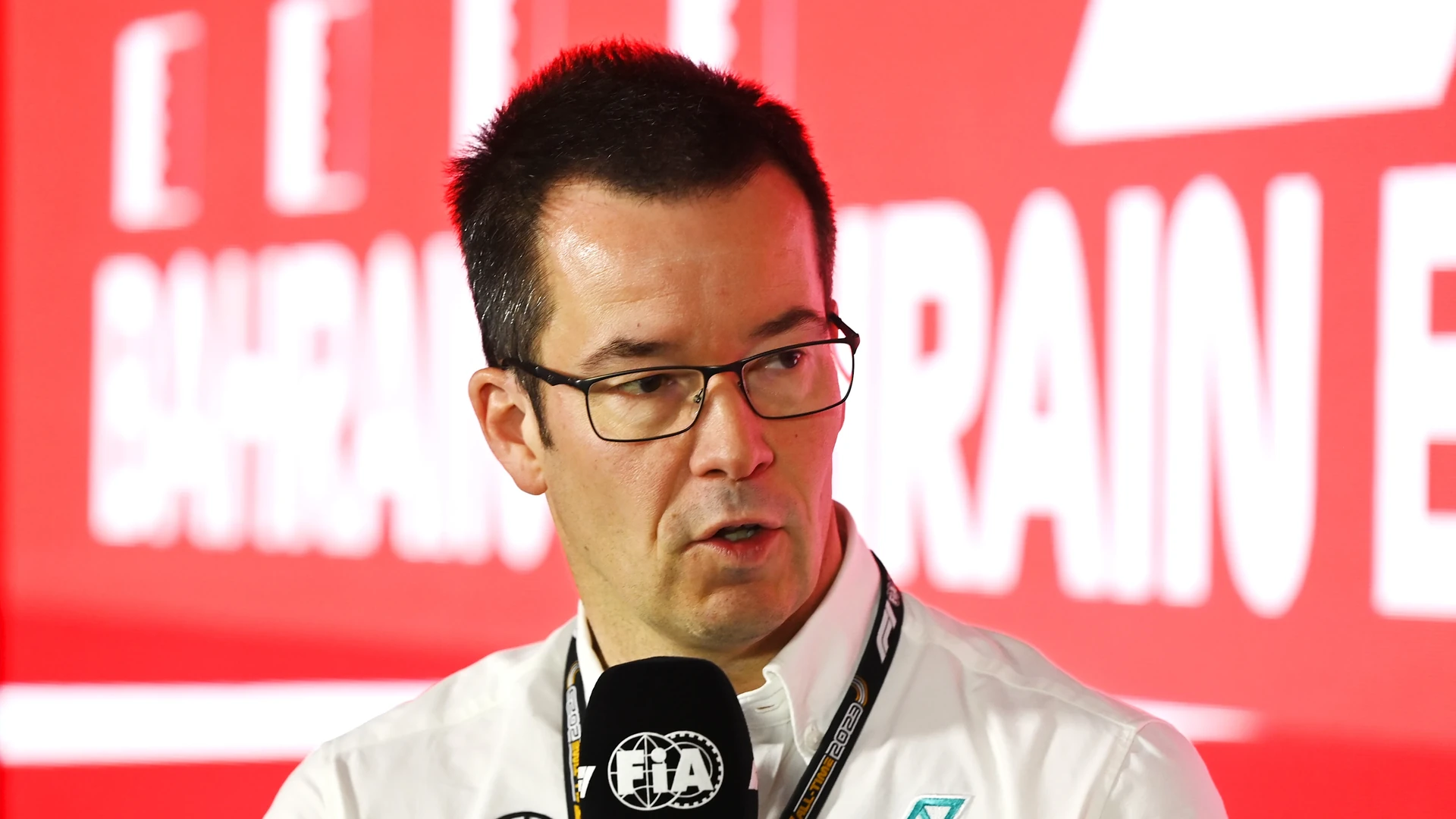
Alpine has appointed Mike Elliott as chief technical officer, bringing the former Mercedes technical leader back to Formula 1. Elliott will oversee technical and engineering functions at Enstone after a career spanning McLaren, Renault and Mercedes. The appointment is complete rather than speculative, and Alpine says it is intended to strengthen the team’s attempt to close the gap to the leading four. His first challenge is organisational: a senior title only helps when aerodynamic, vehicle performance, design and trackside groups share priorities and evidence.
Elliott returns with knowledge of different team models
His career began in aerodynamics at McLaren before work at Renault and a long period in senior Mercedes roles. That path provides experience of successful structures as well as the difficulty of changing a car concept under pressure.
Past titles establish credibility but do not guarantee that the same solution fits Enstone. The useful skill is recognising which principles transfer and which processes must be rebuilt around Alpine’s current people and tools. Elliott has worked inside teams with different facilities, reporting lines and competitive positions. That experience can help him identify a principle that transfers without copying a structure that suited another factory. Enstone’s existing people and tools must shape the final organisation.
The technical director must coordinate every engineering department
Aerodynamics, mechanical design and vehicle dynamics can pursue individually sensible ideas that do not improve the complete car. A chief technical officer helps define the shared performance question and the order in which departments answer it.
Clear sign-off prevents late changes from creating new packaging or reliability problems elsewhere. The role is strongest when specialists keep authority over detail while the overall direction remains coherent. Coordination does not mean removing authority from specialist leaders. It means agreeing on the main performance problem, the evidence required and the order in which departments respond. Clear ownership can stop one late change from creating packaging, production or reliability issues elsewhere.
| Technical area | What alignment should improve |
|---|---|
| Aerodynamics | Verified load across conditions |
| Vehicle performance | One interpretation of simulation and track data |
| Design and production | Fewer late conflicts between parts |
| Track engineering | Setups that use the intended car characteristics |
Simulation, wind-tunnel and track data must agree
Wind-tunnel, simulation and track results need to describe the same behaviour closely enough for upgrades to be trusted. When correlation is weak, the team can spend resources fixing a symptom that exists only in one tool.
Elliott’s oversight can help decide whether the problem lies in measurement, modelling or the physical part. A slower but verified step is often more valuable than a dramatic update whose effect cannot be explained. Correlation is strongest when the team understands why wind-tunnel, simulation and track results agree, not only that one update produced a better lap time. A mismatch must be traced to the model, the measurement or the physical component. Verified progress gives the next development step a firmer base.
Drivers need a predictable platform
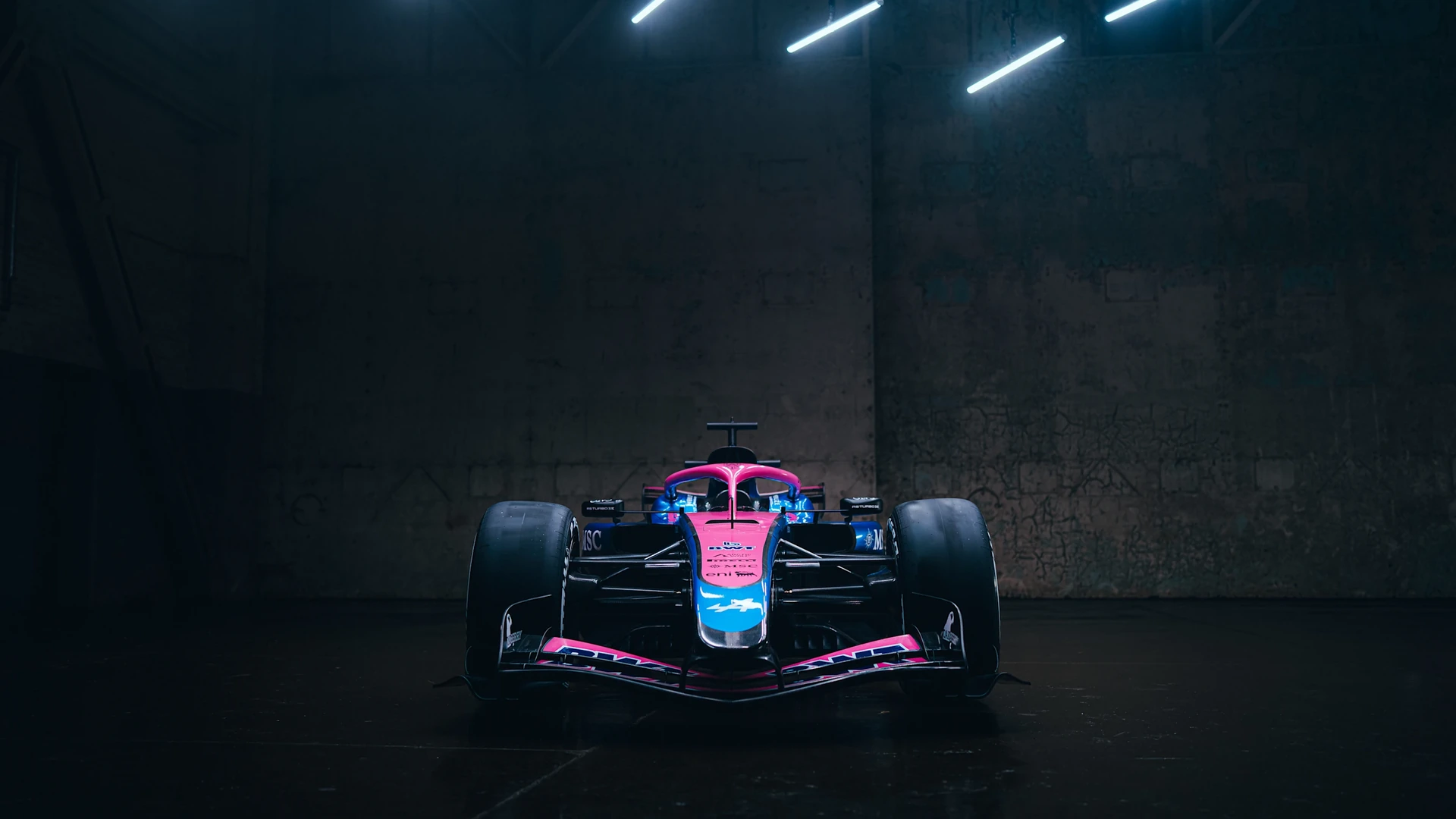
Pierre Gasly and Franco Colapinto can attack more consistently when balance changes are progressive and understandable. A car that produces surprise instability forces the driver to leave margin and makes setup comparisons less reliable.
Technical progress should therefore be measured through confidence and repeatability as well as peak downforce. The fastest theoretical configuration has limited value if it cannot be used across a qualifying lap or a race stint. Gasly and Colapinto need a car whose response remains understandable as fuel, tyres and conditions change. Predictability lets a driver approach the limit and gives engineers cleaner comparisons between setups. Peak performance is less useful when the balance changes suddenly and forces a large safety margin.
Closing the gap to the leading teams will take time
Alpine’s stated objective is ambitious and cannot be achieved through one appointment or one upgrade. Facilities, recruitment, production speed and track operations all influence whether an idea becomes a result.
Elliott can improve alignment, but the organisation must provide enough time and stable priorities for the work to settle. Public assessment should follow trends across circuits rather than treating the first race after his arrival as a verdict. Closing the gap requires repeated development cycles, reliable production and clean race execution. Elliott can align priorities, but no senior appointment can compress every part of that work into one event. Progress should appear as fewer unexplained problems and upgrades that behave as expected across different circuits.
The appointment establishes clear technical responsibility
Alpine has now identified the leader responsible for overseeing Enstone’s technical and engineering functions. That clarity can shorten decision paths if authority and reporting lines are defined inside the factory.
It also gives the team a clear point from which to explain its technical direction without promising confidential details. The next evidence will be cleaner development steps and fewer weekends in which the car’s behaviour surprises its own engineers. The new role gives Alpine one senior point of responsibility across its technical departments. That can shorten decisions if authority and reporting lines are clear. The practical evidence will arrive when ideas move from simulation to the car with fewer conflicts and the track team understands the intended behaviour.
No Comments