
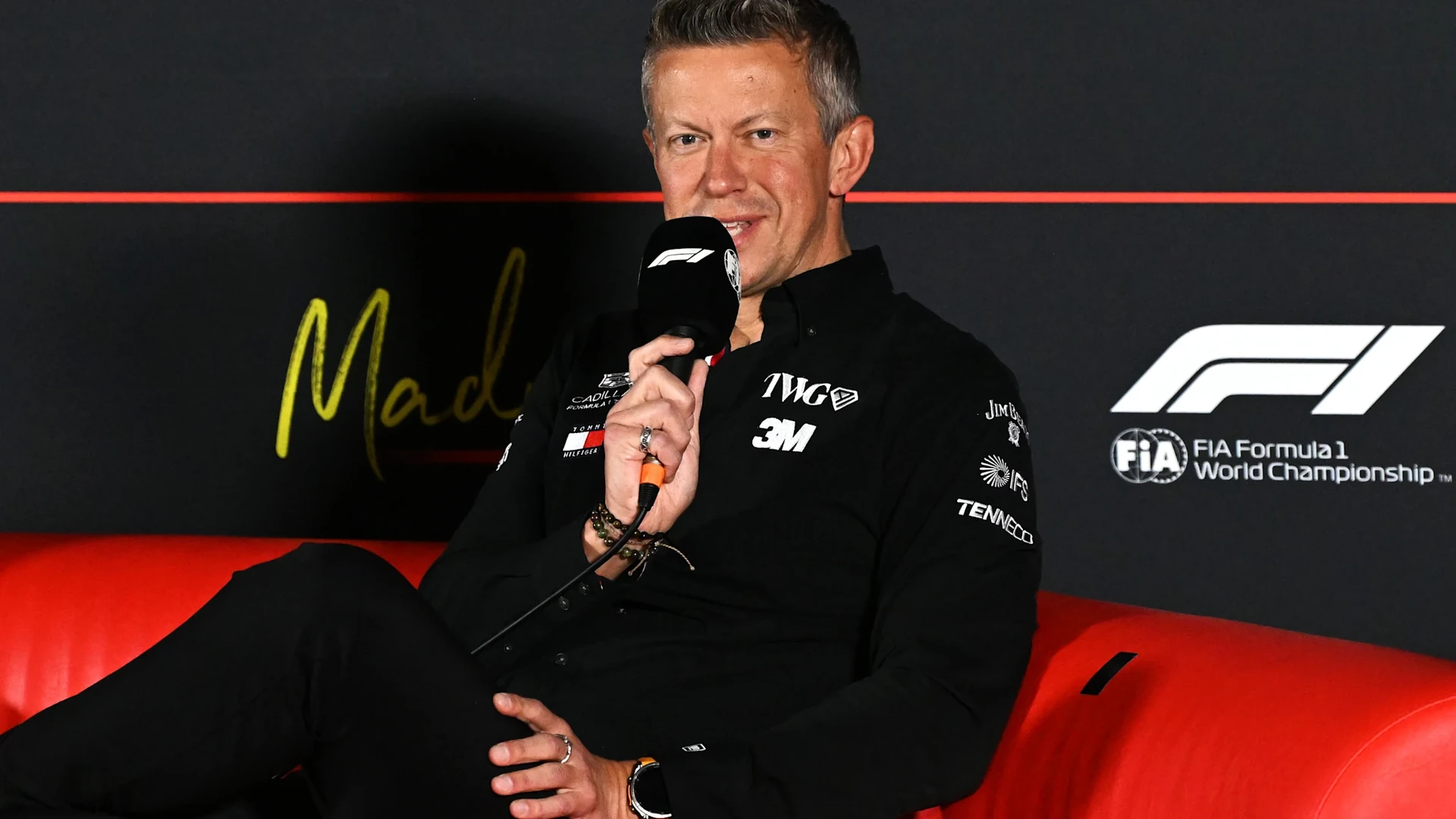
Marcin Budkowski has described his first month leading Cadillac as a rapid adjustment to the scale and pressure of a Formula 1 team. He took over before the Dutch Grand Prix and inherited a new operation still searching for its first points, with Valtteri Bottas’s 13th place in China remaining the team’s best finish. Budkowski’s priorities are practical: improve reliability, organise race weekends more clearly and develop pace without treating one strong session as a complete recovery. A new team needs all three because speed that cannot reach the flag produces little useful progress.
A new team quickly reveals weak links in its procedures
Cadillac is building processes while also competing against teams with years of shared routine. A delayed part, unclear decision or incomplete handover can cost track time even when the underlying car is capable.
Leadership must identify which problems come from structure and which come from the car itself. Treating every poor result as an aerodynamic failure would miss the operational work required to use available performance. A new Formula 1 team develops its procedures while every mistake is exposed during a live race weekend. Budkowski first needs to see where information slows down, which responsibilities overlap and which decisions reach the car too late. Fixing those paths can recover track time before a major technical update is available.
Reliability creates the data needed for development
A car that stops early denies engineers long-run information and prevents drivers from comparing setup changes. Completing practice and race distance gives the team a larger sample under different fuel and tyre conditions.
Reliability work may not produce an immediate headline lap time. It can still accelerate later development by allowing every session to answer the question it was designed to test. Reliability gives Cadillac more than a finish. Full practice and race distances provide tyre, temperature and balance data that engineers can compare across both cars. A failure interrupts that chain and can leave the next upgrade based on a smaller or less representative sample.
Better race operations can gain positions without a car upgrade
Tyre timing, pit calls and traffic management influence whether a car reaches the best result available that day. A new team cannot afford to lose a narrow opportunity through a slow procedure or a decision made after conditions have changed.
Clear responsibilities on the pit wall help information travel quickly without several people repeating the same analysis. Better organisation does not replace pace, but it prevents the team from wasting the pace it already has. Race operations can improve through rehearsed communication and a clear final decision maker. Strategy, weather and traffic information must reach the pit wall without unnecessary repetition. A clean call at the correct moment can gain a position even when the car itself has not become faster.
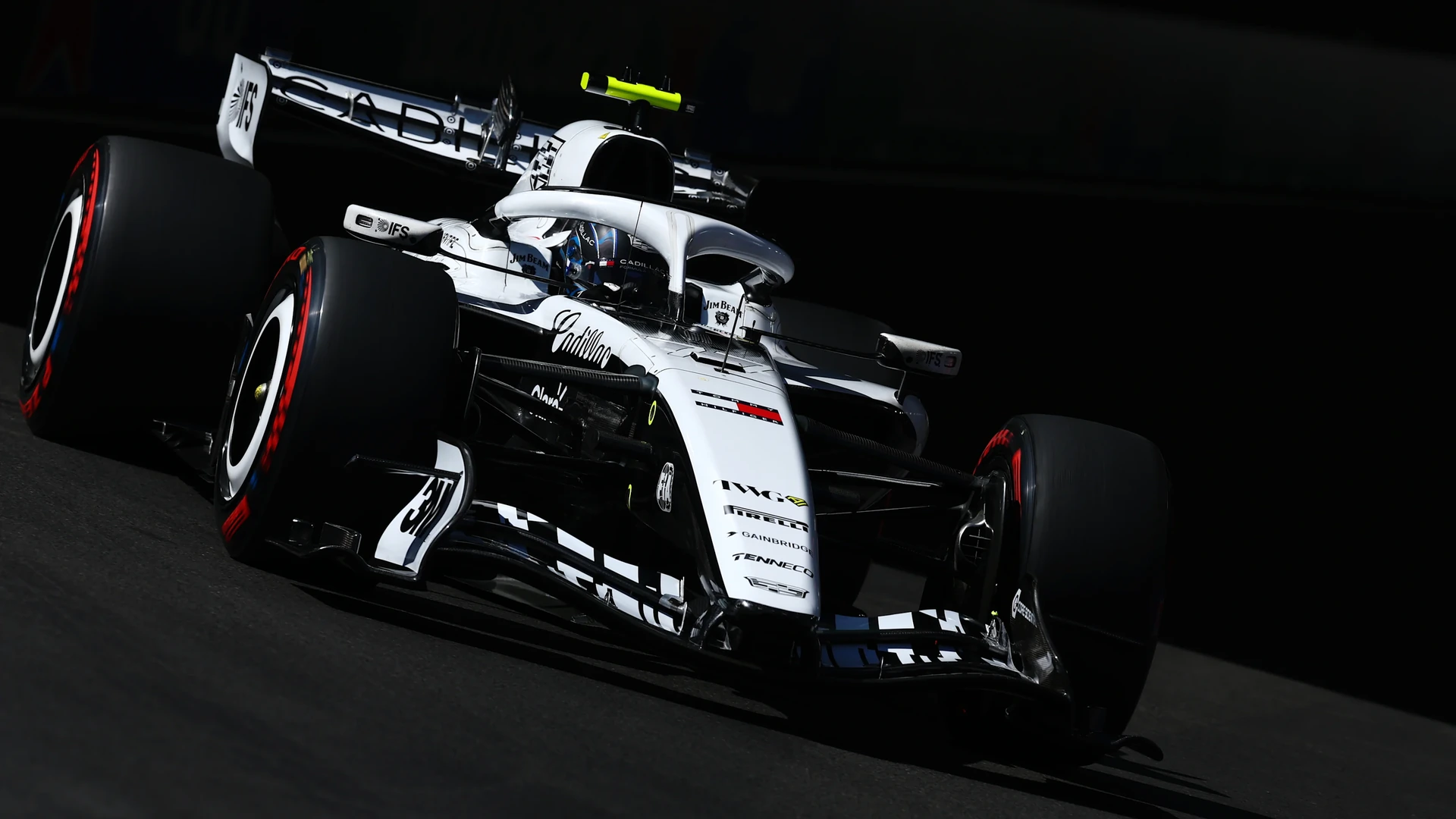
Bottas and Perez provide experienced feedback
Experienced drivers can describe not only what the car does but when the behaviour begins and which compromise remains manageable. Their comparison is useful when both cars follow controlled test plans rather than unrelated changes.
Feedback still has to be connected to measurements before it becomes a development direction. The team gains most when driver language, simulator work and track data point toward the same weakness. Bottas and Perez can help distinguish a predictable weakness from a one-off reaction to setup or conditions. Their experience is most valuable when both programmes answer related questions and the feedback is tied to telemetry. Driver opinion then becomes evidence the technical group can use rather than two separate preferences.
Cadillac should pursue its first points without abandoning its plan
Cadillac wants a visible result, but chasing one unusual strategy can distract from building a repeatable foundation. A points opportunity should be taken when race circumstances create it.
The organisation must also know whether that result came from genuine progress, attrition or a rare weather sequence. Honest interpretation prevents a single finish from hiding problems that remain in ordinary conditions. The first points would be an important milestone, but the team must understand how they were earned. A result created by genuine pace has a different meaning from one produced mainly by retirements ahead. Honest interpretation keeps the development plan stable while allowing the pit wall to take any opportunity that appears.
Budkowski’s first task is to establish clear priorities
The first month has given the new leader an initial view of people, tools and decision paths. Changing everything at once would make it difficult to know which intervention actually helped.
Starting with reliability and clearer race-weekend work can create stable evidence before larger technical choices are made. Cadillac’s progress should be judged across several weekends, not through one session selected to support a simple story. Budkowski’s early priorities create an order for the work: finish sessions, improve decisions and then measure technical progress with better evidence. Trying to change every department immediately would hide which intervention helped. Cadillac need several weekends of consistent operation before one result can define the direction.
No Comments