
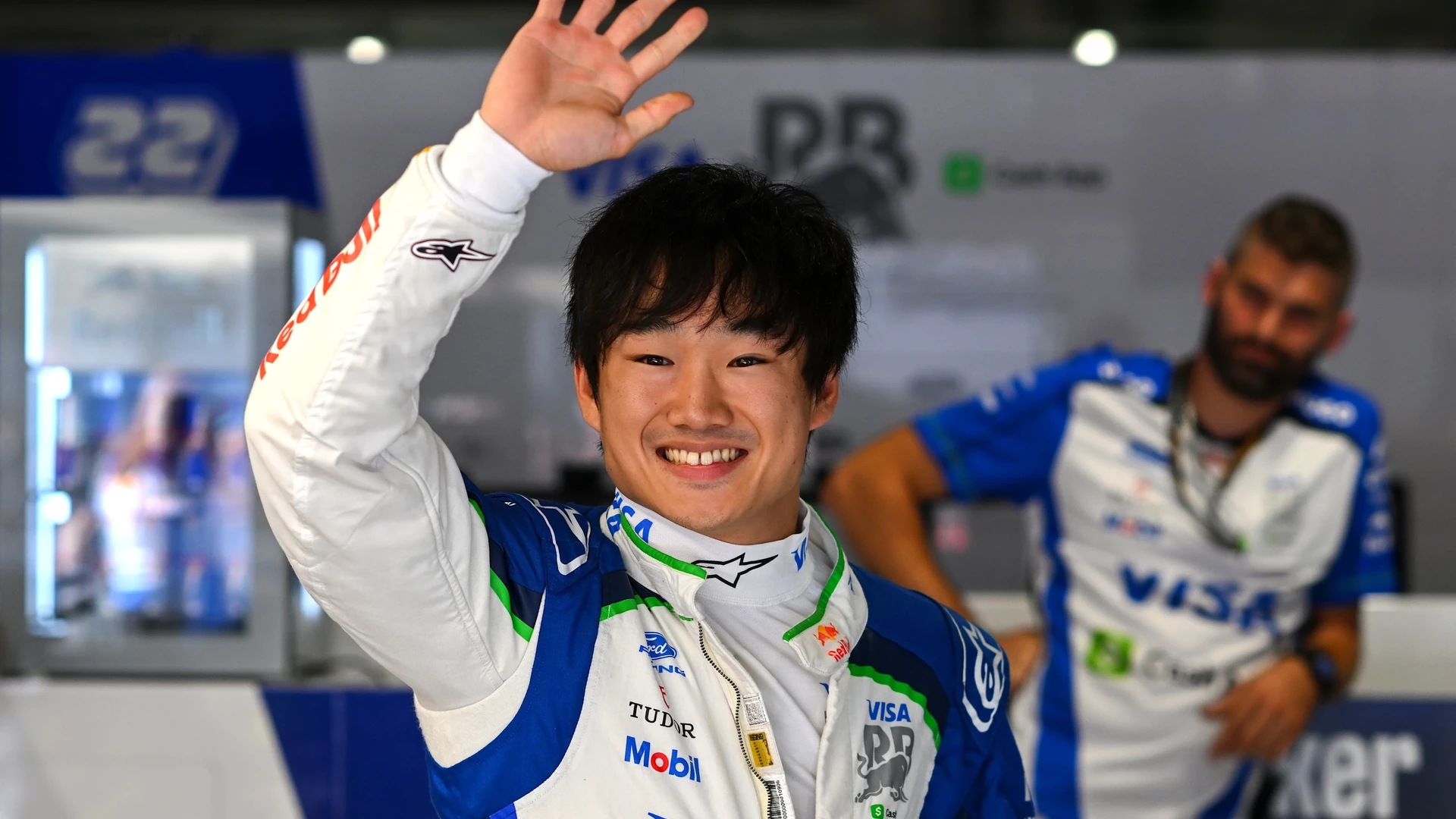
Yuki Tsunoda has identified the attempt to copy Max Verstappen’s setup as his biggest mistake during the 2025 season at Red Bull. Speaking after a three-race Racing Bulls return in 2026, he explained that the experience changed how he interprets data and protects his own driving strengths. Tsunoda is now Red Bull’s reserve driver and is trying to earn a full-time seat for 2027. His account is valuable because it separates useful learning from direct imitation.
Similar data can hide a different requirement
Two drivers may brake at nearly the same point while asking the car for a different response during rotation. A setup that gives one driver confidence can remove the feedback another needs.
Tsunoda says he tried to reproduce Verstappen’s direction because the champion’s results carried obvious authority. The lesson was that comparison should identify principles, not erase a driver’s own method. Two drivers can describe the same corner differently because braking style, steering input and confidence alter what they need from the car. Copying Verstappen’s settings gave Tsunoda a reference, but it did not automatically provide the sensations required to use them. A setup is valuable when it helps the driver repeat a lap under pressure. Similar numbers on the screen can hide a balance that asks for a completely different technique. Working from his own baseline does not mean refusing information from Verstappen. Tsunoda can compare traces, steering inputs and braking points, then decide which element fits his method. The distinction lies between learning from evidence and copying the final setting without understanding the path that produced it. That approach should make technical feedback more useful to engineers as well as to the driver.
The 2025 season forced a difficult reassessment
Tsunoda joined Red Bull early in the campaign and scored in only part of his 21 Grands Prix. Verstappen’s stronger finish made the contrast more visible.
Tsunoda says he gave everything even though the outcome cost him the race seat. That distinction allows him to examine a technical mistake without pretending effort was absent. The difficult 2025 period forced Tsunoda to identify which compromises belonged to the car and which came from trying to imitate another driver. That distinction is uncomfortable but useful. It encourages more precise feedback about entry stability, rotation and traction instead of a broad request for the fastest available configuration. The lesson is not to ignore a successful teammate; it is to understand why a setting works before adopting it. A difficult car can encourage constant setup changes, but too many changes at once remove the ability to identify cause and effect. Tsunoda’s later method depends on smaller steps and a clear record of what each adjustment changed. Even when the lap time does not improve immediately, dependable feedback narrows the next choice and reduces the chance of returning to the same unsuccessful direction.
The Racing Bulls return tested the lesson
An injury opened three 2026 races for Tsunoda in a different generation of car. He had little preparation and even faced a Sprint format with reduced practice time.
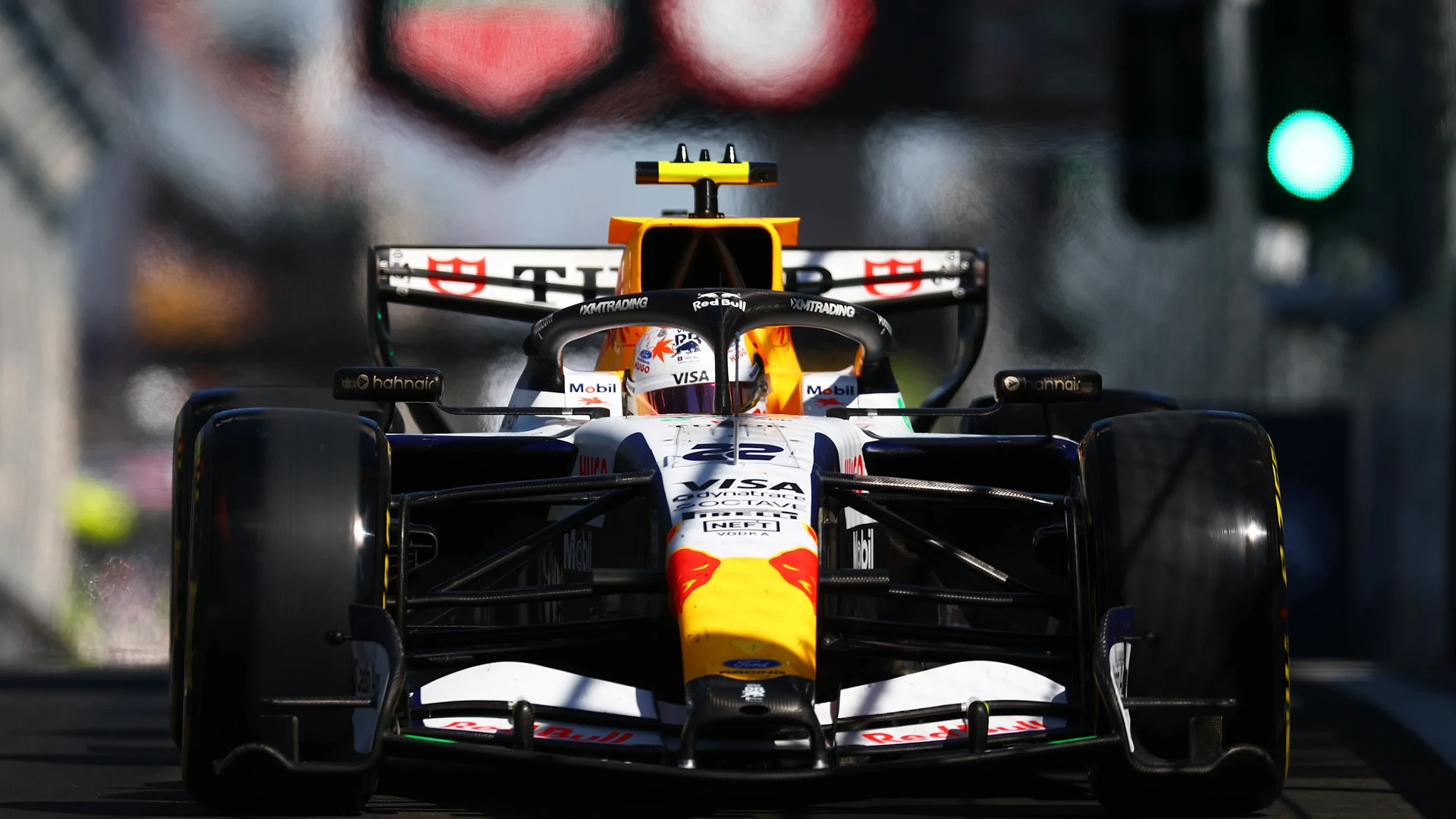
Points at Monza gave him a result that felt especially valuable after time away. The calmer response suggests that the previous struggle improved how he enters an unfamiliar setup conversation. Returning to Racing Bulls created a practical test because Tsunoda had to build confidence around a different baseline. The work could begin from his own braking and steering preferences, then move toward the lap time through measured changes. Progress in that environment supports his argument that the Red Bull struggle improved his technical understanding. A cleaner process is meaningful even when the comparison between cars cannot be reduced to one result.
A 2027 return still depends on opportunity
Tsunoda’s stated priority is a full-time Formula 1 seat, but few openings remain. Reserve work and substitute appearances can provide evidence without guaranteeing a contract.
His strongest argument is adaptability combined with a clearer technical identity. The story is not a confirmed comeback; it is a driver explaining why one failed approach should make the next opportunity more productive. A possible 2027 opportunity remains dependent on seats, team priorities and current performance. Tsunoda can strengthen his case by producing clear feedback, consistent weekends and evidence that he now adapts without abandoning his own driving foundation. The interview should not be turned into a confirmed transfer. Its value is the explanation of a specific mistake and the method he believes will prevent it from being repeated.
No Comments