
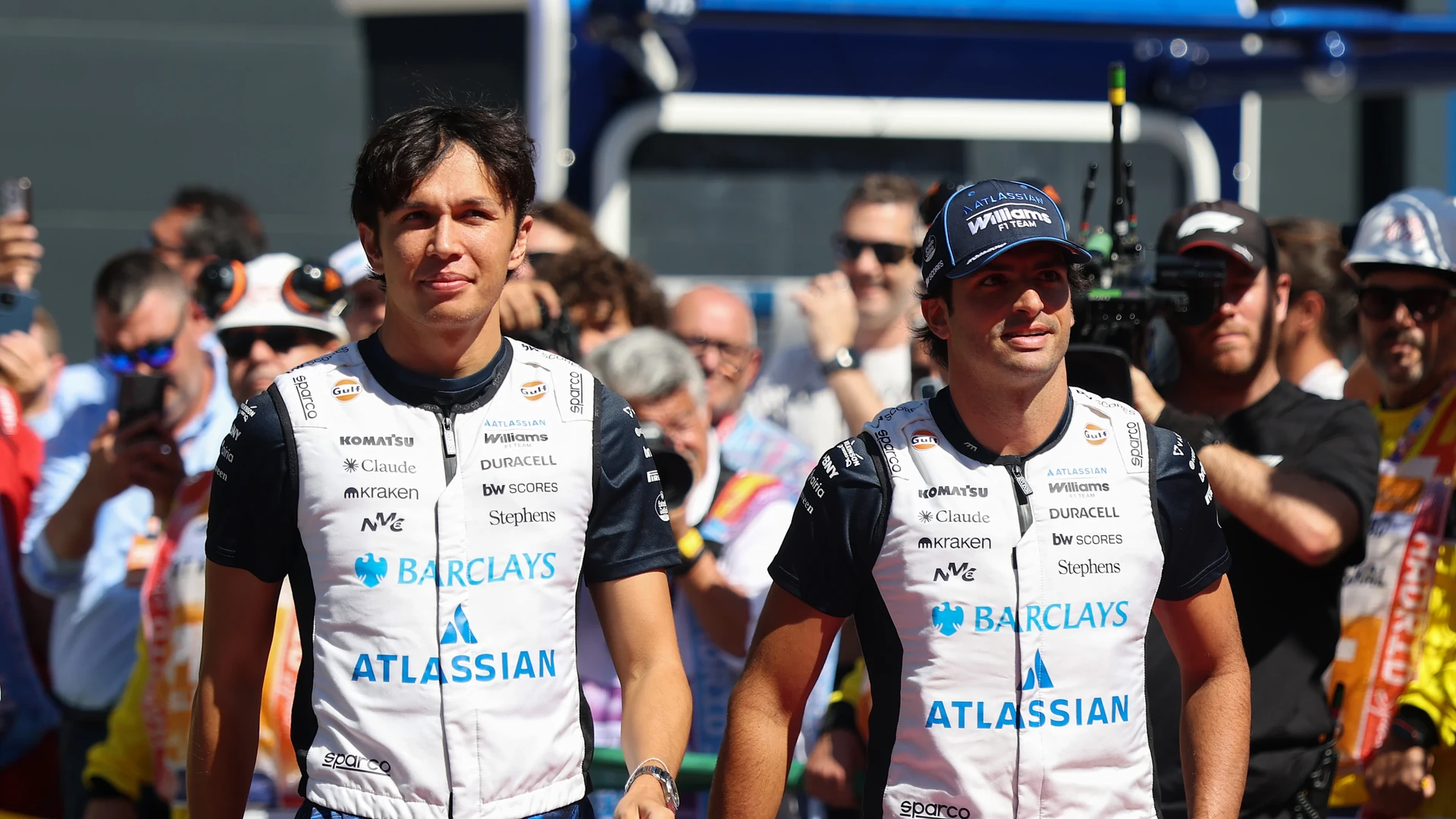
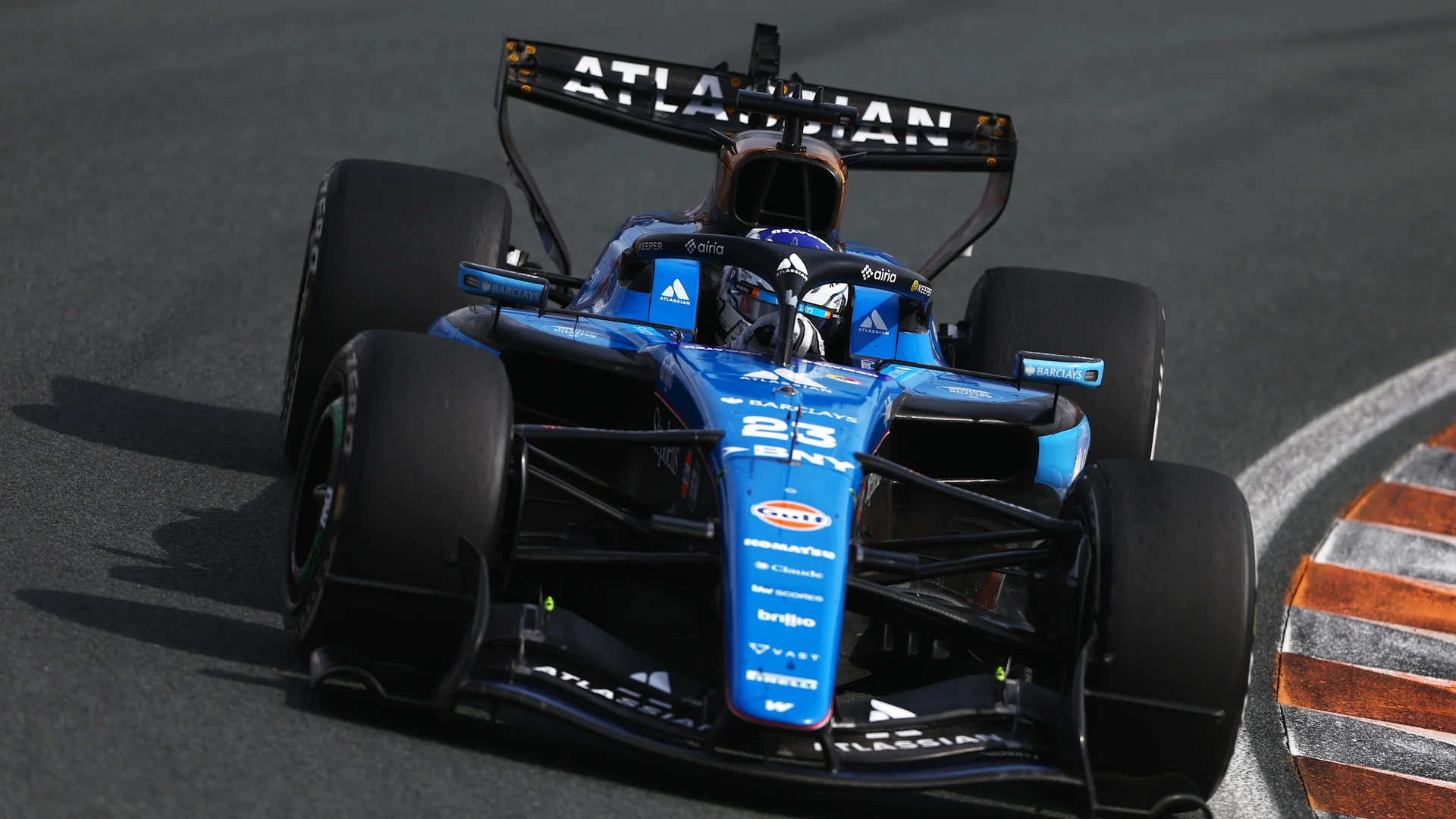
Williams will introduce its long-awaited major FW48 upgrade at the Azerbaijan Grand Prix. The package is intended to address performance and weight concerns that have left Carlos Sainz and Alex Albon behind the midfield more often than the team expected. The Baku weekend has not started, so the update cannot yet be called a success. Its importance comes from giving Williams a track test of work signed off months earlier while rivals have continued developing.
The package arrives after a difficult opening phase
Williams missed early preparation time and began the season with an overweight car and persistent handling limits. Smaller changes have appeared, including a revised front wing, while the larger package remained scheduled for Baku.
That delay concentrated more expectation into one weekend. Engineers now need clean runs before judging whether the simulation gains survive real track conditions. The delayed package arrives after Williams spent the opening phase learning where the FW48 loses time under different conditions. That extra evidence can help the team separate a fundamental limitation from a setup problem. New parts still need a clean comparison, so practice should include stable runs with useful fuel levels rather than constant changes that make the data difficult to interpret. The value of the upgrade will come from a consistent gain, not one eye-catching lap. Driver confidence will be part of the evaluation because an aerodynamic gain has little value if the balance becomes unpredictable near the limit. Both cars should provide feedback on the same changes where possible. Agreement between drivers can identify a broad improvement, while different reactions may reveal that setup range or driving style still controls how much of the gain is available.
Baku exposes efficiency and confidence
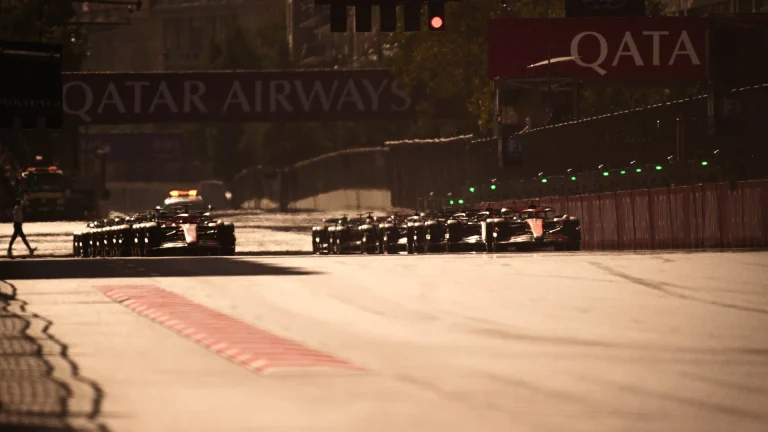
The circuit combines a very long straight with slow corners and a narrow section near the old city walls. Extra downforce is useful only if it does not create too much drag on the flat-out section.
Drivers also need predictable braking and traction because the barriers leave little room for correction. A balanced improvement will therefore matter more than one impressive speed figure. Baku combines a long full-throttle section with slow corners where confidence under braking matters. More efficient bodywork can support straight-line speed, but the driver must still rotate the car near walls without losing traction on exit. Williams therefore cannot optimise one number in isolation. The package needs to improve the balance between drag, stability and tyre use across a lap whose two halves ask for very different behaviour. The team must also resist drawing a conclusion from the first timed lap. Baku evolves as rubber builds, wind changes along the straight and drivers use different engine modes or tows. A useful comparison needs several runs and the same reference conditions. The upgrade can then be judged through a pattern in the data rather than one position on a practice screen.
| Confirmed point | Status |
|---|---|
| Car | Williams FW48 |
| Upgrade debut | Planned for Azerbaijan GP |
| Main test | Track correlation and midfield gap |
| Result | Not known before the weekend |
Rivals moved while Williams prepared
A package that looked strong when approved can deliver a smaller relative gain after other teams introduce their own updates. Williams expects a step but has avoided promising an immediate jump through the order.
Practice comparisons should use similar fuel, tyres and conditions. Qualifying alone may not reveal whether the car has also improved through a full race stint. Rivals have already introduced developments, which makes the comparison as important as the absolute improvement. A quicker Williams may still lose relative ground if another midfield team advances further during the same period. Engineers will study sector traces, speed at the end of the straight and driver comments together. One qualifying position cannot explain the package because traffic, tow and track evolution have an unusually large effect in Baku.
The upgrade is also a test for future development
The team is already balancing current work with preparation for its next car. A successful correlation would validate tools and decision-making even if the FW48 does not become a regular points contender overnight.
A weak result would require separating circuit effects from a genuine development miss. Baku will provide evidence, but the correct verdict needs several sessions and careful comparison. The weekend also tests whether the development method points in a useful long-term direction. If track data matches the wind-tunnel and simulation expectation, Williams gains confidence in the tools used for later cars. A mismatch is not wasted information, but it requires an honest explanation before the same idea is carried forward. The Baku result matters; the quality of the correlation can matter for many more races.
No Comments