
Max Verstappen is due to make his 250th Formula 1 start at the Azerbaijan Grand Prix. The Baku race takes place on September 26, four days before his 29th birthday, and would make him the fifteenth driver to reach the milestone. The number describes unusual experience at a young age, but the immediate task remains a demanding street race in which preparation matters more than ceremony.
A milestone built across twelve seasons
Verstappen entered Formula 1 in 2015 and accumulated starts earlier than any previous driver approaching this mark. His record includes changing regulations, different team-mates and several generations of Red Bull machinery.
That continuity gives engineers a deep body of feedback when they prepare a difficult circuit. It does not remove the need to learn how the current car responds in Baku. A driver’s long record is most useful when his feedback stays precise. Instead of saying only that the car lacks confidence, Verstappen can describe whether the problem begins under braking, at the first steering input or when power is applied. That distinction helps Red Bull choose between mechanical and aerodynamic changes. It also reduces the risk of treating two different weaknesses as one setup problem.

Baku leaves little room for distraction
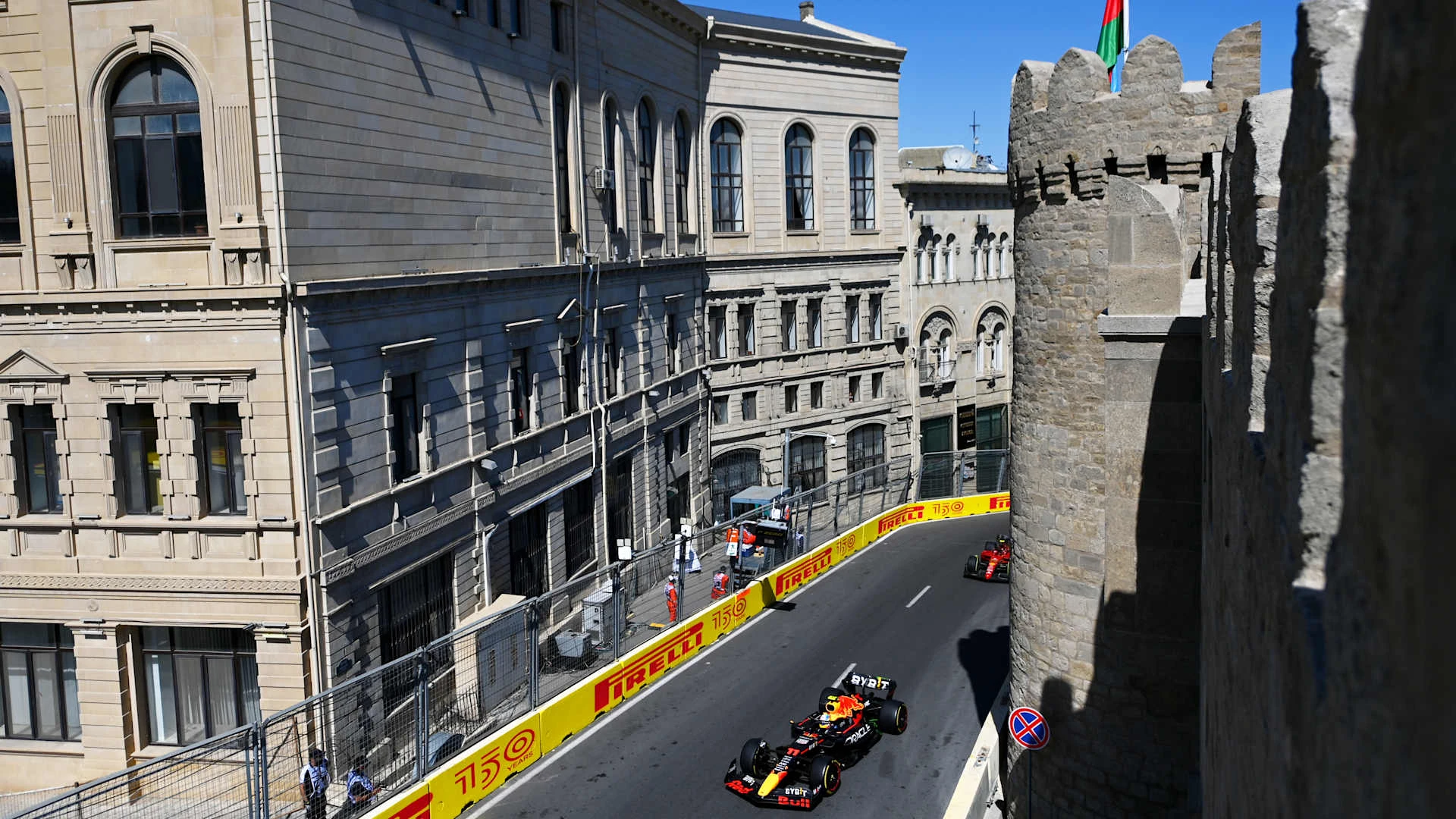
The circuit combines a very long straight with a narrow section beside the old city walls. Drivers need confidence under heavy braking without adding so much aerodynamic drag that the car becomes vulnerable on the straight.
Verstappen must separate the personal significance of the weekend from the normal sequence of practice decisions. A trouble-free first practice would be more useful than trying to mark the occasion with an immediate headline lap. The unusual Thursday-to-Saturday timetable changes the rhythm of the weekend. Practice begins on September 24, qualifying follows on Friday and the Grand Prix is held on Saturday. Red Bull therefore has one less familiar calendar cue to rely on. Engineers and drivers must keep recovery, briefings and preparation aligned with the official schedule rather than slipping into the routine used at most other races.
| Confirmed detail | Meaning |
|---|---|
| 250th Grand Prix start | Scheduled for Azerbaijan |
| Race date | September 26, 2026 |
| Age at the milestone | 28 |
| Place in F1 history | Fifteenth driver to reach 250 starts |
Experience helps when conditions change
Street surfaces develop quickly as rubber is added and support races use the circuit. Wind can also change braking references on the exposed waterfront section.
A driver with many starts can compare sensations without assuming an older setup will still work. The useful skill is recognising which lesson remains relevant to the present car. Traffic management will matter before the race begins. The lap is long, and drivers preparing their tyres can meet cars completing fast runs near sections where there is little space to move aside. Red Bull needs a clear plan for the final qualifying attempts, including the distance to the car ahead and the time required to cross the line. A fast package can still lose its opportunity if the release from the garage is poorly timed.
The statistic should not become a prediction
Reaching 250 starts confirms longevity but says nothing certain about the finishing position on Saturday. Safety cars, tyre temperature and the timing of a pit stop can reshape the race.
Red Bull still needs reliable execution from both the garage and the driver. The milestone will remain meaningful even if the competitive result is decided by another team. Race control may interrupt a session after even a small contact leaves debris or a stopped car beside the barriers. A shortened practice programme would force the team to prioritise the most valuable comparisons. Long runs, qualifying simulations and pit-entry checks cannot all receive unlimited time. Verstappen’s experience helps him deliver useful information quickly, but the garage must decide in advance which questions need answers first.
The youngest route to 250 stands apart
Sebastian Vettel was more than four years older when he reached the same total. Verstappen’s early debut explains part of that difference, while sustained participation explains the rest.
The comparison highlights how much Formula 1 experience he has gathered before turning 29. Baku now provides a fitting test because it rewards judgement developed over many different race situations. The milestone also shows how Formula 1 careers have changed. An early debut and a calendar containing more races allow totals to rise faster than in earlier eras, while reliability and continued selection remain necessary. The fairest reading is therefore simple: 250 starts confirm sustained work at the highest level. They provide context for Baku, but the next result will still be earned through the decisions made during this particular weekend.


No Comments