
Audi does not plan another major power-unit upgrade during the 2026 Formula One season. The manufacturer introduced a smaller change at the Spanish Grand Prix and will now direct its next large hardware step toward 2027.
The decision does not end development of the complete car. Audi still plans chassis updates during the second half of the season. It separates short-term aerodynamic work from the longer schedule required for engine hardware.
The update used in Barcelona improved power delivery
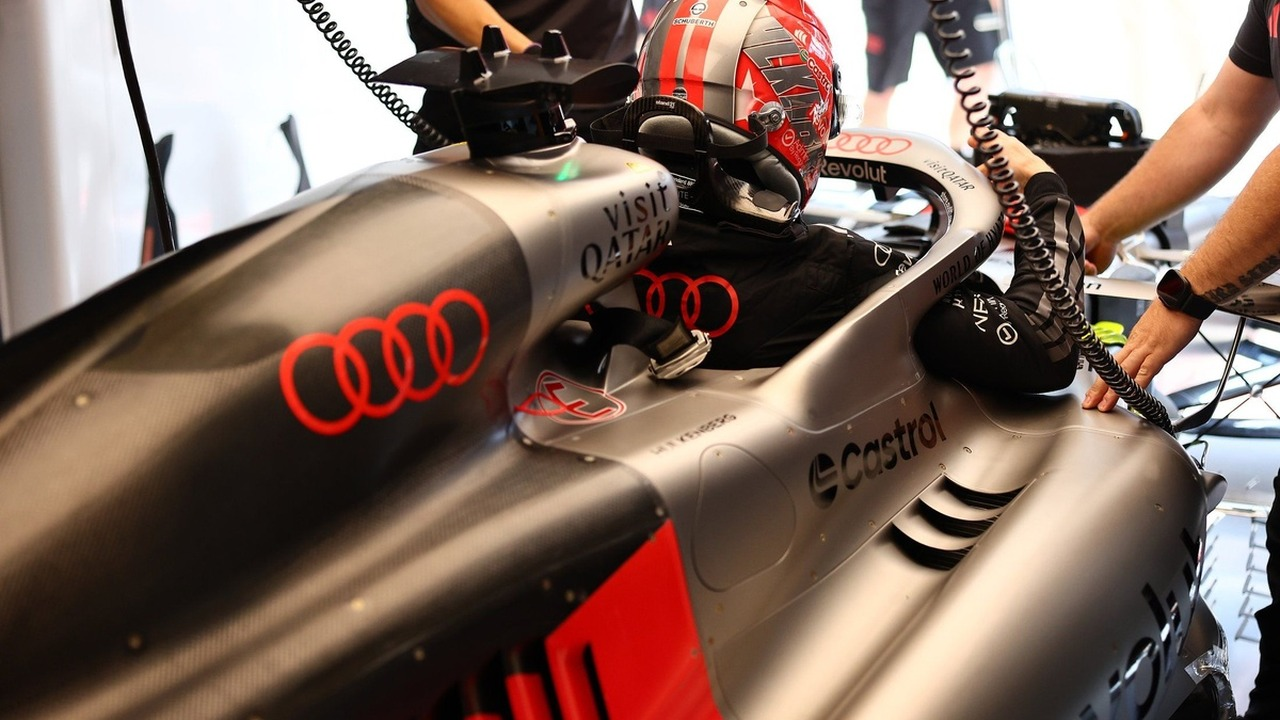
Audi used an available development opportunity to revise its power unit in Barcelona. Nico Hulkenberg described the main gain as better driveability. That term covers how smoothly the engine delivers power when the driver returns to the throttle. Predictable delivery helps the rear tyres maintain grip. It can also make the car easier to place during a corner exit. These gains may not appear as a large increase in peak speed, but they can improve confidence across a full lap.
The team scored more points after the update than it had during the opening races. Results still depended on the chassis, strategy and reliability. Audi therefore treats the change as one useful step rather than a complete solution.
Engine components require a longer development schedule
Power-unit parts need design work, bench testing and reliability checks before they reach a race car. A late 2026 package would use money and engineering time that could support a stronger 2027 design. Audi is managing its first season as both a Formula One team and an engine manufacturer. That creates more work than using an engine supplied by another company. The factory must understand every fault and every performance limit itself.
Competition also changes while Audi works. A target based on an early-season rival may be outdated when the new part is ready. The manufacturer must compare its plan with the rate of improvement shown by the leading engines.
| Area of work | Planned action |
|---|---|
| Power-unit components | Major update planned for 2027 |
| Chassis development | More updates during 2026 |
| Team operations | Reliable data collection at every race |
| Race weekend | Dutch Grand Prix with a Sprint |
The chassis programme remains active
Delaying the next engine step does not freeze the car. Audi can still change aerodynamic surfaces, cooling details and mechanical settings within the rules. These areas may deliver gains sooner than a new internal engine component. Zandvoort provides a useful test because the circuit includes banked corners, quick changes of direction and a short straight. A stable chassis can recover time even when the power unit is not the strongest in the field.
Engineers will also study tyre use over the Sprint weekend. One practice hour forces them to rely on simulation and earlier data. Any chassis update must behave predictably without a long track test.
Audi needs clear data before its 2027 update
Audi can use every remaining 2026 race to measure the current specification. Temperatures, energy use and component wear reveal which areas deserve priority. Reliable mileage is especially important for a young power-unit programme. The choice carries a sporting cost. Rivals may introduce improvements before the end of the year. Audi accepts that risk because a rushed part could offer little performance and reduce resources for the next campaign.
The strategy is therefore easy to state but difficult to execute. The current engine must complete the season, the chassis must continue to improve, and the 2027 unit must solve known weaknesses. Results next year will show whether Audi used the extra time well.
Reliable mileage can guide the next specification
Audi still has many opportunities to learn from the current unit. Different circuits expose different demands in energy recovery, throttle response, cooling and fuel use.
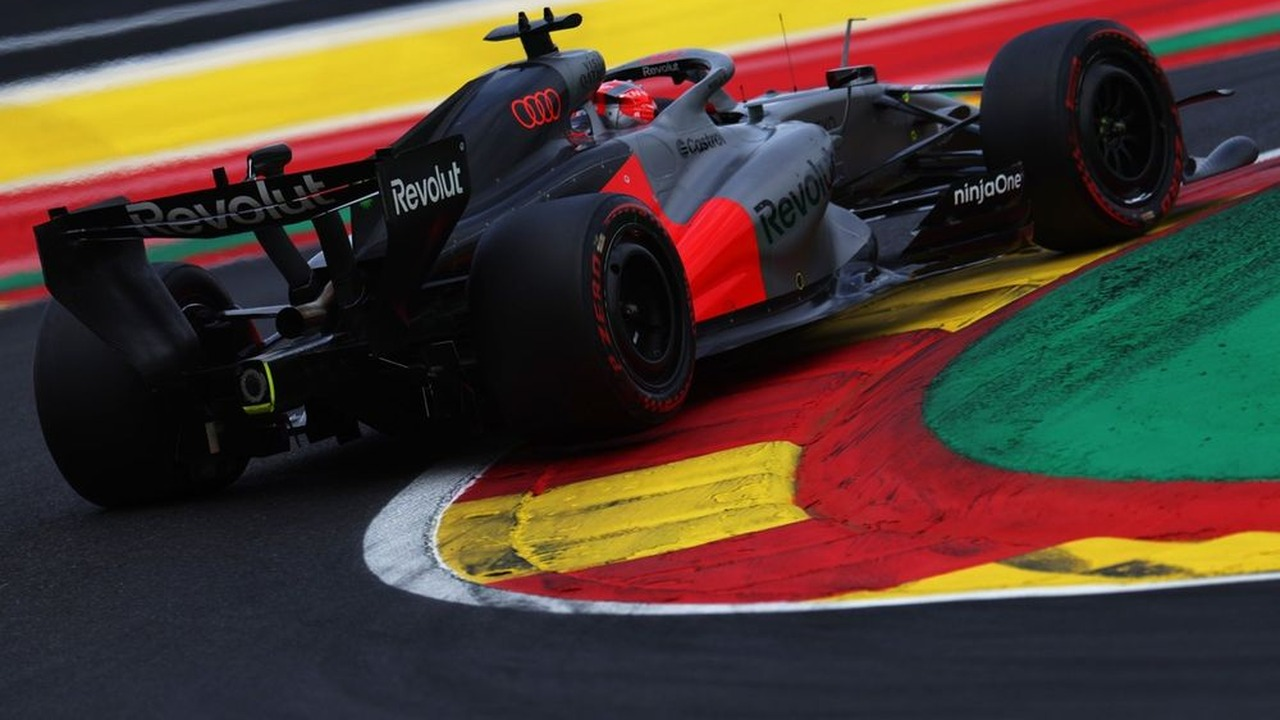
A complete set of race data can reveal a weakness that a factory test does not reproduce in the same way. The team also needs to understand how the engine and chassis affect each other. A cooling requirement can increase drag, while uneven power delivery can make rear-tyre wear look like a suspension problem. Engineers must identify the original cause before choosing the department that should change a part.
Reliability remains an essential part of overall performance. A faster component has limited value when it reduces running time or forces conservative settings. Keeping one specification for several races allows Audi to compare wear across a stable group of parts and estimate component life more accurately. The 2027 programme will therefore use more than a list of peak-power targets. It needs evidence about complete race periods, changing temperatures and repeated starts. The final months of 2026 can supply that evidence even if the major engine components remain unchanged.
Car settings can still improve performance
Keeping the same hardware does not mean using one fixed calibration. Engineers can adjust energy deployment, harvesting and driveability within the approved specification. Each circuit needs a different balance between acceleration, efficiency and battery use. Those settings must remain inside temperature and reliability limits. An aggressive mode may help one lap but create extra stress during a race stint. Audi needs performance that survives traffic, hot air from another car and changing weather.
Driver confidence can reveal a useful calibration gain. If power arrives predictably, the driver can return to the throttle earlier and repeat the same exit. That consistency helps engineers judge chassis changes because the engine response is no longer adding an uncertain variable.



No Comments