
Alisha Palmowski won the main F1 Academy race at Zandvoort on 23 August. She started from pole position, kept Alba Larsen behind at the first corner and led the race to the finish.
The result was Palmowski’s fourth victory of the season. Larsen finished second, and Nina Gademan completed the podium in third place.
Palmowski protected first place at the start
Larsen made a strong start and placed her car close to Palmowski before the first corner. Palmowski held the inside line and remained ahead without forcing either car off the track. That first decision shaped the race. Passing is difficult at Zandvoort because the circuit is narrow and many corners follow each other. The driver in front can control the line if she leaves the previous corner cleanly.
Palmowski did not create a large gap, but she avoided the small mistake that Larsen needed. Her braking remained consistent, and she kept enough speed through the banked sections.
Larsen stayed close for most of the race
Larsen continued to apply pressure instead of accepting second place. She remained close enough to use any error, but she also had to protect her tyres while following another car. Dirty air can reduce grip in quick corners. Larsen therefore needed to choose when to move closer and when to leave a small gap. Her second place extended a run of podium finishes and moved her to fourth in the standings.
Gademan finished third for MP Motorsport. It was her second podium of the weekend and gave the Dutch crowd another local result to celebrate.
Palmowski increased her championship lead
The victory moved Palmowski 48 points ahead of Emma Felbermayr.
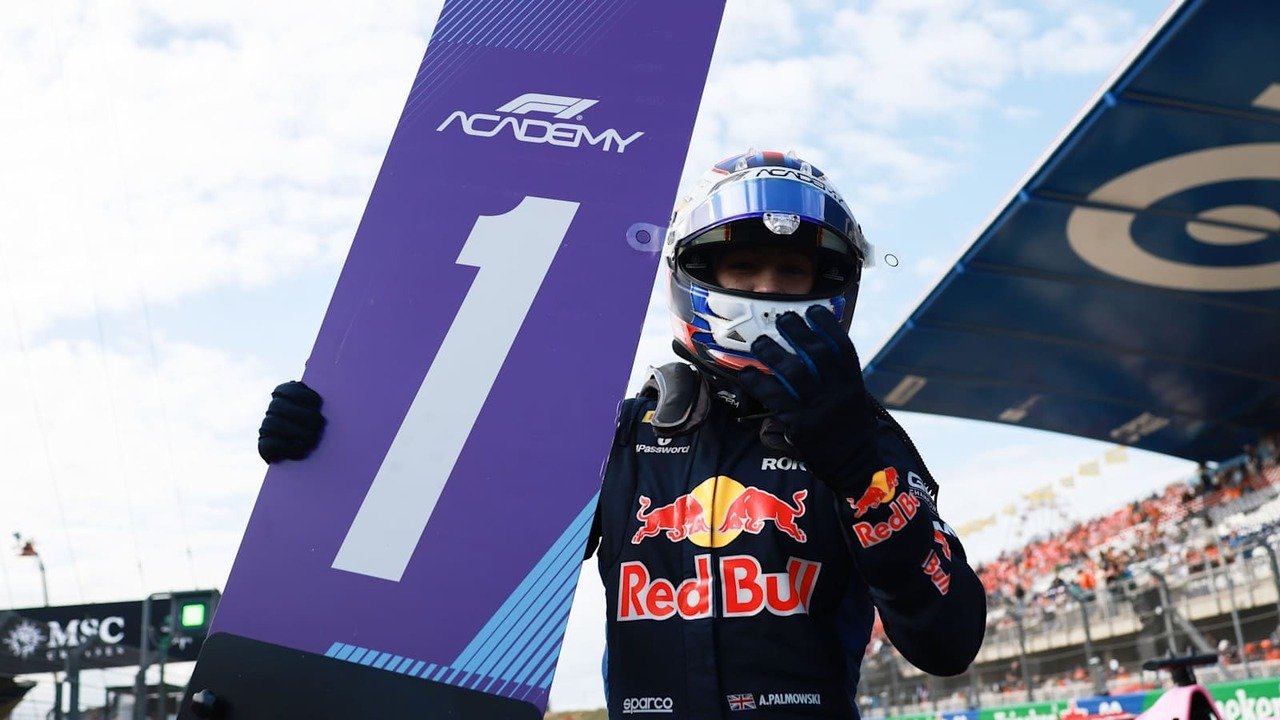
A large lead gives a driver more options, but it does not remove the need to finish races. Palmowski can now avoid unnecessary risks while still competing for wins. Mechanical trouble or contact can reduce a points lead quickly, so reliable starts and clean finishes remain important.
Felbermayr finished fifth behind Natalia Granada. She still collected points, but Palmowski gained more through the victory.
The next round moves to the United States
F1 Academy will continue at the Circuit of the Americas from 22 to 25 October. The long break gives every team time to review its car and prepare for a very different track. Austin includes long straights, slow corners and quick direction changes. The setup that worked at Zandvoort will not be copied without changes. Drivers must also prepare for heat and a different time zone.
Palmowski arrives there with four wins and the championship lead. Her Zandvoort performance gave the team a clear example of how to manage pressure from pole position.
Pole position became a complete race result
Qualifying first gives a driver the shortest route to the opening corner, but the advantage lasts only with a clean start. Palmowski controlled wheelspin and placed the car where Larsen could not complete a pass. The pressure continued after the opening lap.
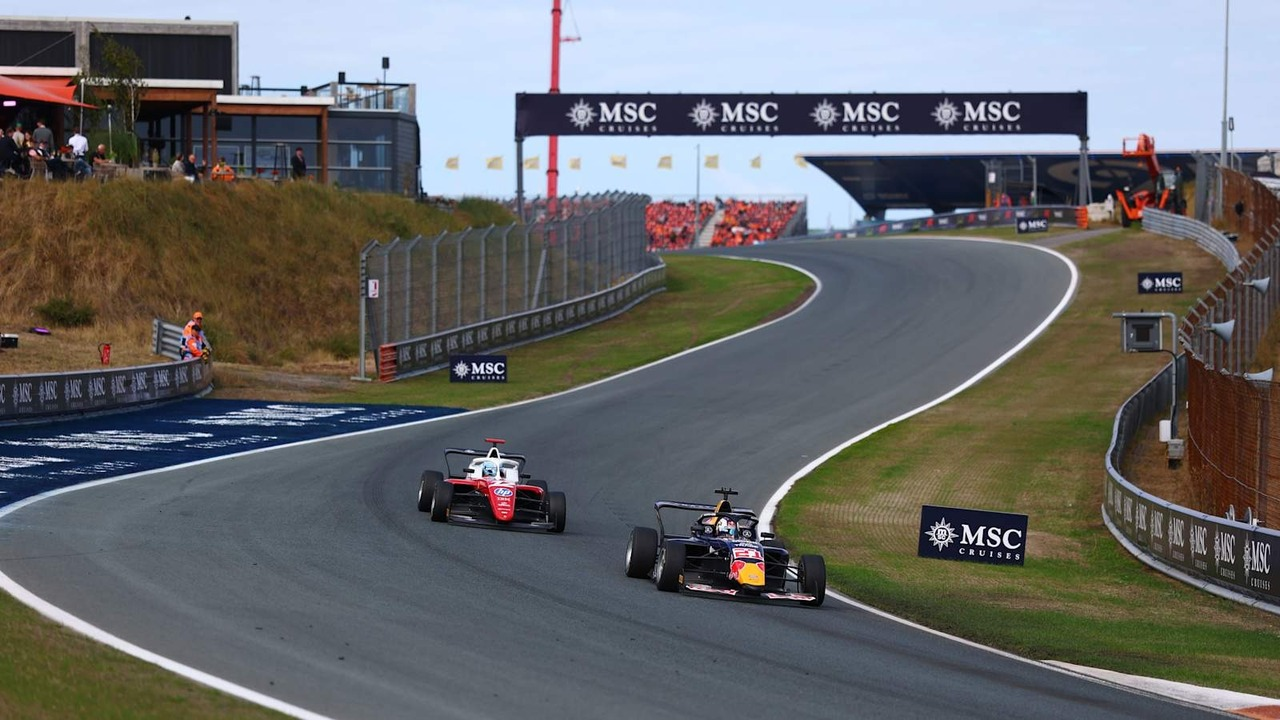
Larsen remained visible in the mirrors, so Palmowski had to repeat accurate braking without using the tyres too heavily. A small lock-up could have changed the order.
The Campos Racing team can use the race as a reliable reference. The car worked over the full distance, and Palmowski converted speed from qualifying into points without contact or a penalty.
Larsen kept the winner under pressure
Larsen’s second place was not a passive result. She remained close enough to influence Palmowski’s pace and made the leader protect every corner exit.
Gademan also avoided mistakes while the fight ahead changed speed. The three podium drivers kept the same order after the start. However, the small gaps meant that each driver still had to avoid mistakes.
Palmowski controlled the race after a clean start
Pole position was valuable only if Palmowski kept the lead through the opening corners. She launched cleanly, chose the inside line and avoided a long side-by-side fight. That first sequence allowed her to set the pace instead of reacting to another driver.
Larsen stayed close enough to punish a mistake, so the winner could not relax. Palmowski managed the tyres while keeping enough speed through the final sector. The stable gap showed that her race was based on repeated clean laps rather than one fast moment.
The victory also adds useful championship points. It gives the team a clear example of how to convert qualifying speed into a complete race. That lesson matters at a circuit where wind and banking can quickly change the car’s balance.


No Comments