
James Vowles has praised Carlos Sainz for maintaining the same working approach during Williams’ difficult 2026 season. The team principal said the driver’s focus does not change with his position on the grid.
Sainz keeps frustration separate from the debrief
Williams returned to the podium with Sainz last season, but the team has moved toward the back of the field in 2026. Sainz has spoken publicly about an overweight car and delayed development. Vowles said those problems had not reduced the quality of Sainz’s preparation. He described the Spaniard as driven by constant performance improvement, even when a strong result is unlikely.
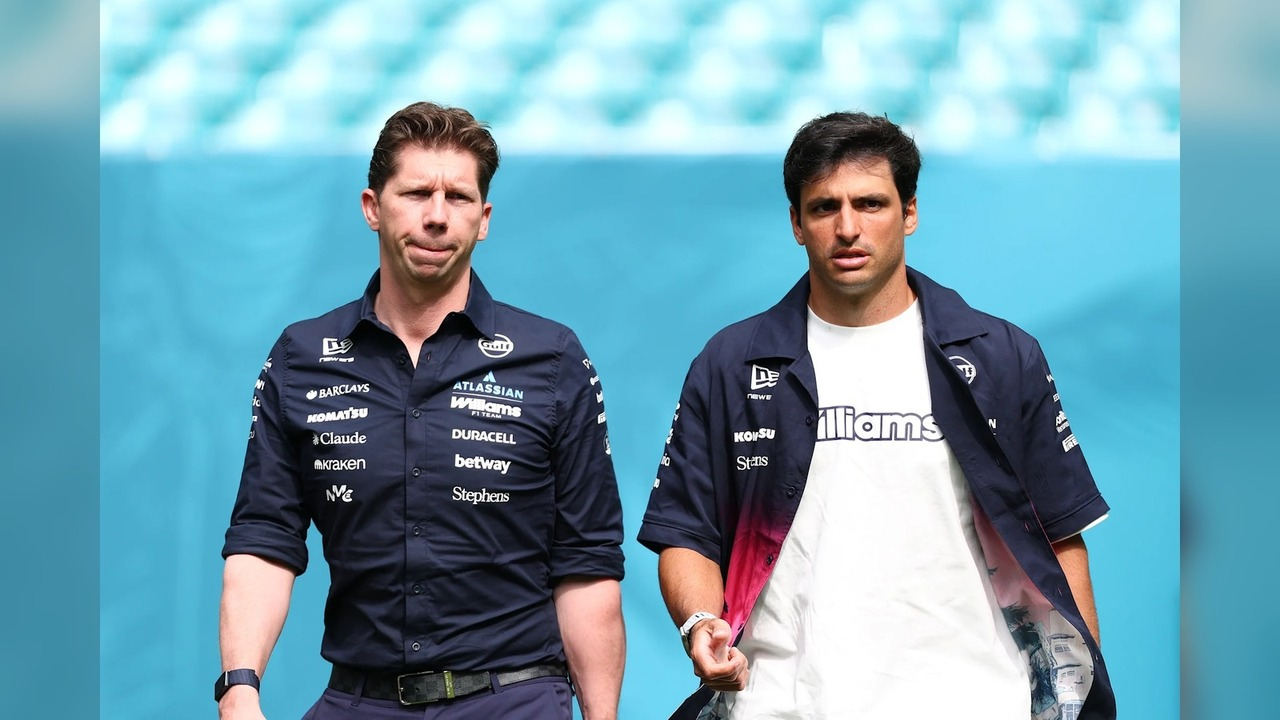
Sainz’s value to Williams is visible in the detail of a difficult weekend. A driver near the back still has to separate braking instability, tyre behaviour and aerodynamic balance. If those comments remain precise, the factory receives evidence it can use. Vowles said Sainz continues that work even when the classification offers little immediate reward. Retaining both drivers for 2027 also preserves a useful comparison when the rules change. The next power-unit and aerodynamic package will create unfamiliar behaviour for every team. Williams can begin that transition with two drivers who already understand its methods and weaknesses. Continuity reduces one variable, although it cannot replace a competitive design.
Williams have retained both drivers for 2027
Sainz has signed a multi-year agreement, while Alex Albon is also confirmed for next season. Vowles views both drivers as leaders inside the factory as well as on the track. He recalled that Sainz and Albon travelled to the United Kingdom after a poor winter to spend time with the team. Vowles presented that visit as support for staff during a difficult development period.
The same approach helps Williams compare its two cars. Sainz and Albon may prefer different settings, but both can describe whether a change improves the underlying weakness. Engineers can then distinguish a personal preference from a repeatable gain. Stable feedback becomes especially important when limited upgrade parts prevent the team from testing every idea at once.
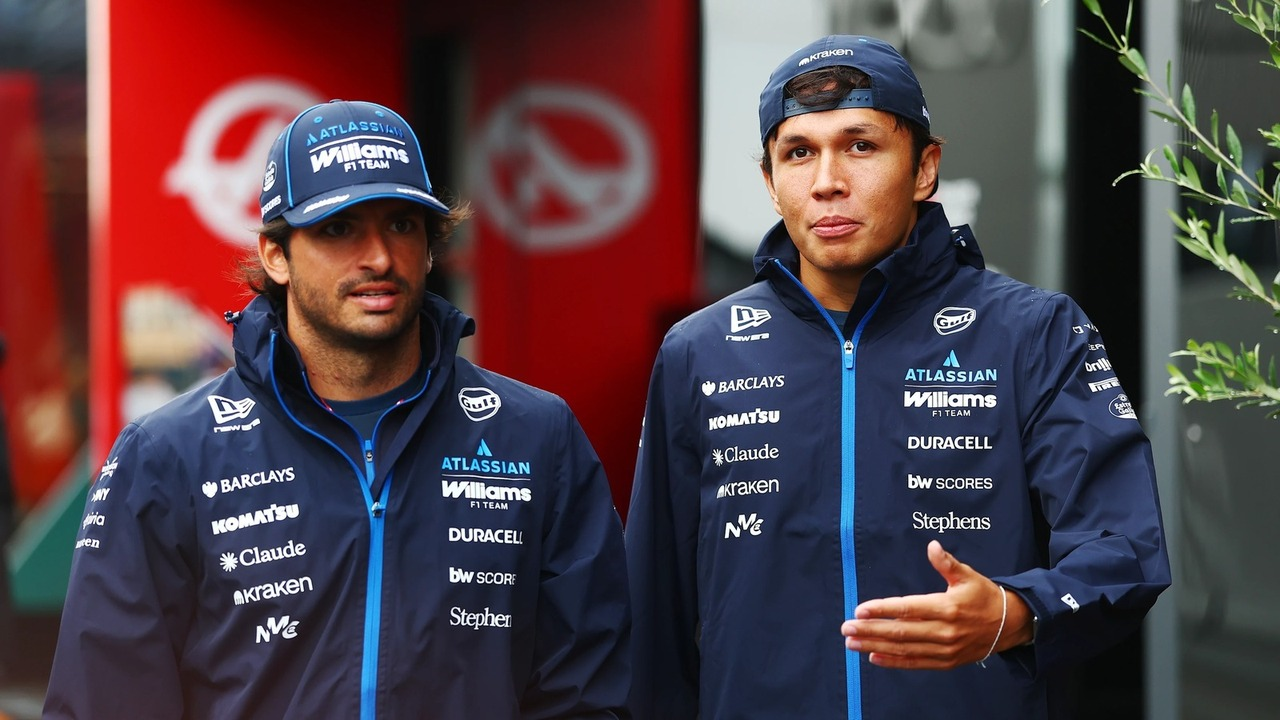
The Azerbaijan changes will provide a nearer test. Baku combines long straights with slow corners and heavy braking, so one circuit cannot represent every remaining race. Williams will examine whether the package produces a consistent gain rather than one eye-catching lap. Sainz’s unchanged working style gives the team a dependable reference for that evaluation.
The next car remains the main technical focus
Vowles admitted that Williams is too far from its target. Much of the team’s attention has moved to 2027, when Formula One introduces another power-unit and aerodynamic rules change. Williams also plans changes for the Azerbaijan Grand Prix. Vowles did not promise that one package would solve the wider performance gap, so the coming races will provide the first evidence of its effect.
Williams entered the season with a heavier car and development delays. Those problems affect more than straight-line speed. Extra weight changes tyre use, braking and the range of setup choices available across a weekend. A driver cannot remove that disadvantage through one adjustment, which explains why Sainz has continued to speak directly about the scale of the work.
The praise is tied to conduct, not a claimed turnaround
Vowles called Sainz’s stable attitude unusual because emotion often changes how a driver works during a frustrating season. He said Sainz continues to search for performance in the same way whether he is near a podium or near the back. Williams has not described its current position as acceptable. The comments explain why the team values Sainz during a setback; they do not claim that the performance problem has already been solved.
The factory visit by Sainz and Albon showed that their role extends beyond race meetings. Staff had worked through a difficult winter, and the drivers chose to meet them before the season developed further. Vowles used that example to describe leadership, not to claim a technical cure. The car still has to prove every change through timing data and reliable race distance.
No Comments