
George Russell won the Dutch Grand Prix Sprint at Zandvoort on Saturday. He led all 24 laps and finished ahead of Charles Leclerc and Lando Norris. Leclerc passed Norris during the short race and kept second place to the finish.
Main qualifying produced a different order. Norris set the fastest lap and earned the first starting place for Sunday’s Dutch Grand Prix. Russell qualified second, Kimi Antonelli took third, and Oscar Piastri finished fourth.
Russell controlled the Sprint from the first lap
Russell started from first place after winning Sprint Qualifying on Friday. He kept the lead through the opening corners and did not give the cars behind a simple chance to attack. The narrow circuit made overtaking difficult. Russell used that advantage, but he also maintained enough speed to stop Leclerc from reaching an easy passing position. He completed the 24 laps without losing the lead.
Leclerc gained one place by passing Norris. Norris then protected third from Antonelli. Piastri finished fifth, followed by Max Verstappen, Lewis Hamilton and Pierre Gasly in the remaining points positions.
The Sprint result did not decide Sunday’s starting order
Sprint points rewarded the first eight drivers, but the morning result did not decide the starting order for the Grand Prix. The teams had to reset and prepare for a separate qualifying session. Mechanics inspected the cars during the gap. Even a small problem with the underbody or suspension could reduce speed in qualifying. Drivers also needed to leave the emotions of the Sprint behind.
Russell carried a strong result into the afternoon. Norris had to understand why his tyres lost performance during the short race. Both drivers then faced the same three-part qualifying format.
Norris set the fastest qualifying time
Norris improved when the track had its best level of traction. His fastest lap placed him 0.102 seconds ahead of Russell.
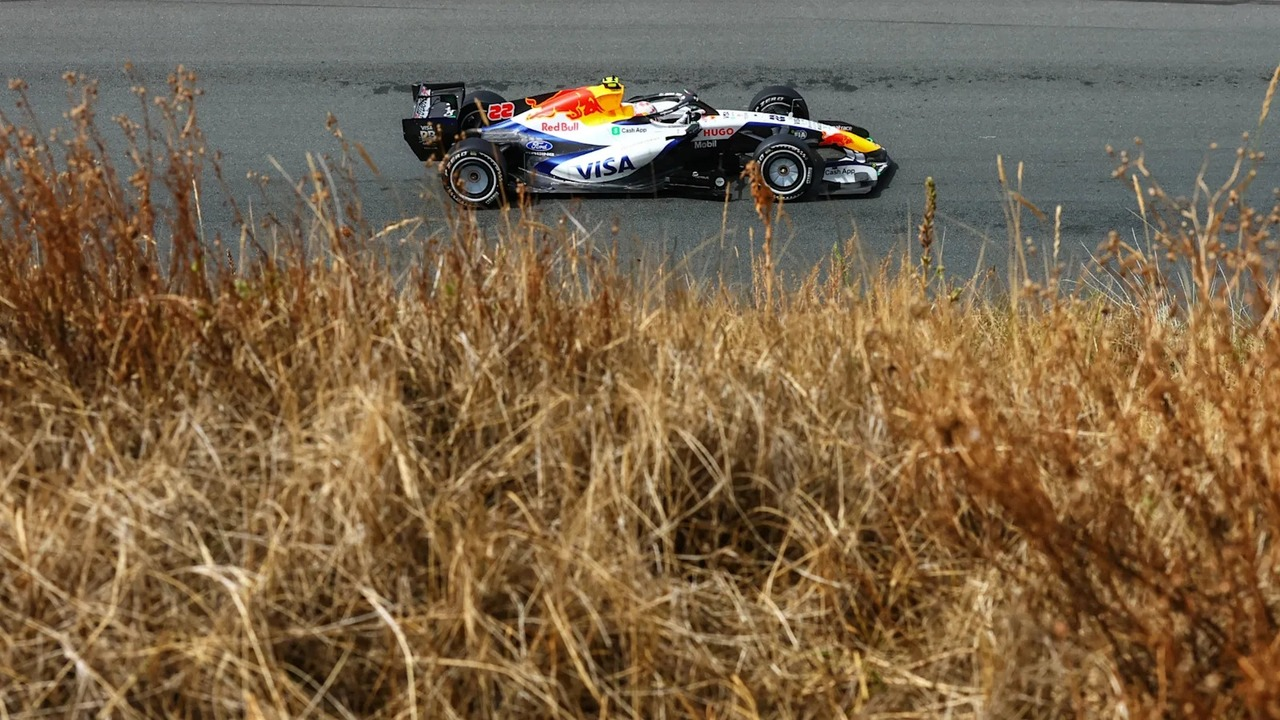
Antonelli was 0.133 seconds behind the first position. Piastri completed the second row. Hamilton and Leclerc placed the Ferraris in fifth and sixth. Verstappen qualified seventh for his home race, with Liam Lawson beside him in eighth.
The result gave Norris open track at the start of Sunday’s race. It did not guarantee victory. Russell and Antonelli remained close enough to attack if Norris made a poor start.
| Saturday session | Winner | Key result |
|---|---|---|
| Dutch Grand Prix Sprint | George Russell | First place after leading all 24 laps |
| Grand Prix qualifying | Lando Norris | Will start first on Sunday |
Several drivers had a difficult afternoon
Yuki Tsunoda reached the second part of qualifying and finished twelfth. Fernando Alonso and Carlos Sainz were eliminated in the first part and ended the session in eighteenth and seventeenth. A short lap left little time to recover from one mistake. Drivers needed an uninterrupted timed attempt, correct tyre temperature and enough distance from other cars. A delay of a few tenths changed several positions.
Teams now have a fixed starting order to study. The first corner, tyre choice and possible rain are the main questions before the Grand Prix.
Russell and Norris led different Saturday sessions
Russell earned the Sprint victory and eight championship points. Norris earned the first starting place for Sunday. Each result came from a different type of performance. The Sprint rewarded control over 24 laps. Qualifying rewarded one precise lap under maximum pressure. A driver could perform well in one session and still face a different problem in the other.
The Dutch Grand Prix remains the final and largest task of the weekend. Norris starts first, but the two Mercedes drivers begin directly behind him. That order gives Sunday a clear contest from the opening lap.
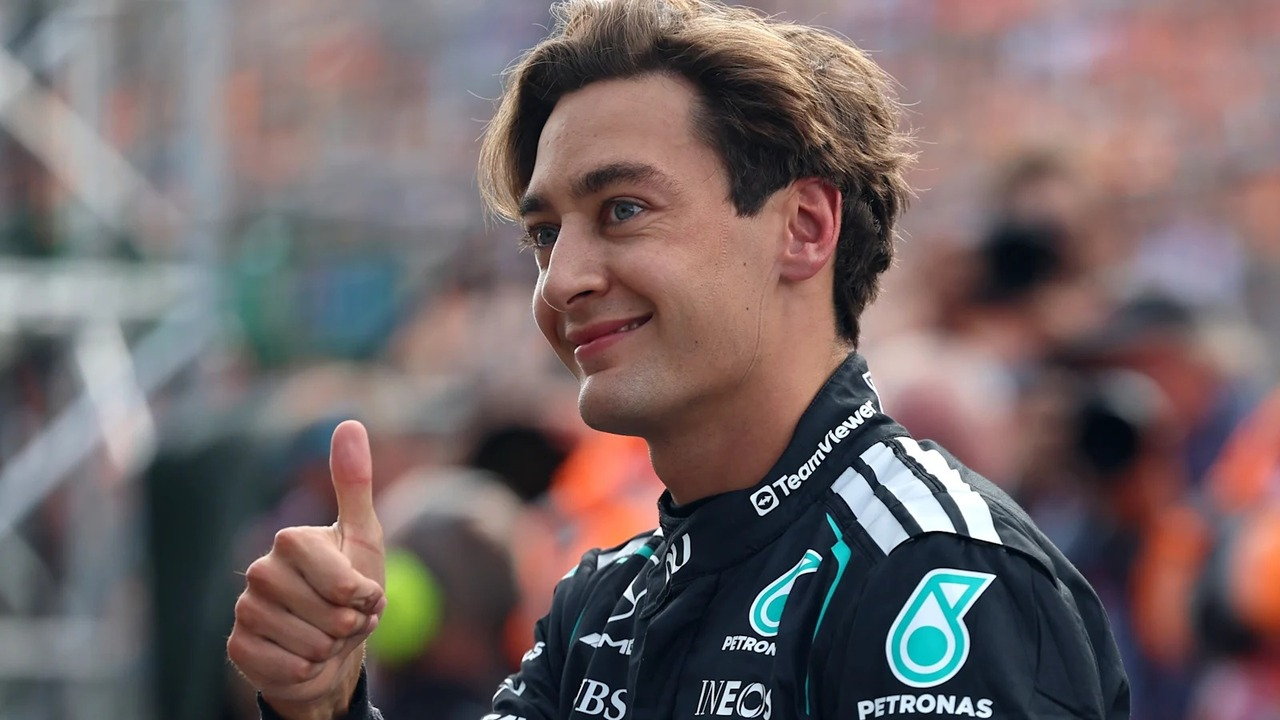
The two Saturday sessions required different skills
The Sprint rewarded tyre control over 24 laps. Russell managed the lead while the cars behind him worked in disturbed air and had fewer chances to protect their tyres. Qualifying demanded one fast lap at the right time. Norris improved when the track was ready and placed his car first for the Grand Prix. Russell remained close enough to take the second starting place.
Teams must therefore use two different sets of information. Sprint data shows how the tyres behave over a run, while qualifying data shows the maximum speed available with little fuel.
The first corners will influence Sunday’s strategy
Norris starts with the best route into the opening corner, but Russell can attack if he reacts faster. Antonelli begins directly behind them and can benefit if the first two drivers slow each other. Piastri starts fourth and remains close to the leading group. He may choose a patient opening lap because contact would remove any advantage gained from a different tyre strategy.
Zandvoort gives drivers little room to recover after leaving the racing line. A controlled first lap can be more valuable than one risky position change before the race settles.
Saturday’s data will guide the tyre choices
The Sprint gave every team a recent example of tyre wear in racing conditions. Engineers can compare that information with the temperature expected for Sunday and estimate how long each compound can remain consistent. A driver who starts near the front can protect track position with a conventional plan. A car deeper in the field may need a different stop window to avoid spending the entire race behind slower other cars.
The correct choice also depends on weather. A sudden shower can remove the value of a plan made before the start, so the teams must keep several clear options available.
No Comments