
Marcin Budkowski begins his work as Cadillac team principal during the Dutch Grand Prix weekend. Cadillac appointed him with immediate effect during the summer break. He replaces Graeme Lowdon, who led the organisation through its preparation and first eleven races.
Budkowski joins a new team that is still building its Formula One operation. Cadillac has not scored a point in its debut season. Its next stage is to improve daily processes while continuing work on the 2027 car.
Cadillac changes leadership during its first season
Cadillac entered Formula One as the eleventh team in 2026. The project operates from several locations, with a major base at Silverstone. Ferrari supplies the current power unit and gearbox while General Motors develops an engine for a later season. Lowdon helped create the team before its first race. The change does not remove that foundation. It gives Budkowski responsibility for the next period, when the organisation must turn early experience into better performance and more reliable weekends.
The timing provides a natural review point. Teams completed eleven Grands Prix before the summer closure. Staff can now compare the original operating plan with the problems that appeared in real races.
Budkowski has technical and management experience
Budkowski has worked for Formula One teams and for the FIA. His earlier roles included responsibility for technical departments and race-team management. That background gives him knowledge of both competition rules and factory development. Cadillac needs leadership across more than one area. A new team must improve pit-stop procedures, spare-parts planning, simulation, car development and communication between bases. Progress in one department can be lost when another department is late.
Budkowski said his first priority is to understand the people and systems already in place. Immediate changes without that review could create new delays. The Dutch weekend gives him a direct view of the race operation under a compressed Sprint schedule.
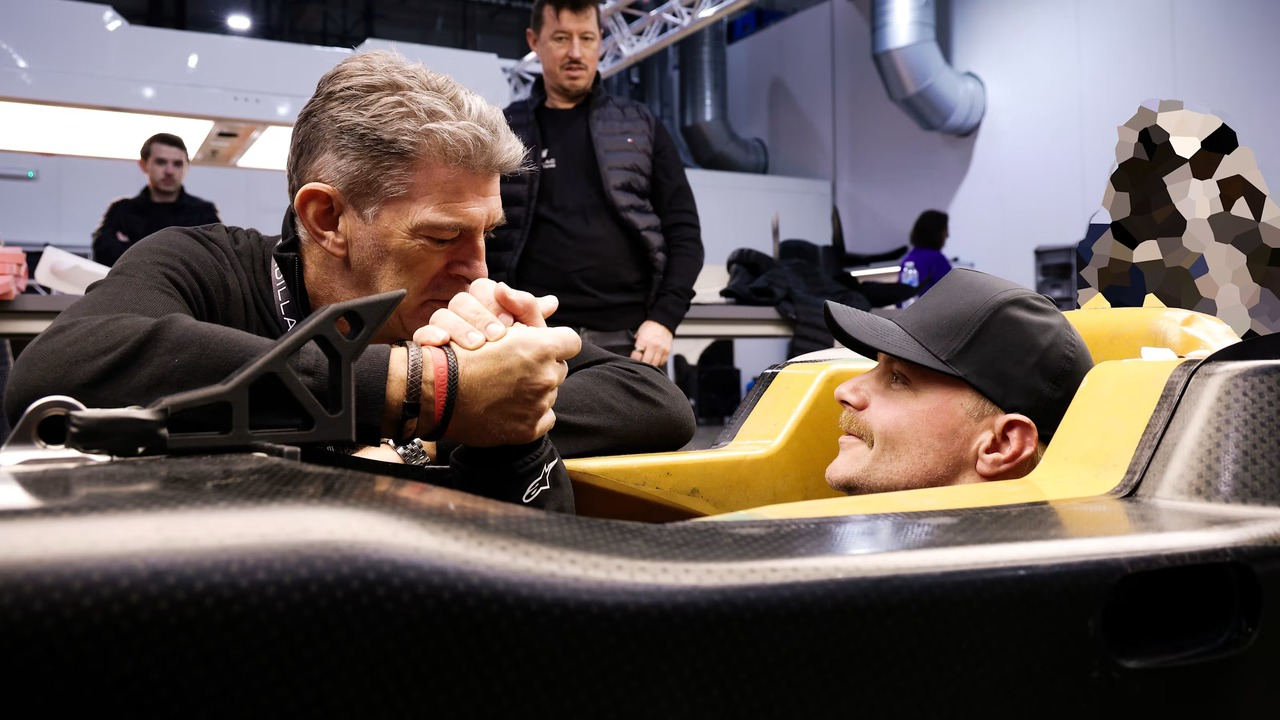
The first season has shown the size of the task
Cadillac arrives at Zandvoort in eleventh place in the constructors’ standings. Sergio Perez and Valtteri Bottas provide extensive driver experience, but the team has suffered several retirements and has not reached the points. A low position does not come from one cause. Reliability can remove cars before the finish. Limited pace makes every qualifying lap difficult. A poor starting place then increases the risk of contact and forces drivers into traffic.
The team must separate these problems instead of treating them as one result. A reliable finish can still provide useful data even when it does not produce points. Better data then supports design decisions for the remaining races and the next car.
- Review reliability problems from the first eleven races
- Improve communication between the factory and race team
- Protect development time for the 2027 car
- Give both drivers a consistent operating process
The first race gives the new team principal an immediate test
The Dutch Grand Prix uses one practice session before Sprint Qualifying. Cadillac cannot spend Friday slowly testing many alternatives. The team needs a clear setup plan and quick decisions after each run. Bottas and Perez can help by giving precise feedback from both cars. Engineers can compare that feedback with tyre temperatures, braking traces and aerodynamic measurements. When Bottas and Perez report the same weakness, engineers can identify the real problem more easily.
Budkowski’s appointment will not change the car in one weekend. His influence will appear through repeated choices about people, priorities and development. Zandvoort is the first public step in that longer process.
Cadillac needs reliable work at every race weekend
The useful measure for Cadillac is not one surprising qualifying result. A new team needs weekends in which both cars complete the planned programme, the pit wall receives clear information and the mechanics avoid preventable delays.
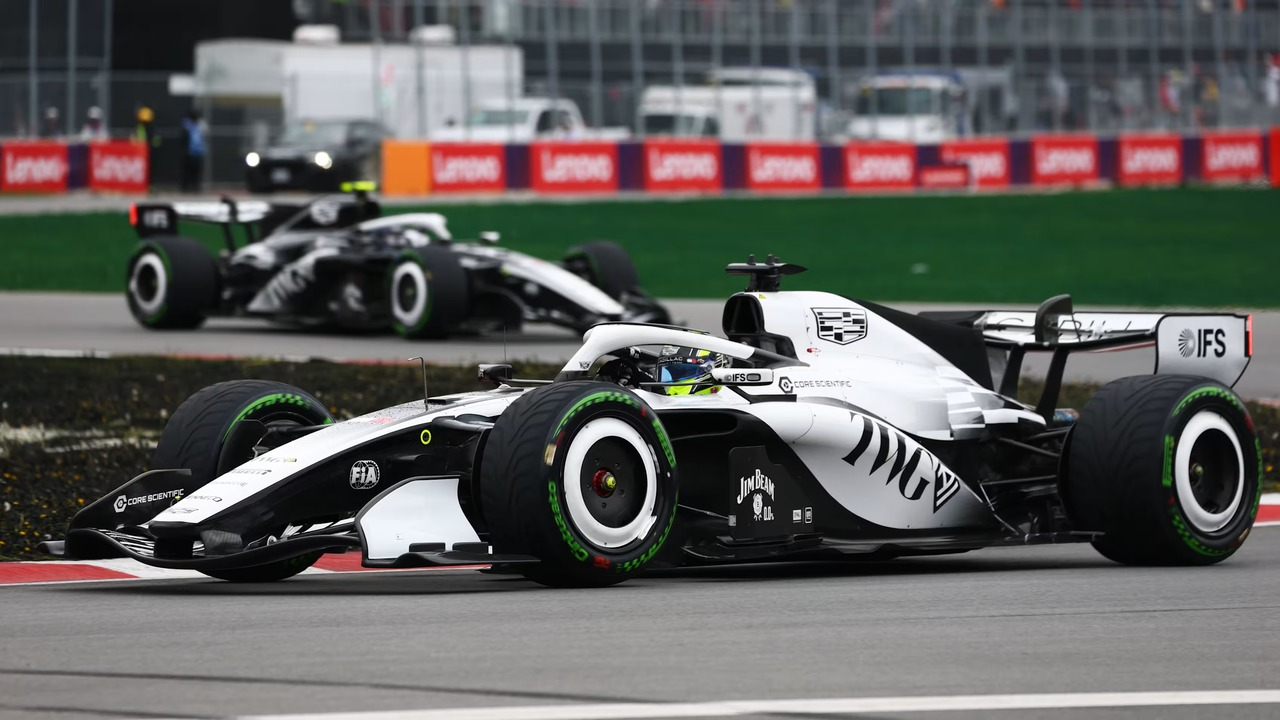
Repetition turns individual improvements into an operating standard. Budkowski also has to balance current races with future development. Parts produced for the 2026 car can improve knowledge, but every late project uses factory capacity that could support the next design. The team must decide which weaknesses are worth testing now and which belong to the following programme.
Reports from Perez and Bottas will help that process. Both racing drivers have worked with several teams and can explain how procedures compare with established organisations. Their experience is most useful when it produces a specific change in preparation, communication or setup work. Cadillac’s place in the standings keeps expectations modest, but it does not remove pressure. The remainder of the season can show whether the team learns faster after each problem. That rate of learning is a stronger sign of progress than a single result created by unusual weather or problems for other cars.
The race team and factory need one set of priorities
A Formula One organisation can collect more possible improvements than it can produce. Leadership has to rank them by performance value, reliability risk and delivery time. Without that ranking, several departments may work hard on parts that cannot be used together. The race team then needs to explain what happens on track in a form the factory can use. A general complaint about balance is less useful than details about the corner type, speed range and steering or pedal action. Better reports shorten the path from a problem to a tested solution.
Budkowski’s technical experience should help him ask for that detail, but the process must belong to the whole team. Progress becomes sustainable when engineers and mechanics can make the correct next choice without waiting for one person to solve every issue.
No Comments