
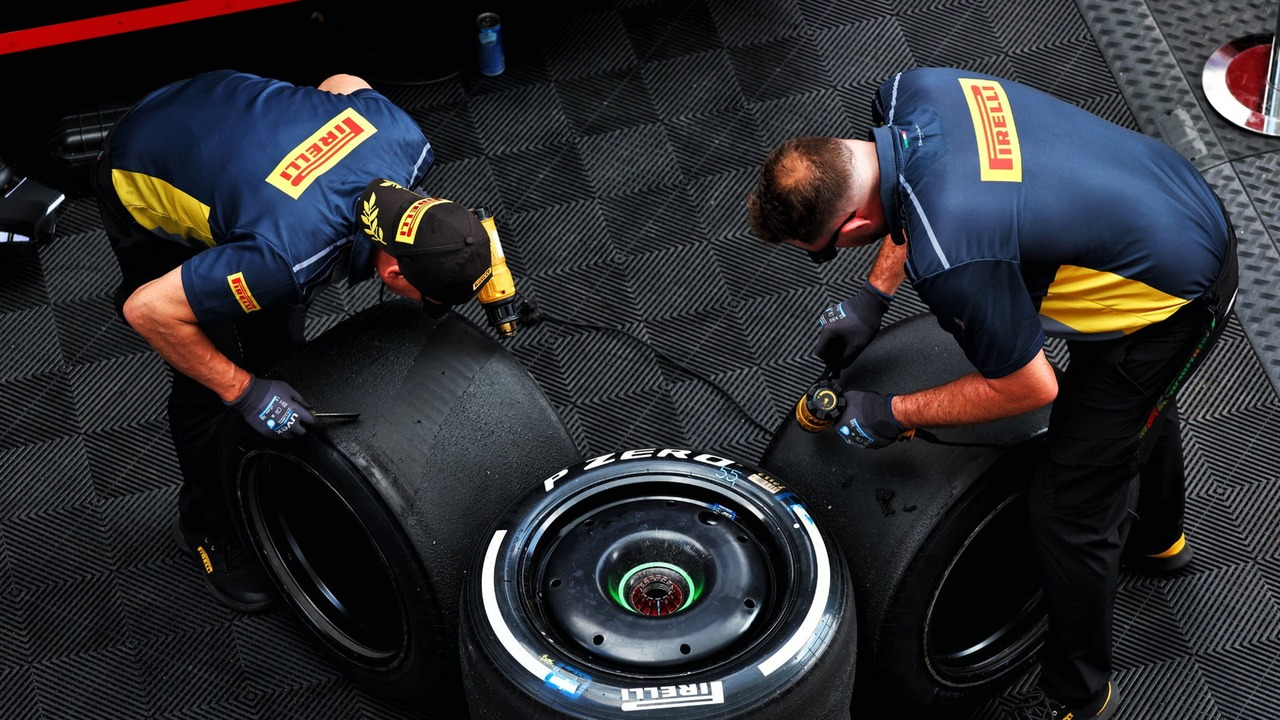
Pirelli will supply the C2, C3 and C4 compounds for the 2026 Dutch Grand Prix. They will serve as the hard, medium and soft tyres at Zandvoort. The selection matches the range used at the circuit one year ago.
The race weekend starts on 21 August and includes the first Formula One Sprint held at Zandvoort. Teams have one practice session before Sprint Qualifying. That timetable gives tyre preparation extra importance during the opening hour.
The circuit places heavy loads on the tyres
Zandvoort contains several medium-speed and slow corners. Two banked turns create strong vertical and lateral forces. The cars also require high aerodynamic load through much of the lap. Pirelli describes the track surface as relatively low in grip. Sand from the nearby beach can reduce grip further when wind carries it onto the circuit. Drivers may find different conditions from one session to another.
The C2, C3 and C4 range covers the middle part of Pirelli’s 2026 selection. It provides a firm hard tyre and two softer choices. Teams will compare their pace and wear during the only practice session. Tyre behaviour depends on temperature, fuel load and car balance. The compound name alone does not decide the fastest plan. Engineers need track data before selecting their approach for the Sprint and Grand Prix.
A Sprint weekend limits preparation time
Friday practice begins at 12:30 local time and lasts one hour. Sprint Qualifying starts later that afternoon. Teams cannot use a second Friday practice to correct a poor initial setup. Saturday opens with a 24-lap Sprint. Grand Prix qualifying follows later the same day. The main race covers 72 laps and starts at 15:00 local time on Sunday.
This schedule separates the tyre tasks across three competitive sessions.

A driver requires immediate grip for both qualifying formats. The same team also needs stable wear across the Sprint and the longer Grand Prix. Parc ferme rules further limit major setup changes after competition begins. Teams therefore arrive with detailed simulator work already completed. The first laps confirm whether those estimates match the real track.
| Session | Local start | Distance or duration |
|---|---|---|
| Practice | Friday 12:30 | 60 minutes |
| Sprint Qualifying | Friday 16:30 | 44 minutes |
| Sprint | Saturday 12:00 | 24 laps |
| Grand Prix | Sunday 15:00 | 72 laps |
Banked corners change the normal load pattern
The Hugenholtz and Arie Luyendijk corners use pronounced banking. A car can carry speed while the surface supports part of the lateral load. The tyres still experience substantial combined forces through those sections. Drivers also face quick direction changes elsewhere on the lap. Front tyre response matters when the car turns into narrow corners. Rear grip becomes important when power is applied on the exits.
A balance problem can damage one axle more quickly than expected. Excessive sliding raises surface temperature and removes performance. Smooth laps may preserve the tyre while keeping a competitive time. These effects are measured through tyre temperatures and pressure data. Engineers compare both cars after each run. They avoid assuming that last year’s behaviour will repeat under the 2026 technical rules.
The official selection avoids invented strategy claims
Pirelli has confirmed the compounds and explained the circuit demands. It has not promised a specific number of pit stops. Weather and race interruptions can change every calculation. The middle compound range gives teams several ways to divide the race distance. A harder tyre may extend a stint, while a softer tyre may offer faster initial laps.
Actual performance decides which difference matters.
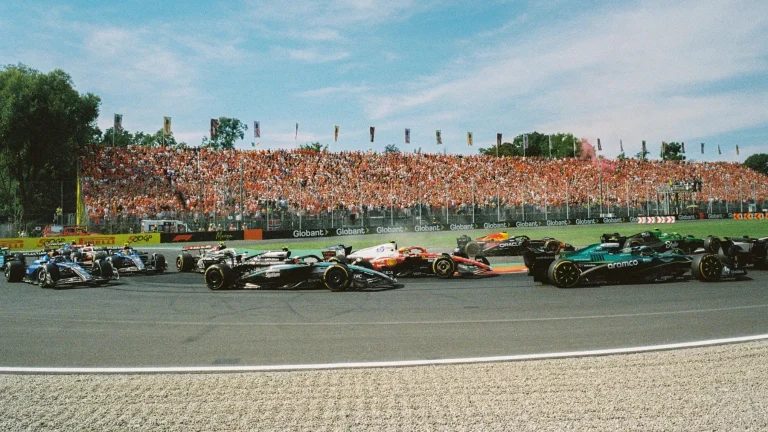
Sand, wind and changing track grip may also influence the order. Friday’s limited running gives teams less evidence than a normal weekend. Saturday and Sunday can then produce different tyre conditions. The confirmed information is clear before cars leave the garage. Zandvoort receives C2, C3 and C4 tyres. The Sprint format gives every team one practice session to understand them on the current cars.
Tyre allocation affects every competitive session
Sprint weekends use a different tyre allocation from standard Grand Prix events. Each team manages a limited number of sets across all five sessions. An early mistake can reduce the choices available later. Sprint Qualifying also assigns compounds to its first two parts. Drivers use medium tyres in SQ1 and SQ2 before switching to soft tyres in SQ3. Performance and the remaining fresh sets therefore affect every tyre choice. The banked corners at Zandvoort create unusual loads while the car follows a curved surface. Pressure settings remain controlled by Pirelli for safety. Teams can still adjust suspension, aerodynamic balance and driving approach within the regulations.
A safety car or changing weather can alter the value of every planned stop. Zandvoort‘s narrow layout can make overtaking difficult, so track position carries extra weight. Engineers still avoid declaring one strategy before they see actual degradation. The C2, C3 and C4 nomination provides the starting information. Friday practice supplies the first current data. The Sprint and Grand Prix then show how those compounds perform under competitive loads and changing fuel levels.


No Comments