
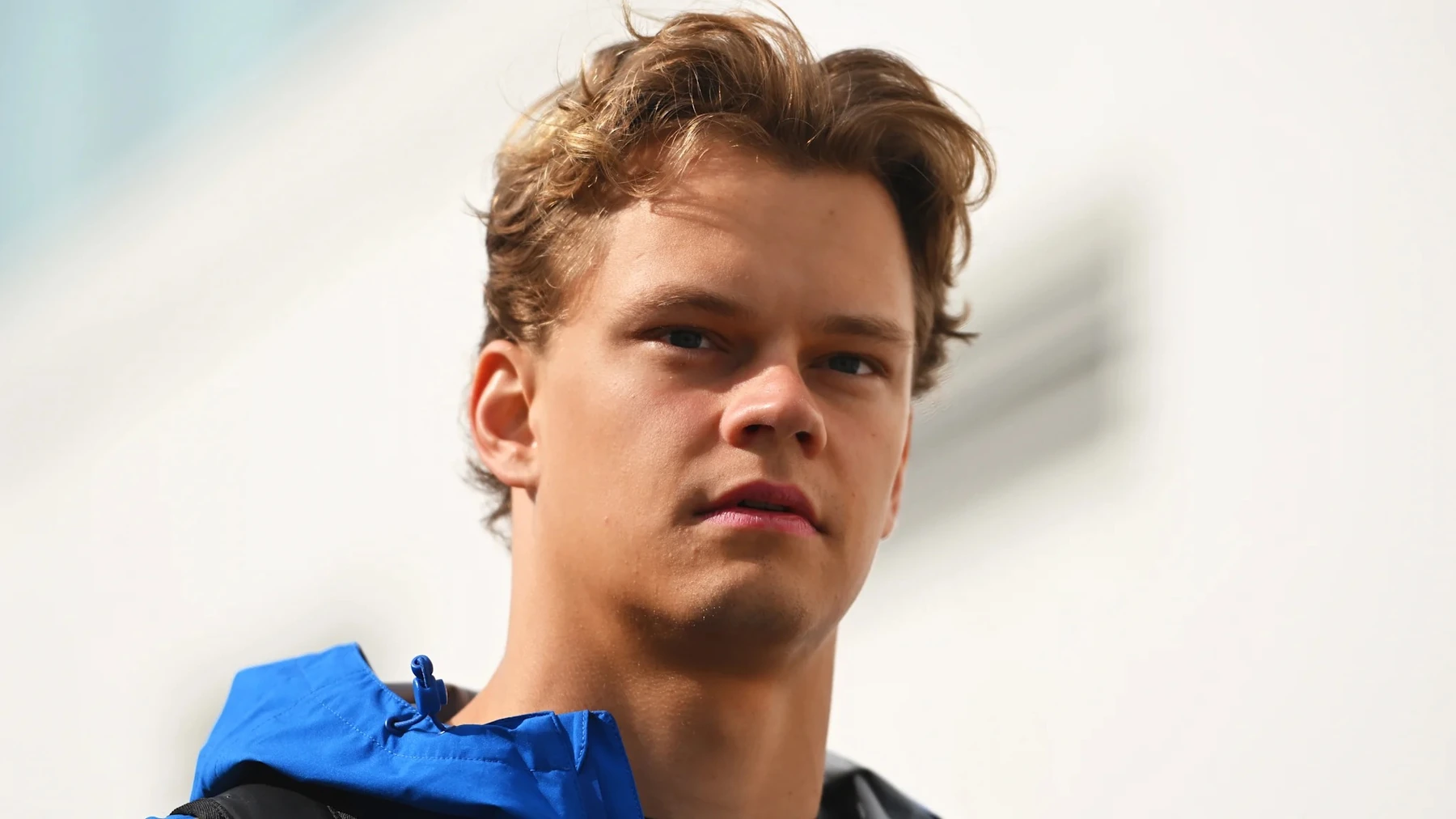
Paul Aron will drive Pierre Gasly’s Alpine in the first practice session at Monza. The Estonian reserve driver has already completed Friday sessions for Audi and Alpine this season. After his track programme in Italy, he is scheduled to return to Enstone for simulator work that supports the rest of the weekend.
One practice hour must serve two drivers
Aron needs meaningful laps for his own development, while Gasly needs a car that is ready when he returns. The programme must therefore balance familiarisation with useful set-up work. Long installation procedures or avoidable mistakes would reduce the value for both. Clear radio communication and a disciplined run plan allow the reserve driver to learn without turning the session into a separate test unrelated to the race weekend.
Monza makes confidence under braking especially important
The circuit combines very high speed with heavy stops into chicanes. A reserve driver must build toward the limit because an early lock-up can damage a tyre and shorten the programme. Braking references, rear stability and the way the car rides kerbs are more useful first targets than an eye-catching single lap. Consistent feedback gives the engineers data that can still help after Aron leaves the cockpit.
| Practice detail | Confirmed plan |
|---|---|
| Driver | Paul Aron |
| Session | Italian Grand Prix FP1 |
| Car normally driven by | Pierre Gasly |
| Follow-up duty | Simulator work at Enstone |
Previous sessions give him several points of comparison
Aron has driven Friday practice for Audi in Barcelona and Austria and for Alpine in Hungary. Experience in more than one car can improve the way he describes balance, although confidential details remain inside each team. For Alpine, the important change is that he already knows its steering, procedures and engineers. That familiarity should reduce the time spent on basic controls in Monza.
Gasly loses track time but the team meets a wider obligation
Teams must provide opportunities for less experienced drivers during selected practice sessions. Giving up FP1 has a cost for the race driver, especially at a circuit with a special aerodynamic package. Alpine can reduce that cost by preparing Gasly in the simulator and producing a clean comparison from Aron’s laps. The arrangement works when the development requirement and the competitive programme are treated as one plan.
The simulator shift connects Friday data to later sessions
Aron’s day does not end when he steps out of the car. Returning to Enstone allows him to reproduce issues seen on track and test possible responses while the race drivers continue in Italy. Simulator work is not identical to the real car, but it can narrow the set-up choices before the next session. His direct memory of the morning run makes that link more valuable.
A practice appearance is not confirmation of a race seat
An FP1 run shows that Alpine trusts Aron with useful development work. It does not announce a change to the race line-up. Speculation about a permanent seat should remain separate from the confirmed Monza duty. His performance can strengthen his experience and provide evidence for future decisions, but one session should be judged through clean execution and feedback rather than through an invented promotion.
Aron’s FP1 programme remains scheduled for the Monza weekend
Aron will drive in the opening practice session because the Italian Grand Prix weekend has not yet begun. His lap total, run plan and final position cannot be known until the car completes the session. Alpine has confirmed the driver change and the simulator work that follows. The track programme will then supply the braking, balance and tyre data needed for a completed assessment.
Traffic management will protect the limited run plan
Monza practice often includes cars slowing before a flying lap and groups searching for a tow. Aron must leave enough space without creating risk for a faster car behind. Alpine can use radio information to place him in a cleaner window. One interrupted lap is manageable, but repeated traffic can remove the comparison the engineers need. A disciplined gap is therefore part of completing the technical programme.
No Comments