
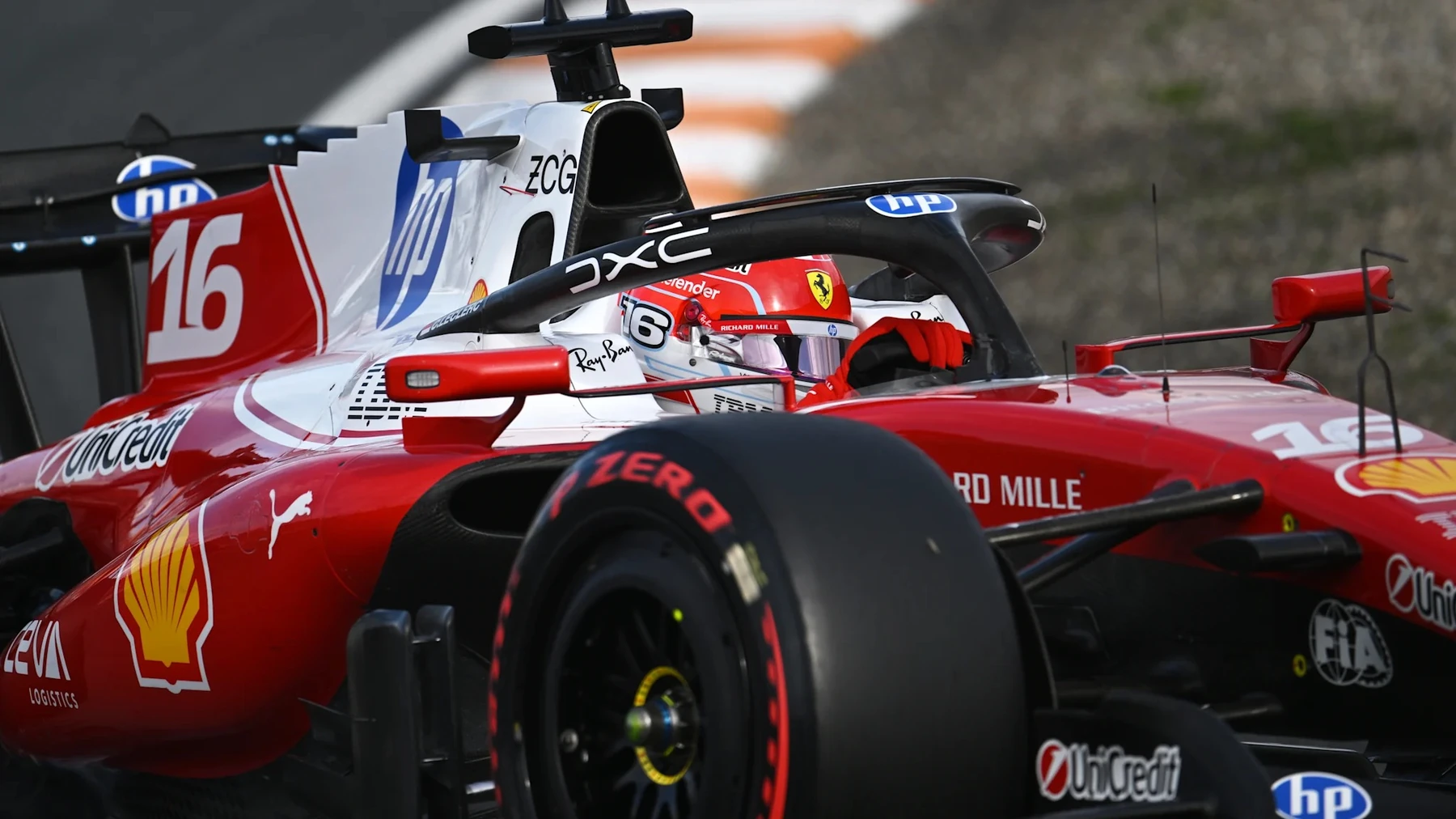
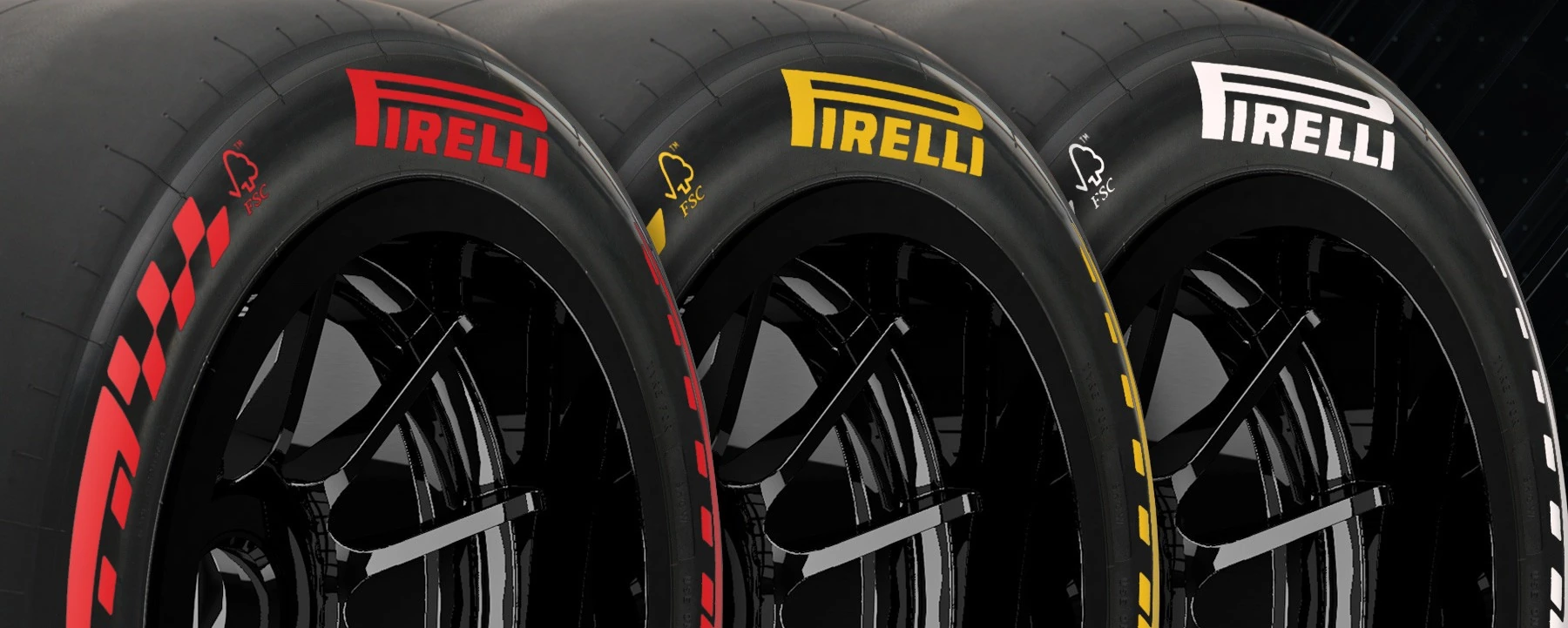
Pirelli has confirmed the C3, C4 and C5 compounds for the 2026 Italian Grand Prix. C3 will be the hard tyre, C4 the medium and C5 the soft. Each driver receives two hard sets, three medium sets and eight soft sets for the weekend, with an additional soft set reserved for drivers who reach the final qualifying segment.
The softest range does not automatically create rapid degradation
A softer tyre label describes the position inside Pirelli’s range, not a guaranteed number of pit stops. Monza has long straights and relatively few corners, so the tyres spend less time under sustained lateral load than at some other circuits. Pirelli expects degradation to remain controlled enough for a one-stop strategy to be the main reference. Teams still need practice data because temperature, fuel load and the new cars can change the final picture.
Rear traction is expected to carry the greater load
The 2026 power units change how the cars approach braking and acceleration. Pirelli expects lower stress on the front axle in several braking zones, while the rear tyres face stronger demands when power is applied on corner exit. The first chicane and Ascari are important examples. A driver who asks for too much traction too early can overheat the rear surface even when the overall lap contains long periods of full throttle.
| Weekend allocation | Confirmed choice |
|---|---|
| Hard tyre | C3, two sets per driver |
| Medium tyre | C4, three sets per driver |
| Soft tyre | C5, eight sets per driver |
| Dry-race rule | At least two different slick compounds |
Each driver receives a deliberately uneven dry allocation
The standard weekend supply gives every driver two sets of C3 hard tyres, three sets of C4 mediums and eight sets of C5 softs. That distribution reflects the need for repeated qualifying-style runs and short practice comparisons. Drivers who reach Q3 receive an additional soft set for the final segment. The numbers should be read as an allocation, not as a prediction that all available sets will be used during competitive sessions.
Qualifying rewards grip, while the race rewards a usable balance
The C5 soft should offer the strongest peak grip for a single lap, but Monza also demands stability under heavy braking and confidence over the kerbs. A tyre that reaches its best window quickly may still be difficult to manage in traffic or through several push laps. Teams will compare warm-up, rear temperature and braking behaviour before deciding which compound best supports each session rather than choosing only from the colour on the sidewall.
A dry race still requires two different slick compounds
If the race remains dry, every driver must use at least two different slick compounds. That rule creates a required pit stop even when one tyre could cover the full distance. The timing of that stop depends on traffic, tyre condition and the chance to gain track position. Starting on the medium can extend the first stint, while the soft can support an early attack. Neither route is automatically faster without the surrounding race conditions.
Circuit changes are small but still belong in the preparation
Pirelli reports that the kerbs at Turns 1, 4 and 8 have been rebuilt, while the run-off at Turn 5 has changed from gravel to asphalt. The main surface remains the relatively smooth asphalt introduced in 2024. Teams will check whether the renewed kerbs alter the preferred line or the force transferred through the car. A small physical change can matter at a track where drivers use kerbs to maintain speed through the chicanes.
Faster simulations make energy and tyre use part of one problem
Team simulations indicate lap times may be around two seconds quicker than last year. More speed does not mean the tyres work alone. Energy deployment, wing level and the way power reaches the rear axle all affect temperature and grip. Engineers must separate a tyre limitation from a set-up or energy issue. A clean comparison in practice is therefore more useful than assigning every change in lap time to the chosen compound.
The selection is confirmed, while the final strategy remains open
Pirelli has completed the compound choice, but no team has completed the Italian Grand Prix race strategy. Practice sessions will provide the first representative evidence about warm-up, overheating and long-run pace. Weather may also introduce intermediate or full-wet tyres. The accurate position before track action is simple: C3, C4 and C5 are confirmed for Monza, while the number and timing of stops will be decided from data gathered during the weekend.

No Comments