
Cadillac left the Dutch Grand Prix without a point after Valtteri Bottas retired and Sergio Perez finished 15th. The team confirmed that a hydraulic fault affecting the rear wing forced Bottas to stop with about ten laps remaining.
The same fault had appeared earlier in the weekend
Bottas said Perez had experienced the same rear-wing hydraulic problem before the race. Cadillac kept Bottas running until the fault became serious enough to retire the car. He had started 20th and recorded a fastest lap of 1:17.822. The failure ended Bottas’s race before the team could complete a full two-car comparison. Team principal Marcin Budkowski said Cadillac had work to do on both pace and reliability.
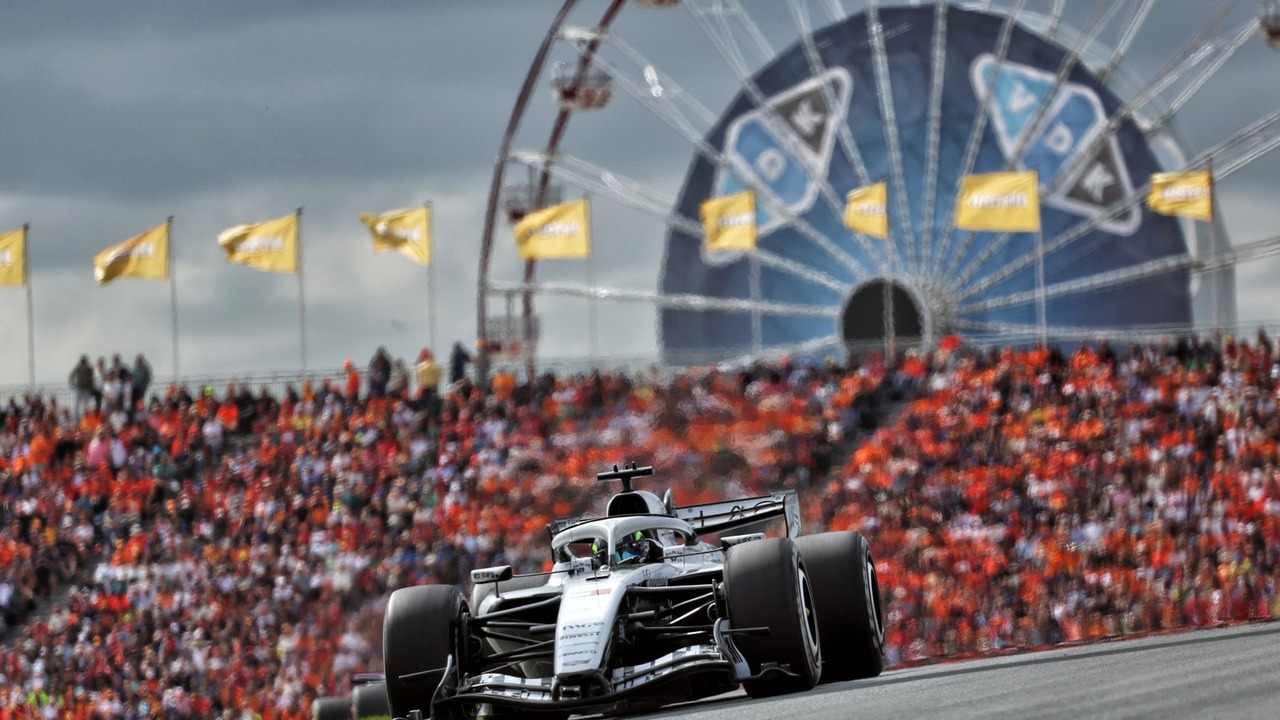
The rear-wing fault was not confined to Bottas’s retirement. Perez had encountered the same hydraulic issue earlier in the weekend, giving Cadillac evidence from both cars. Engineers can compare when the pressure changed, how the system responded and whether the failure developed under the same conditions. That comparison should narrow the search before Monza. Monza will put different loads on the car. Its long straights reward low drag, while the chicanes demand stable braking and confident rear traction. Cadillac must first establish that the repaired hydraulic system can complete repeated high-speed runs. Only then can the team judge whether the useful balance found on Perez’s car transfers to Italy.
Perez recovered positions after a pit-lane start
Cadillac changed Perez’s setup after qualifying, so he started from the pit lane. He passed Bottas through an overcut after losing time behind the other Cadillac on the opening lap. Perez said the car showed stronger pace than the final position suggested. A Virtual Safety Car arrived at an unhelpful moment and reduced another strategy opportunity. His fastest lap was 1:17.523.
A rear wing has a direct effect on balance and straight-line performance. If its hydraulic control cannot operate correctly, the driver may lose predictable behaviour under braking or acceleration. Cadillac chose to stop Bottas rather than continue with an unsafe or unreliable system.
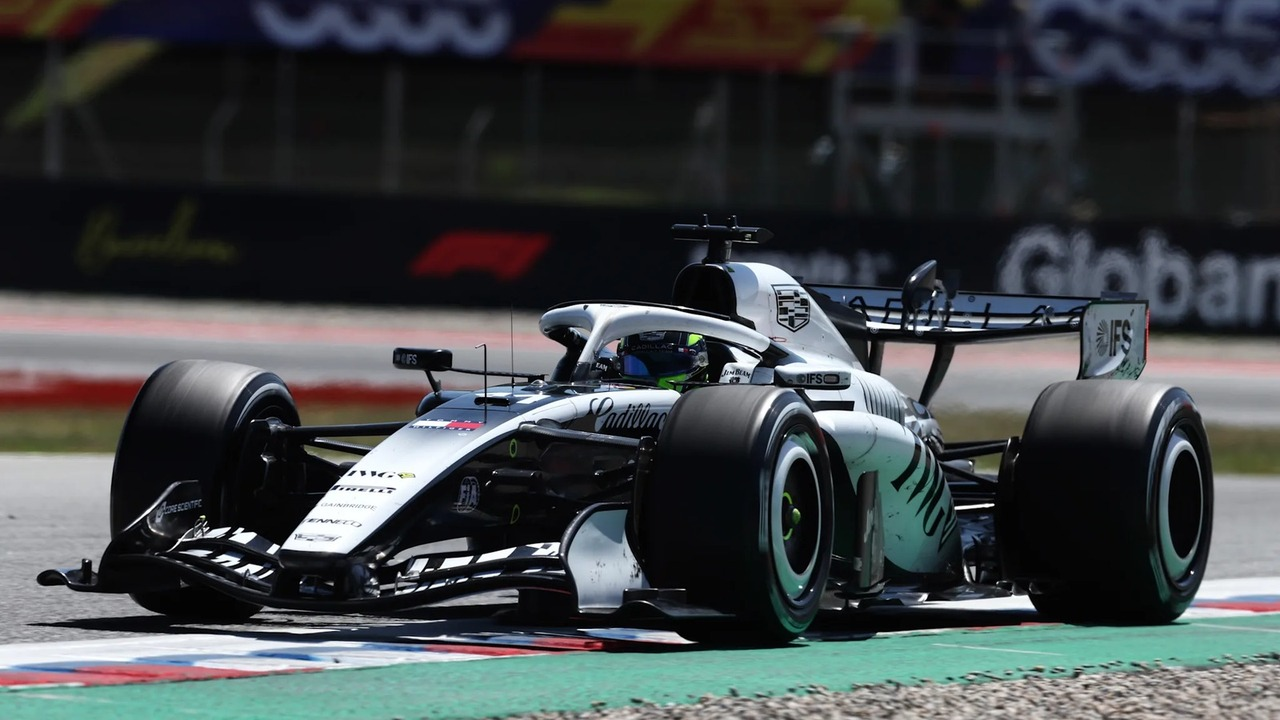
His retirement therefore reflects a specific component problem, not a general description of poor pace. Budkowski’s assessment kept the two tasks separate. Cadillac needs more speed to fight closer to the top ten, and it needs reliability to convert any improvement into a finish. Zandvoort provided evidence in both areas: Perez completed the race with encouraging periods, while Bottas lost the chance to finish because of the rear-wing system.
| Racing Driver | Starting Position | Finishing Position | Fastest Lap |
|---|---|---|---|
| Sergio Perez | Pit Lane | 15th | 1:17.523 |
| Valtteri Bottas | 20th | Retired From The Race | 1:17.822 |
Monza is the next test for the repair
The Italian Grand Prix follows on 4-6 September. Cadillac now has to confirm why the hydraulic system affected the rear wing on both cars during the Dutch weekend. Zandvoort still supplied useful race data, but the completed result was 15th place and one retirement. The team remains without the points it was seeking from the event.
Perez’s pit-lane start created a separate experiment. Setup changes after qualifying removed his grid position but allowed the team to use a different configuration in the race. He completed 72 laps and moved to 15th, which supplied a full-distance reference. The result remained outside the points, yet it gave Cadillac information that Bottas’s shortened race could not provide.
The race report separates pace from reliability
Perez completed all 72 laps and finished ahead of the Williams cars after starting behind the field. Bottas said his first stint kept him close to Williams before the second stint produced less useful pace. Budkowski described the race as a weekend of complex decisions in changing conditions. His final assessment named both areas still requiring work: outright pace and reliability.
The Virtual Safety Car affected Perez because neutralised laps can change the value of a planned stop. A strategy that works under normal racing may lose its advantage when the field travels at a controlled speed. Perez still recorded the quicker Cadillac lap, but one fastest-lap figure does not describe the entire stint or the time lost in traffic.
No Comments