
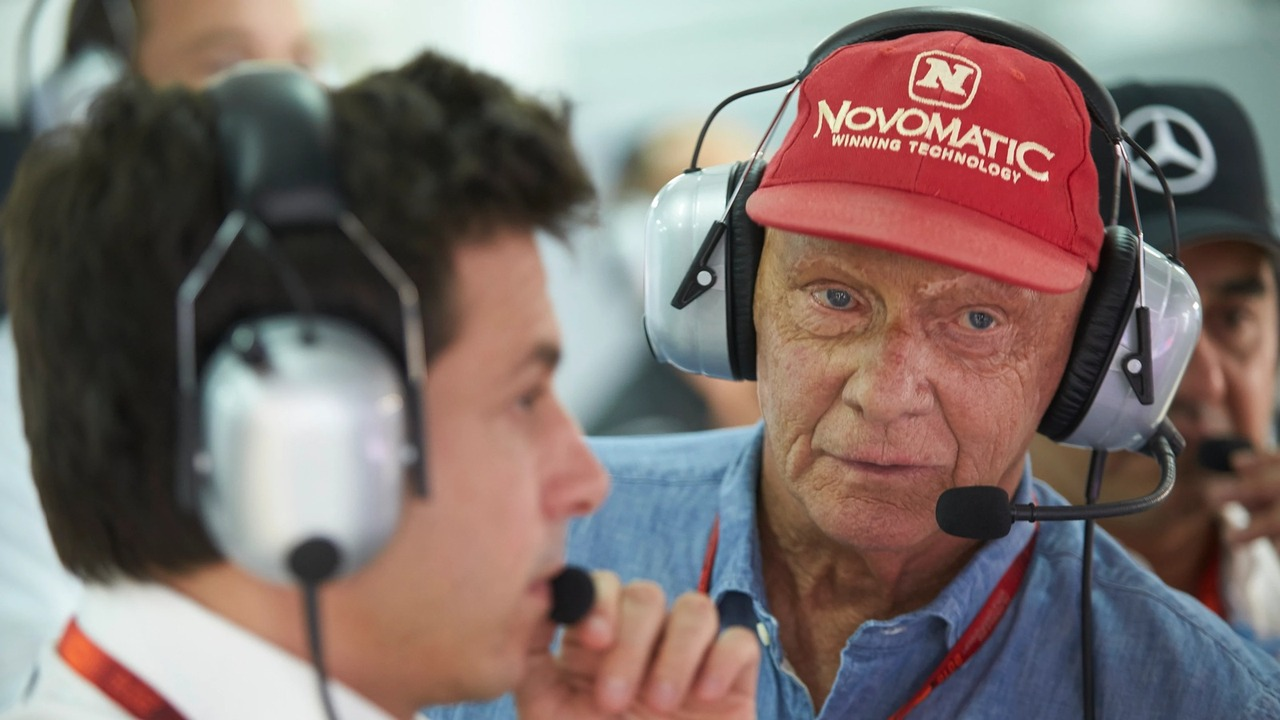
The careers range from Niki Lauda’s airline businesses to Alex Zanardi’s Paralympic success. Other former drivers entered food production, public office, music and art.
Niki Lauda carried his ambition into aviation
Niki Lauda did not wait until his racing story was over before entering aviation. He established Lauda Air in 1979, returned to Formula 1 with McLaren and later won a third World Championship. After his final retirement from driving, airlines became a major part of his business life alongside later senior work in the paddock.
The two careers required different expertise, but both demanded decisions under pressure and responsibility for large organisations. Lauda’s record shows why a driver’s life after racing cannot always be described as retirement. He left the cockpit, yet continued to build companies and later helped shape Mercedes from a management position.
Paolo Barilla and Carlos Reutemann entered established public worlds
Paolo Barilla had a shorter Formula 1 career, but he had already won the 24 Hours of Le Mans before leaving top-level racing. He joined the family food company and became deputy chairman of the Barilla Group. The two parts of his career met again when the company became a Formula 1 partner in 2025.
Carlos Reutemann moved from a long Grand Prix career into politics in Argentina. He served as governor of Santa Fe in two separate periods and later represented the province in the national Senate. His public role lasted far longer than a race weekend and placed him in decisions that had nothing to do with car setup or championship points.
Alex Ribeiro and Jaime Alguersuari followed personal interests
Alex Ribeiro’s Christian faith was visible during his racing years and became central to his later work. He supported athletes through a faith-based organisation and served as a chaplain around Brazil’s national football team. He also returned to the Formula 1 environment as a Medical Car driver, combining service work with his knowledge of motorsport.
Jaime Alguersuari took a creative path. He had produced electronic music while racing and later concentrated on it under the name Squire. Releasing records and performing as a DJ gave him a new professional identity after his time with Toro Rosso and later appearances in other racing categories had ended.
Jody Scheckter and Jacques Villeneuve changed pace
World Champion Jody Scheckter first developed a technology business after Formula 1 and later established a large farm in Hampshire. The operation focused on natural and biodynamic methods and kept several kinds of livestock. It was a long-term project built far from the travel and noise of a Grand Prix season.
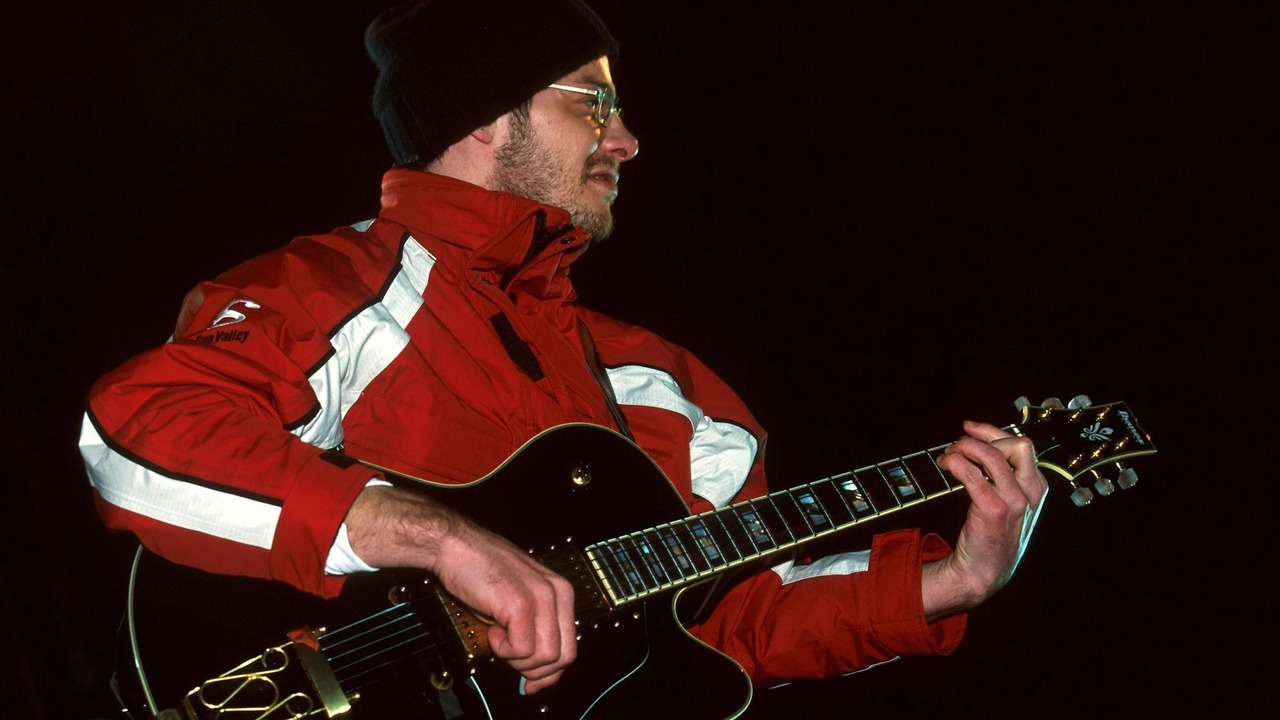
Jacques Villeneuve pursued music after completing the main part of his racing career. The 1997 World Champion released an acoustic album with songs in French and English and wrote several tracks himself. The project did not match the scale of his results with Williams, but it showed a serious creative interest rather than a brief promotional appearance.
Alex Zanardi created the most demanding second sporting career
Alex Zanardi returned to competition after the 2001 accident in which he lost both legs. He raced again with adapted controls and then moved into handcycling. At the London 2012 Paralympic Games he won two individual gold medals and a team silver, before adding another two golds and a silver in Rio four years later.
Those results made him an elite athlete in a second sport. They should not be reduced to a simple Formula 1 comeback story because the training, equipment and competition were different. Zanardi built a complete Paralympic career and collected six medals across two Games before his death in May 2026.
Art and the sea offered two more routes
Stefan Johansson began painting while he was still an active driver and gave the work more attention after racing. His art often kept a connection to speed and machinery, including abstract interpretations and design projects. The career joined experience from Ferrari, McLaren, IndyCar and Le Mans with a different visual language.
Innes Ireland returned to Scotland and worked with fishing boats after a career that included Lotus’s first World Championship Grand Prix victory. Operating and refitting trawlers required engineering knowledge and practical judgment, but the environment was entirely different.
The list shows that leaving the grid is not one kind of ending
Some former drivers remained close to Formula 1 through management, broadcasting or ambassador work.
These stories do not claim that driving automatically prepares a person for every second career.
No Comments