
Mercedes asked George Russell to let Kimi Antonelli pass on lap 65 of the Dutch Grand Prix. Antonelli had fresher tyres after stopping during a Virtual Safety Car period, while Russell had stayed on track.
Antonelli finished second and Russell finished third. Team principal Toto Wolff said the order gave Mercedes the best chance to protect both podium places from the two Ferrari cars.
The tyre difference created the decision
Antonelli had been second before the Virtual Safety Car. He used the slower period to change tyres and returned in third place behind Russell. His newer tyres gave him a better chance to follow Lando Norris. Russell had track position but less grip. Mercedes could have allowed the drivers to fight, but that would have cost time and brought Lewis Hamilton and Charles Leclerc closer.
The team therefore asked Russell to move aside. The instruction was not about choosing a permanent first driver. It was a short decision based on tyre condition and the positions of the cars behind them.
Russell followed the order and defended third place
Russell was unhappy when he first heard the message. He warned that the switch could put the second podium place at risk because both Ferraris were approaching quickly. Russell followed the instruction despite his concern. Antonelli moved into second, while Russell focused on keeping Hamilton behind. The gap was small at the finish, but Russell completed the task and kept third place.
The result showed why an instruction to swap positions can be uncomfortable even when it works.
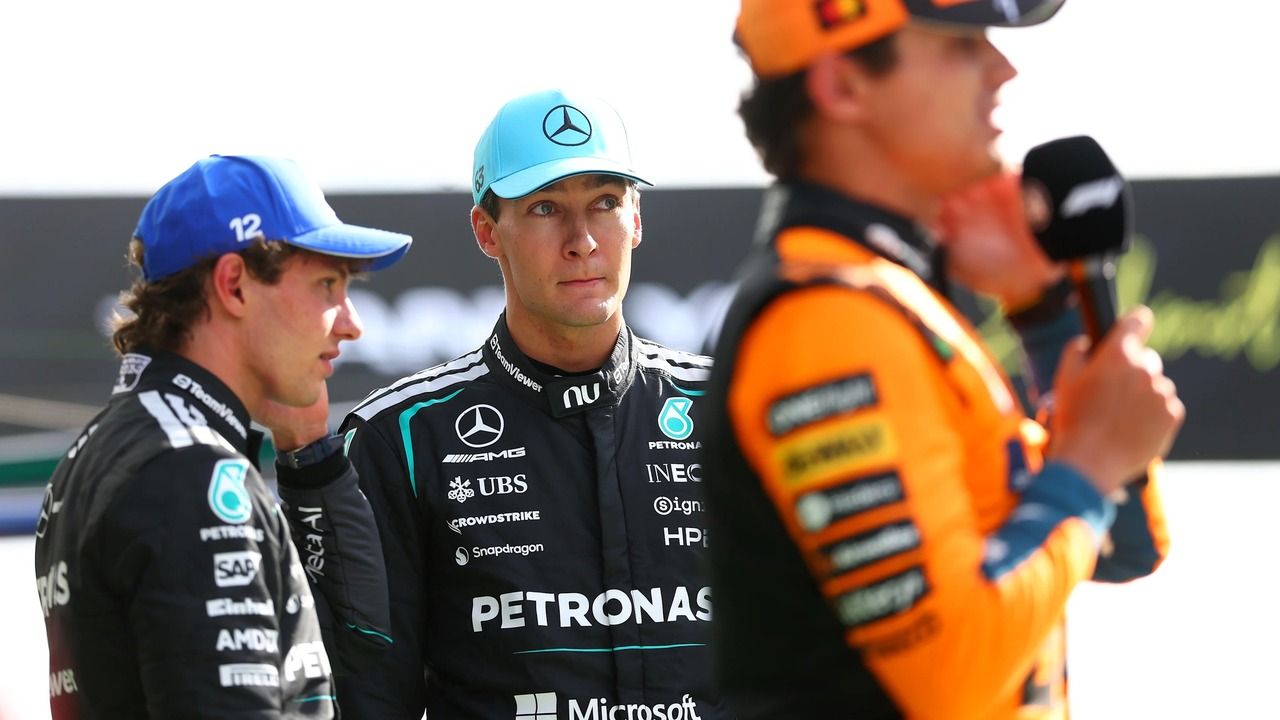
One driver gives up a place, and the team cannot know whether the following cars will attack successfully.
| Racing driver | Final place | Main race decision |
|---|---|---|
| Kimi Antonelli | Second | Changed to fresher tyres |
| George Russell | Third | Did not make a pit stop and later let Antonelli move ahead |
| Lewis Hamilton | Fourth | Finished behind both Mercedes cars |
| Charles Leclerc | Fifth | Finished behind Hamilton |
Mercedes gained more points than Ferrari
Antonelli and Russell collected points for second and third place. Hamilton finished fourth and Leclerc finished fifth, so Mercedes gained ground on Ferrari during the race. Wolff called the switch a logical consequence of the earlier strategy. He also admitted that Mercedes expected stronger pace on the hard tyres. The team could not challenge Norris as closely as planned after moving to that compound.
The double podium still gave the engineers a positive result from a difficult race. Both cars stayed in the points during restarts, strategy changes and late pressure.
The team needs clear rules before the next close race
A driver accepts a difficult order more easily when the policy is known before the start. Mercedes said the drivers had discussed this type of situation during the morning meeting. The next close race may create a different answer. Track position, tyre age and the gap to rivals must all be considered again. The Zandvoort decision worked because Antonelli kept second and Russell protected third.
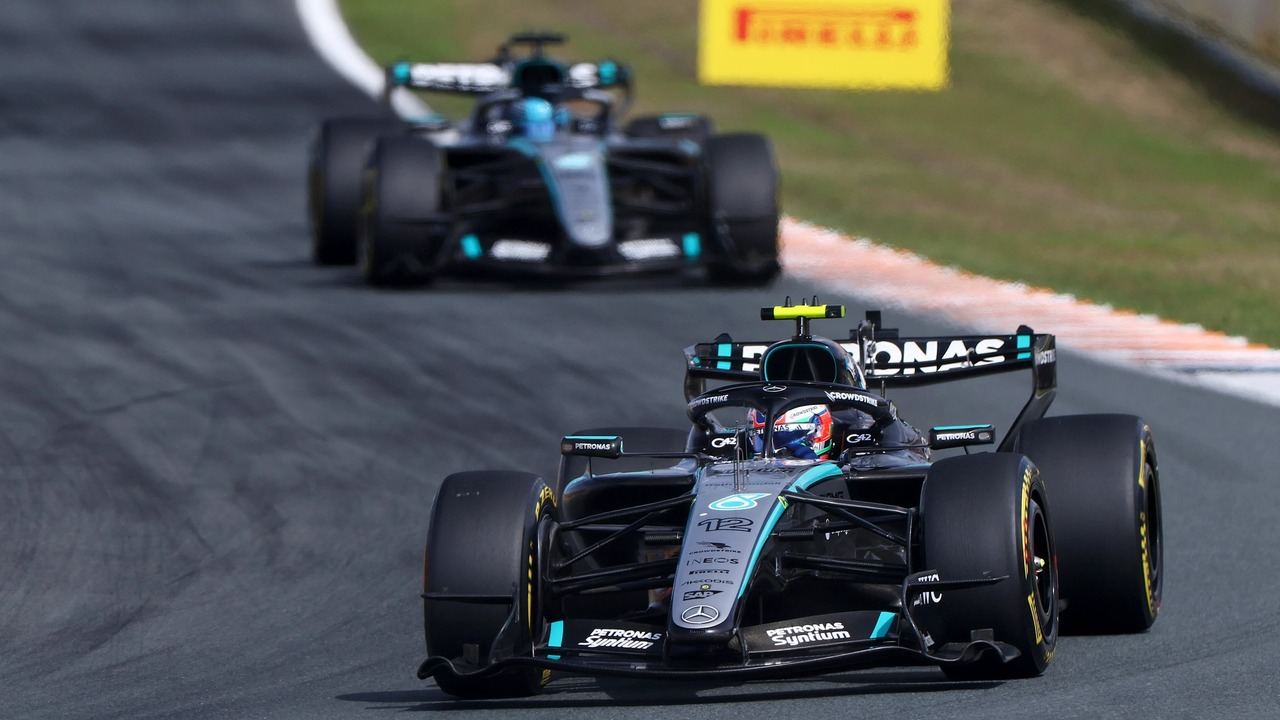
Mercedes can now review the timing of the message and the information given to both drivers. Clear communication will remain important when its cars are close together near the end of a race.
The order depended on information from both cars
The engineers could see tyre age, lap times and the closing speed of the Ferrari drivers. Russell and Antonelli could feel the grip inside their own cars, but neither driver had the same complete view of the race. Mercedes had to send the message early enough for Antonelli to use the fresher tyres. A late switch would have removed the reason for the order while still leaving Russell unhappy about losing the position.
The team also needed a plan if Antonelli failed to stay ahead. Clear rules for returning a place can prevent a difficult discussion during the final lap. In Zandvoort, that extra step was not required because both drivers finished on the podium.
Mercedes based the switch on the pace shown on track
The order was not decided only by the drivers’ positions. Mercedes compared tyre condition, lap time and the gap to the cars behind. Antonelli had enough pace to try an attack, while Russell could still remain close if the move did not work.
A late switch also needs a clear plan for the final laps. The team must tell both drivers when to change places and whether the original order will return. Short instructions reduce the risk of two team cars fighting in the same braking zone.
Both drivers reached the podium, so Mercedes protected the team result. The review will now focus on whether the timing gave Antonelli a fair chance without placing Russell’s position under unnecessary pressure.

No Comments