
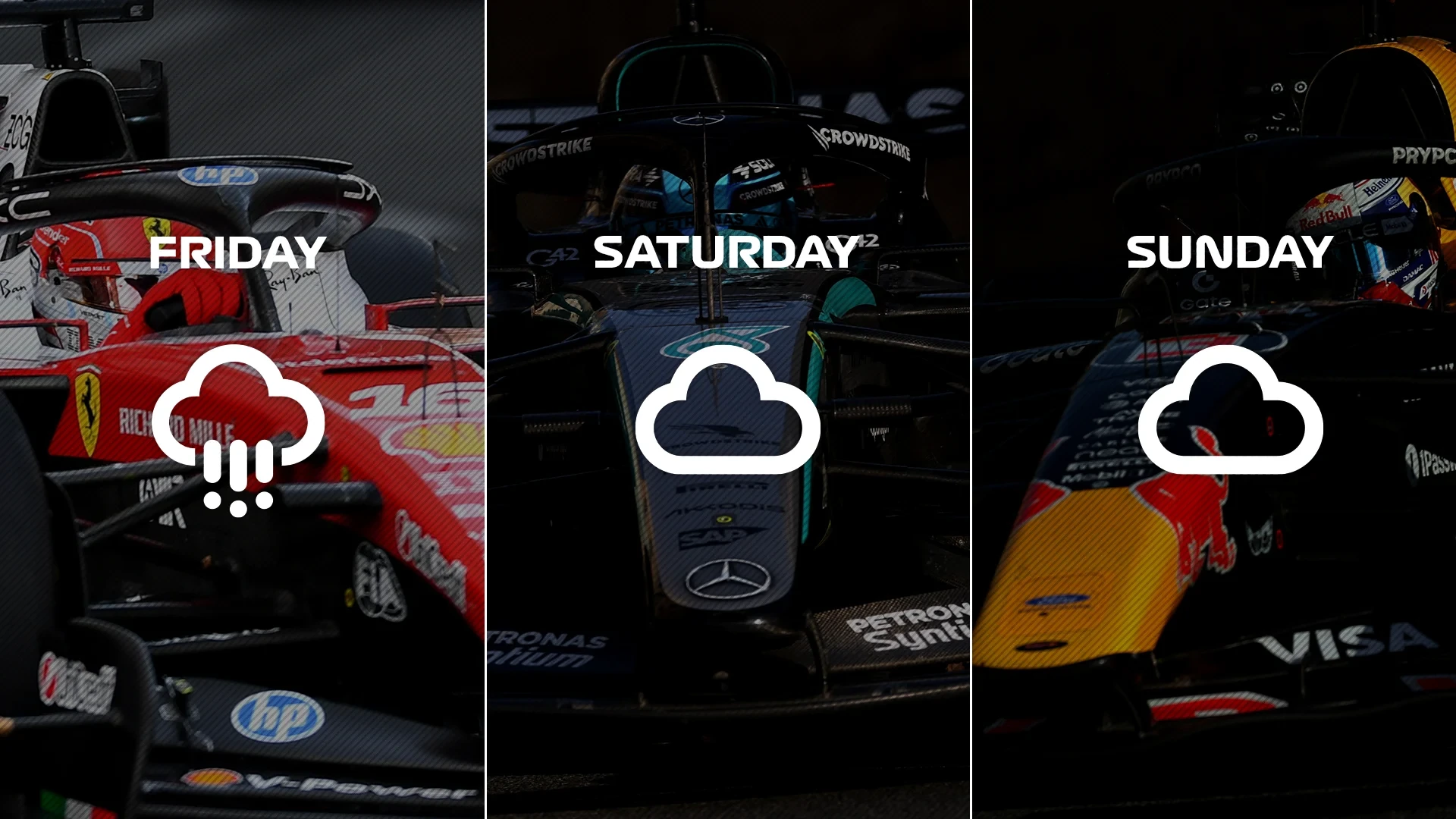
Formula 1’s return to Sepang is expected to bring heat, high humidity and possible rain on every day of the Bahrain Grand Prix weekend in Malaysia. The rain probability is 50% on Friday, 40% on Saturday and 30% on Sunday. Air temperatures should reach about 31-32 degrees Celsius. These conditions affect more than tyre choices because drivers must also manage body temperature, concentration and visibility.
High humidity makes every long run harder for the driver
High humidity limits the body’s ability to cool itself through sweat. The driver is also surrounded by heat from the power unit and wears several fire-resistant layers inside the cockpit. Hydration must begin before the session because drinking only after thirst appears cannot restore concentration immediately. Teams monitor fluid intake and body weight to estimate how much each driver loses during a run.
Physical strain can change driving technique. A tired driver may grip the steering wheel too tightly, breathe less regularly or fail to notice a small loss of grip. Those mistakes can raise tyre temperature and make the next circuit even harder. A controlled practice run therefore requires steady breathing and repeatable steering and pedal inputs, not only a target time on the dashboard.
The track surface may reach 54 degrees Celsius
Friday’s track surface may approach 54 degrees Celsius. This heat can give the tyres strong grip at first and then cause overheating through long corners and repeated acceleration. The driver must recognize the change before the time loss becomes large. Even a small slide adds more heat and moves the tyre farther away from its best operating range.
Drivers can use slower cooling circuits during practice, but that option is more limited in the race. The team may need to adjust pace, differential settings or the gap to the car ahead. Turbulent air reduces downforce and cooling at the same time. Following another car closely for several circuits can therefore harm both the tyre plan and the temperatures inside the car.
| Session day | Forecast rain chance |
|---|---|
| Friday practice | 50% |
| Saturday qualifying | 40% |
| Sunday race | 30% |
| Peak air temperature | About 31-32 C |
| Driver challenge | Heat, humidity, visibility and rapid grip changes |
Rain may fall on only one part of the circuit
Sepang’s weather can change quickly and affect different areas at different times. Rain at one end of the circuit does not mean that every corner is ready for intermediate tyres. Drivers must report the grip in each sector while engineers compare radar information with sector times. A pit call based only on the view from the garage may be too early for one area and too late for another.
Drivers need patience when the surface first becomes wet. Painted lines, kerbs and the usual dry racing line can become more slippery than the surrounding asphalt. Moving away from that line may improve grip, but it can also lead toward standing water or debris. The best route may change several times before the rain becomes steady, so the normal dry reference is no longer enough.
Spray may reduce visibility before the tyres lose grip
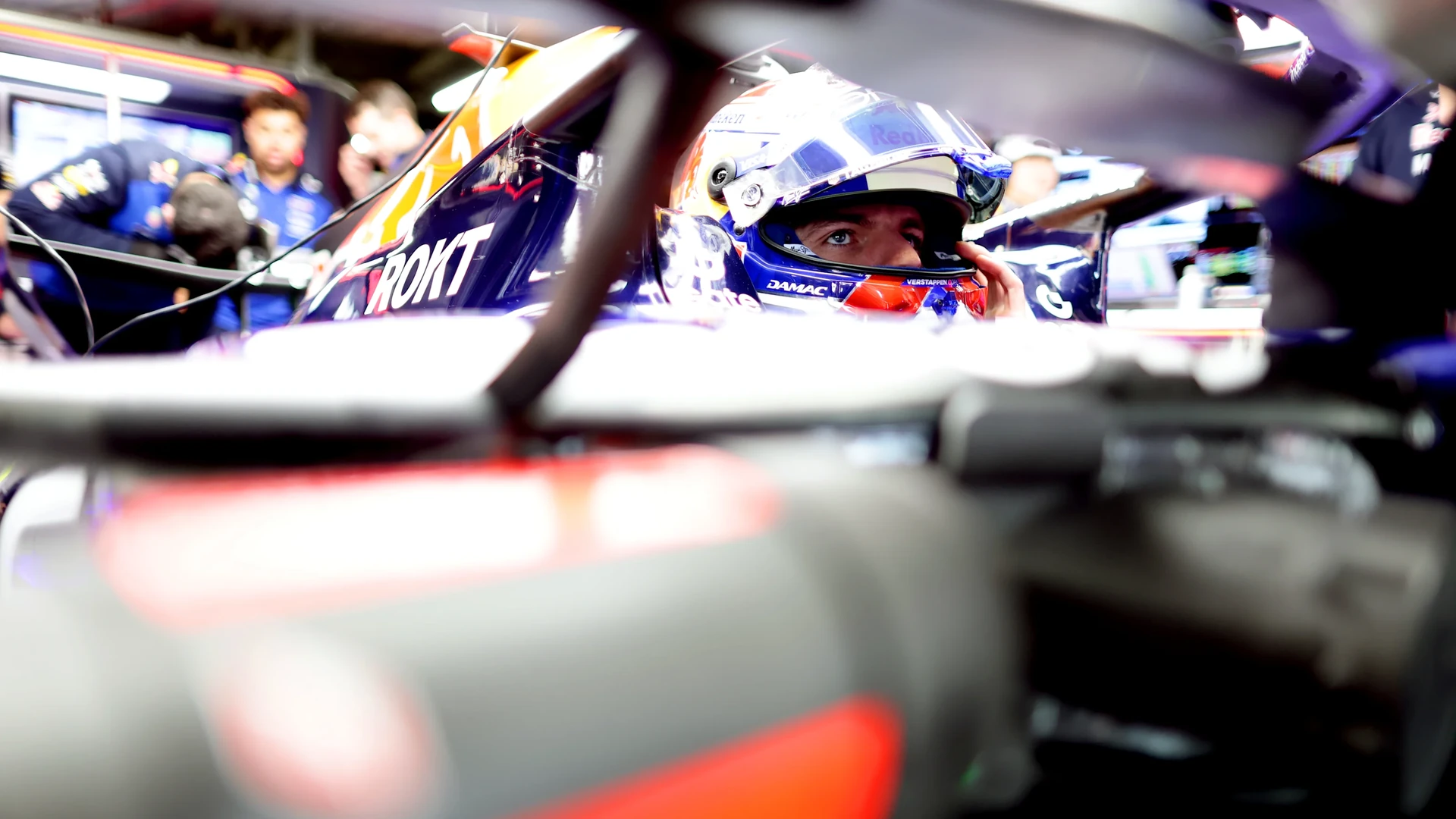
Water spray from the cars can hide braking points and the vehicle ahead even when the tyres still have enough contact with the surface. A driver approaching slower traffic receives information from flags, the steering display and the radio, but none of those tools replaces a clear view and a safe distance. Closing speed must be reduced before the spray becomes too dense.
Race control may stop or delay a session when drivers can no longer see well enough to react safely. Teams should not build a strategy that requires many uninterrupted wet circuits. A stoppage changes tyre temperatures and may turn an intermediate-tyre restart into a full-wet decision. Good preparation covers several restart conditions instead of assuming that the weather will change in a smooth and predictable way.
Recovery between sessions also affects performance
Friday contains two practice sessions, and the short period between them must restore both the driver and the car. Cooling clothing, fluids, food and quiet review time help the athlete return with clear attention. Engineers also need direct feedback. Naming the corner, phase and end of the car that caused a problem is more useful than a long general description.
The changing sky will receive plenty of attention at Sepang, but clear driver feedback connects the weather to the car’s behaviour. A driver must separate heat-related fatigue from a real balance problem. That distinction can prevent the team from making the wrong setup change. Weather may determine which tyre is required, but the driver and engineers still decide when and how to use it.

No Comments