
McLaren team principal Andrea Stella has explained one technical reason behind Oscar Piastri’s uneven 2026 form. Piastri is losing small amounts of time when grip is low and the car demands frequent corrections.
The issue was visible at Zandvoort, where Piastri finished sixth while team-mate Lando Norris won. Stella said Piastri still processes some adjustments consciously instead of making them by instinct.
Low grip makes Piastri correct the car more often
A Formula One car changes as fuel burns, tyres wear and wind moves across the circuit. On a low-grip surface, the driver often needs to alter braking pressure, steering input and throttle timing within the same corner. Stella believes Piastri can make those changes, but the process is not yet automatic. A conscious correction takes only a fraction of a second. Several such moments across a lap can create a visible gap to a team-mate.
The explanation does not point to one major driving error. It describes a collection of small losses. Piastri can still produce strong laps, especially when the car behaves in a stable and predictable way.
Zandvoort exposed the weakness on the hard tyre
Piastri had difficulty bringing his second set of hard tyres into the correct temperature range. The car did not provide the grip he expected, and his pace failed to improve enough during the final part of the race. A slow pit stop also placed him behind George Russell. That loss of position forced Piastri to spend time in another car’s disturbed air.
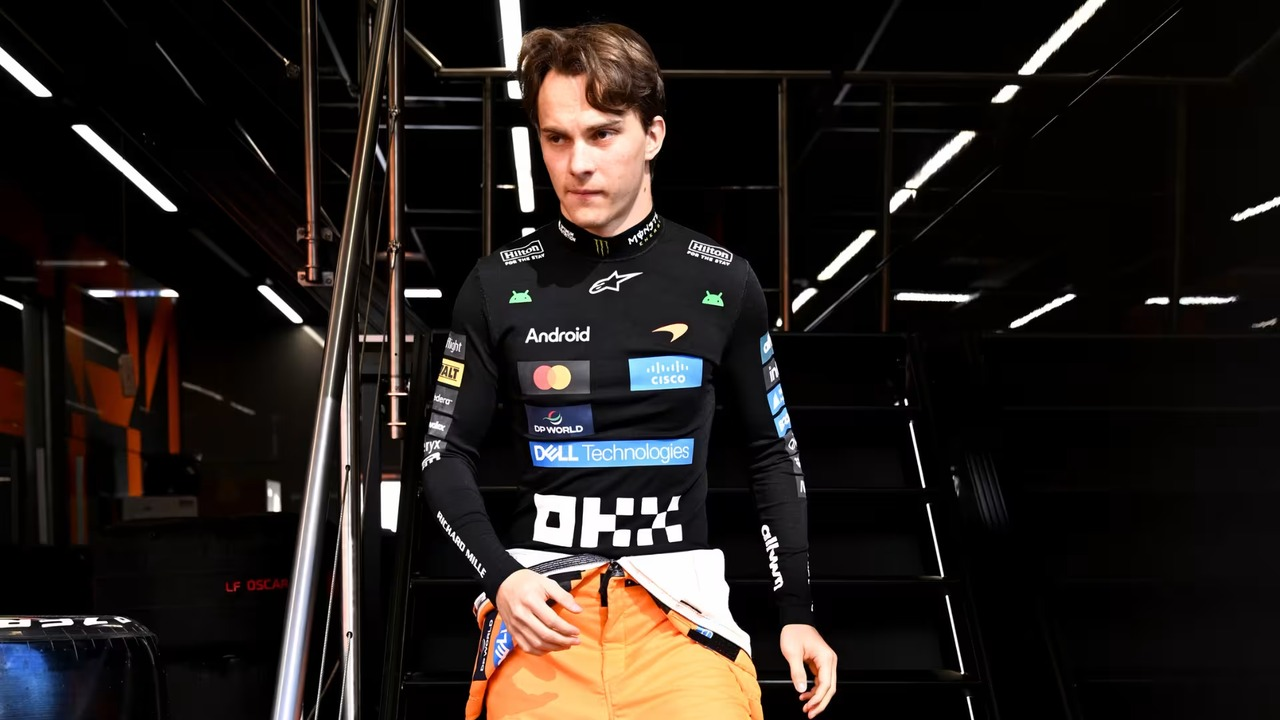
The hard tyres then had less chance to reach their best condition.
Norris faced the same circuit but found a more effective rhythm. The comparison gave McLaren detailed data because both drivers used the same basic machinery in the same conditions.
| Problem at Zandvoort | Result for Piastri |
|---|---|
| Low tyre grip | He often adjusted the steering and throttle |
| Longer than planned pit stop | He returned to the track behind George Russell |
| Second set of hard tyres | The tyres provided less grip than expected |
| Race result | Finished in sixth place |
Piastri has two podiums but no victory in the current season
Piastri has reached the podium twice in 2026, yet he has not won a Grand Prix for a year. Those results show that his basic speed remains strong, while the missing victories reflect the difficulty of joining every part of a weekend. Qualifying position, tyre preparation and race traffic can each change the outcome. A driver may lose only a tenth of a second in one area, but that difference can place another car between the two McLarens on the grid.
Stella’s comments place the focus on adaptation rather than confidence. The team is studying how Piastri reads grip and how engineering information can help him reach the required response sooner.
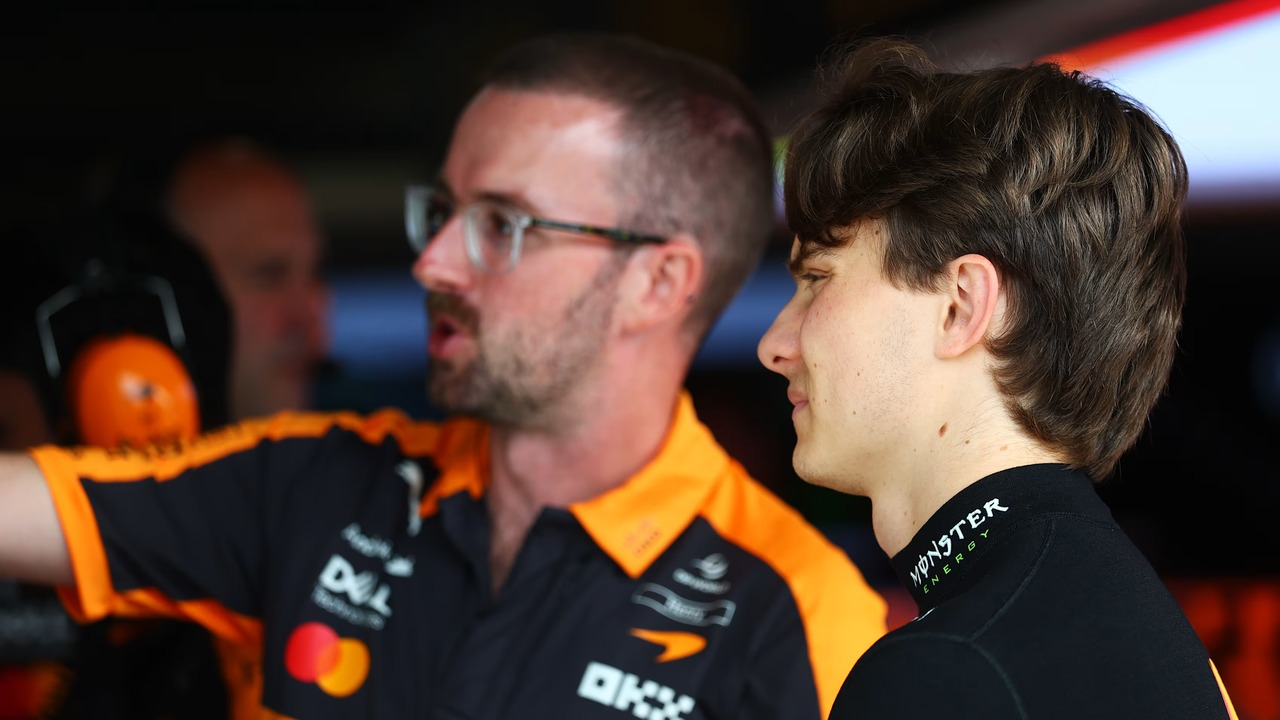
Stella says Piastri has already improved in low-grip conditions
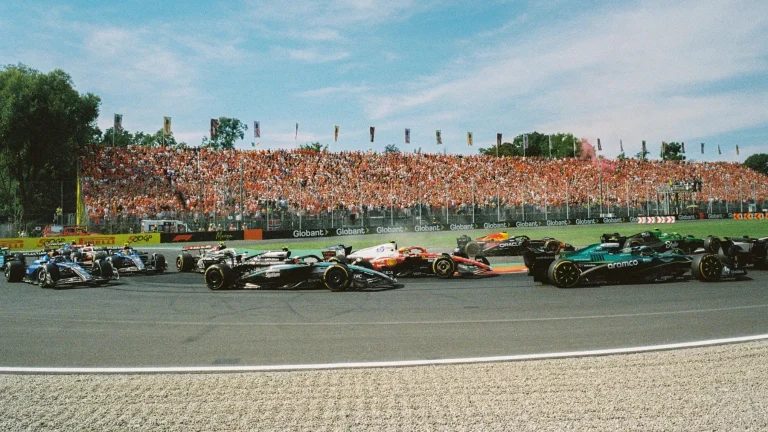
Monza will provide a different challenge with heavy braking and lower downforce. The car will move more under braking, but the long straights reduce the number of linked medium-speed corners found at Zandvoort. McLaren will use repeated practice runs to measure how quickly grip arrives. The engineers will also compare the car’s balance at different fuel levels.
Stella said Piastri has improved in this area during the season. McLaren is using practice data and driver feedback to help those responses become faster and more natural.
McLaren is comparing the same corners across several sessions
The engineers can compare steering, braking and throttle data from both McLaren cars. Those measurements show where Piastri makes an extra correction. They also show whether the difference appears on a new tyre or after several laps. The comparison gives the team a precise record of the low-grip problem.
No Comments