
Fernando Alonso finished ninth in the Dutch Grand Prix after Aston Martin changed from a normal two-stop plan to an unusual one-stop strategy. The result brought two points from a weekend that began with both cars near the back of the grid.
Alonso started nineteenth after a difficult qualifying session. He moved forward by keeping his first set of tyres longer than most rivals. The plan gave him open track when other drivers stopped and allowed the updated Aston Martin to show its improved corner speed.
Alonso started nineteenth and chose a different strategy
Aston Martin entered the weekend with new aerodynamic parts and an updated Honda power unit. The Sprint format reduced practice time, so the team had fewer laps to find the best setup. Alonso started the Sprint from the pit lane after making changes and used that race to gather information. Qualifying still left him in nineteenth position. A normal strategy would have placed the car in traffic for much of Sunday. Alonso believed that the AMR26 was faster in corners than several nearby cars but slower on the straights, which made passing difficult.
The team therefore looked for clear air rather than an early stop. Alonso began on soft tyres after the restart and continued while many rivals entered the pits. His position improved as the field separated.
Alonso extended his first stint and needed only one pit stop
Alonso reached eighth place before making his only stop on lap 34. The late visit to the pits dropped him to thirteenth, but it also gave him a simple task for the rest of the race: protect the hard tyres for 37 laps. No other driver completed the same effective one-stop plan.
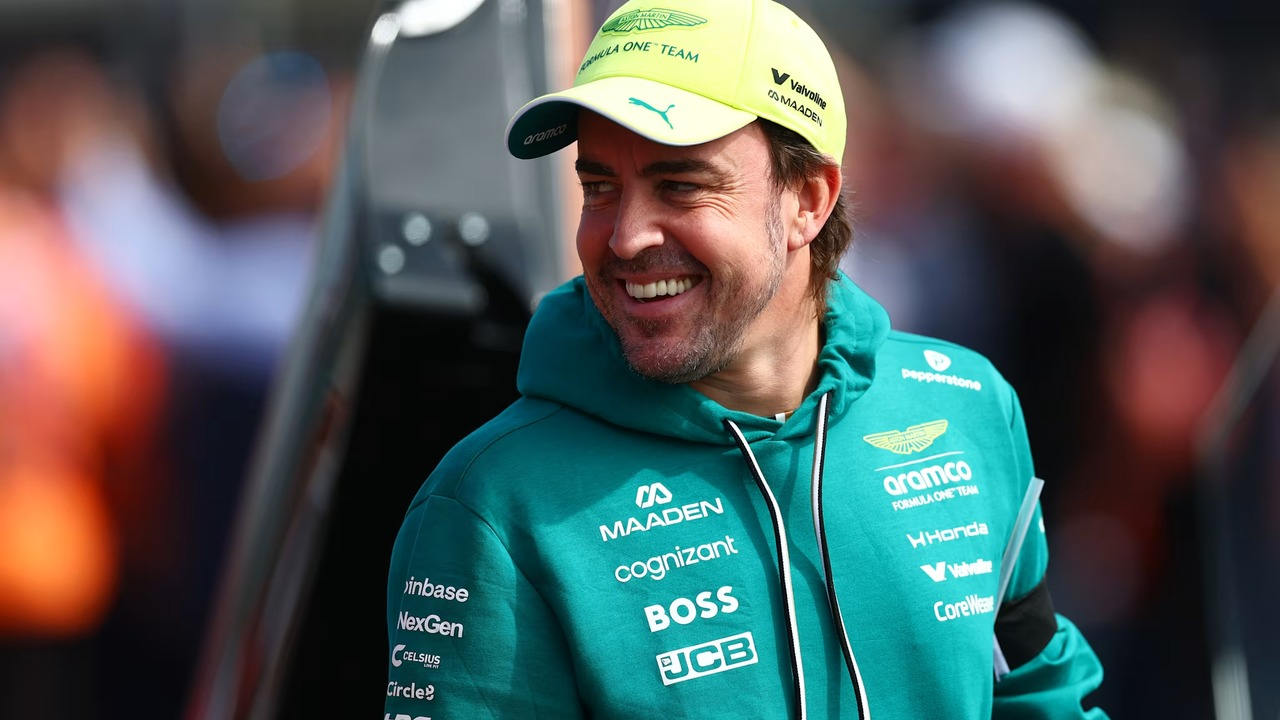
Most cars required another stop because the tyre wear and changing conditions made the long run difficult. Alonso managed his pace so that he still had enough grip in the closing laps.
Radio problems made the work harder. Contact between the driver and the pit wall was not always clear, so both sides had to keep messages short and make decisions with limited discussion.
| Race stage | Position or action | Purpose |
|---|---|---|
| Start | Nineteenth | Avoid early traffic |
| First stint | Stayed out until lap 34 | Gain clear track |
| Pit stop | Changed to hard tyres | Reach the finish |
| Final stint | Completed 37 laps | Finish in ninth place |
Alonso used every chance to earn two points
Alonso moved back into the top ten as drivers ahead stopped again or lost time. Max Verstappen’s retirement removed one leading car, but the Aston Martin still had to complete the distance without a mistake. Nico Hulkenberg was the only midfield driver to finish ahead of Alonso. Ninth place did not mean that Aston Martin suddenly had the sixth-fastest car. It showed that the team and driver used the available performance more effectively than several faster rivals.
The result also followed a useful step in Hungary. Aston Martin had introduced another group of changes there and then refined the setup during the break. The Zandvoort parts added more progress on the chassis side.
Monza will test Aston Martin’s speed on the straights
Alonso warned that Aston Martin still loses time on long straights. That weakness may become more visible at Monza, where straight-line speed is central to both lap time and overtaking.
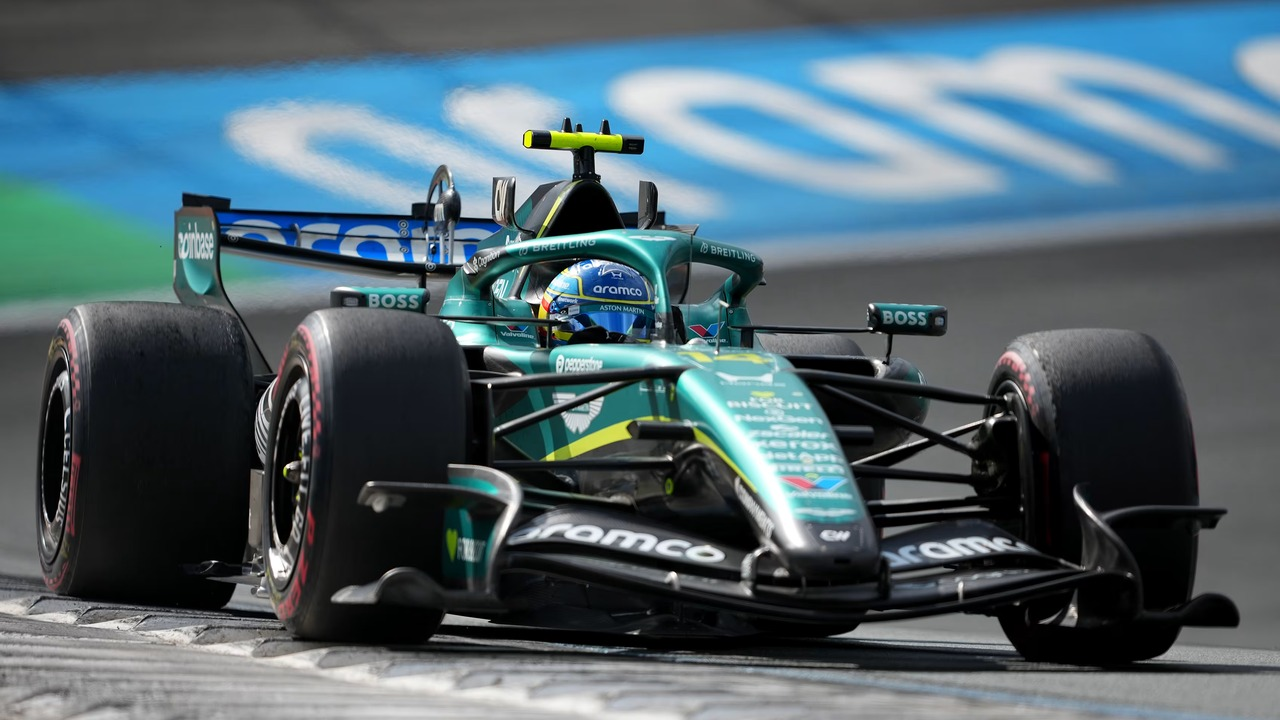
The team will study tyre temperatures, radio reliability and the balance of the updated car before Italy. A strategy that worked in the Netherlands may not suit a circuit with lower downforce and longer full-throttle sections.
Zandvoort still provided useful proof because the car could protect a hard tyre set for a long time. Alonso also created a result by leaving traffic at the right moment. Those two strengths turned a poor starting position into two points.
Alonso managed his pace for the final 37 laps
The final 37 laps were not a simple run to the flag. Alonso had to keep the hard tyres alive while cars on newer sets approached from behind. Driving too slowly would have invited an attack, but pushing every lap would have removed the grip before the finish.
Alonso made one pit stop and finished ninth
Ninth place showed that the longer stint worked.
No Comments